OpenAI wants to give the US government a piece of the company — but don't assume you'll get a slice too
OpenAI's reported proposal to give the US government a stake in the company raises questions about who should profit from AI.

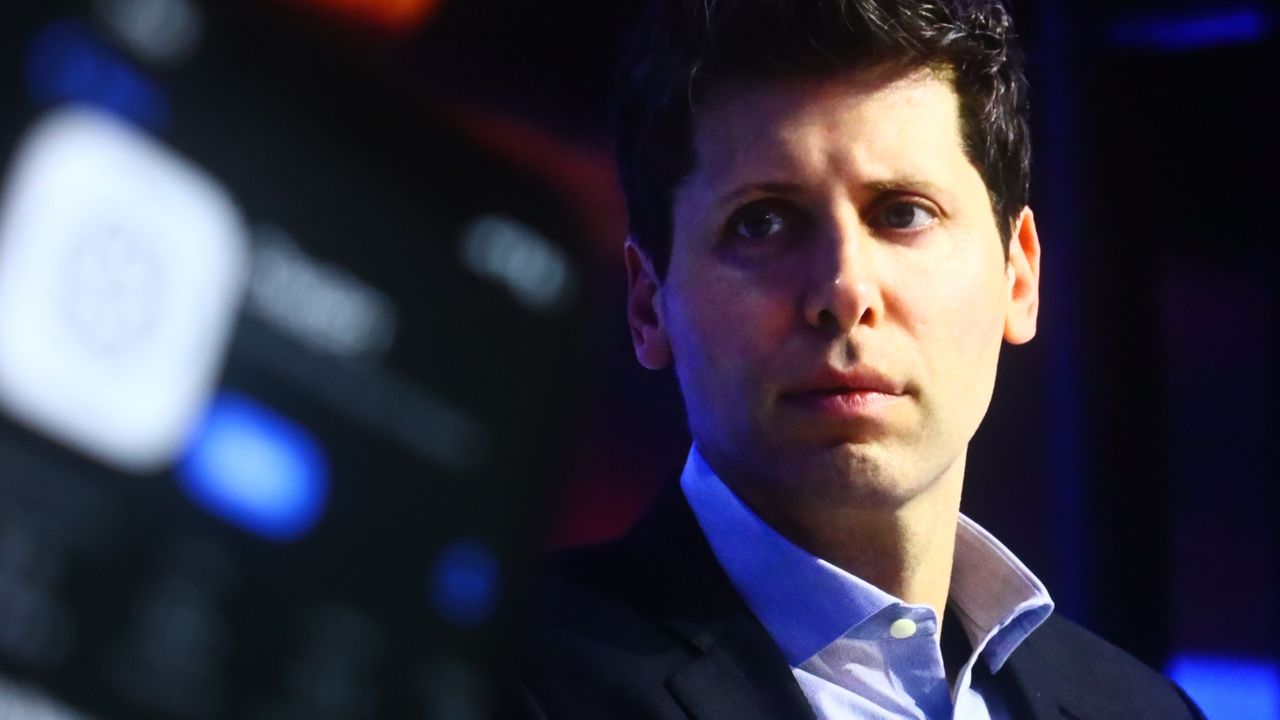
OpenAI has begun discussions about giving the US government a 5% stake in the company, according to an FT report, with CEO Sam Altman supposedly raising the idea as a method for smoothing relations with the Trump administration.
Of course, right now there is no agreement or deal, and no guarantee the idea will ever move beyond conversations. Any arrangement would almost certainly require political support and significant legal work before it could become reality. Still, the fact that OpenAI is even entertaining the conversation tells us something about how seriously artificial intelligence is now being treated, both in Silicon Valley and in Washington.
The first reaction many people had was understandable. If the government owns part of OpenAI, does that mean ordinary Americans somehow get a share too? It's an appealing thought when AI companies are attracting eye-watering valuations while promising to reshape the economy. Unfortunately, that's not exactly a likely outcome, no matter what the intentions.
AI economy access
The reports suggest Sam Altman has discussed a model inspired by Alaska's Permanent Fund, which invests state oil revenues and distributes annual payments to residents. It's an odd framing of AI as a natural resource instead of a software business. Bullish AI fans insisting it will be economically transformative might see it that way, and if they're right, perhaps some of that value should eventually flow back to the public, many of whom have helped incrementally train the models through use.
But the government owning shares in OpenAI wouldn't automatically translate into everyone getting a check. Financial benefits would depend on lots of little details, including whether profits were distributed at all, and if they'd go to public services or even the national debt over your own bank account.
Despite being just a hint of a rumor of a conversation, the questions are worth taking seriously. AI companies are asking society to embrace changes that could alter workplaces, education, healthcare, and entire industries. It is not unreasonable for people to wonder whether they should share in the wealth created by those changes.
Power at stake
There is another reason these discussions matter, and it may prove even more significant than the financial side. OpenAI has become part of a broader conversation about national economics and technological leadership. Governments around the world increasingly see advanced AI as strategic infrastructure rather than another consumer technology.
That helps explain why OpenAI might want a closer relationship with Washington. AI companies already rely on government decisions. Those connections are likely to become even more important as AI models grow larger and more expensive to build.
But governments are expected to regulate powerful companies fairly and independently. Becoming a shareholder in one of those companies could make that relationship look unethical, even with the best will in the world. Public trust often depends as much on appearances as on legal structures. Especially since there's even less sense that OpenAI's competitors like Google, Anthropic, or Meta will follow suit.
A government stake does not automatically mean the public owns part of OpenAI in any meaningful way, and it certainly does not guarantee anyone will personally benefit. So even if the proposal starts to become more real, skepticism and a close eye on any actual agreements is a healthy approach.
Share
What's Your Reaction?
 Like
0
Like
0
 Dislike
0
Dislike
0
 Love
0
Love
0
 Funny
0
Funny
0
 Angry
0
Angry
0
 Sad
0
Sad
0
 Wow
0
Wow
0