How far has iPhone photography come in 10 years? I compared the iPhone 7 and iPhone Air — and the results speak for themselves
I took the iPhone 7 and iPhone Air on a photo walk to see how far Apple's photography hardware has come in 10 years.

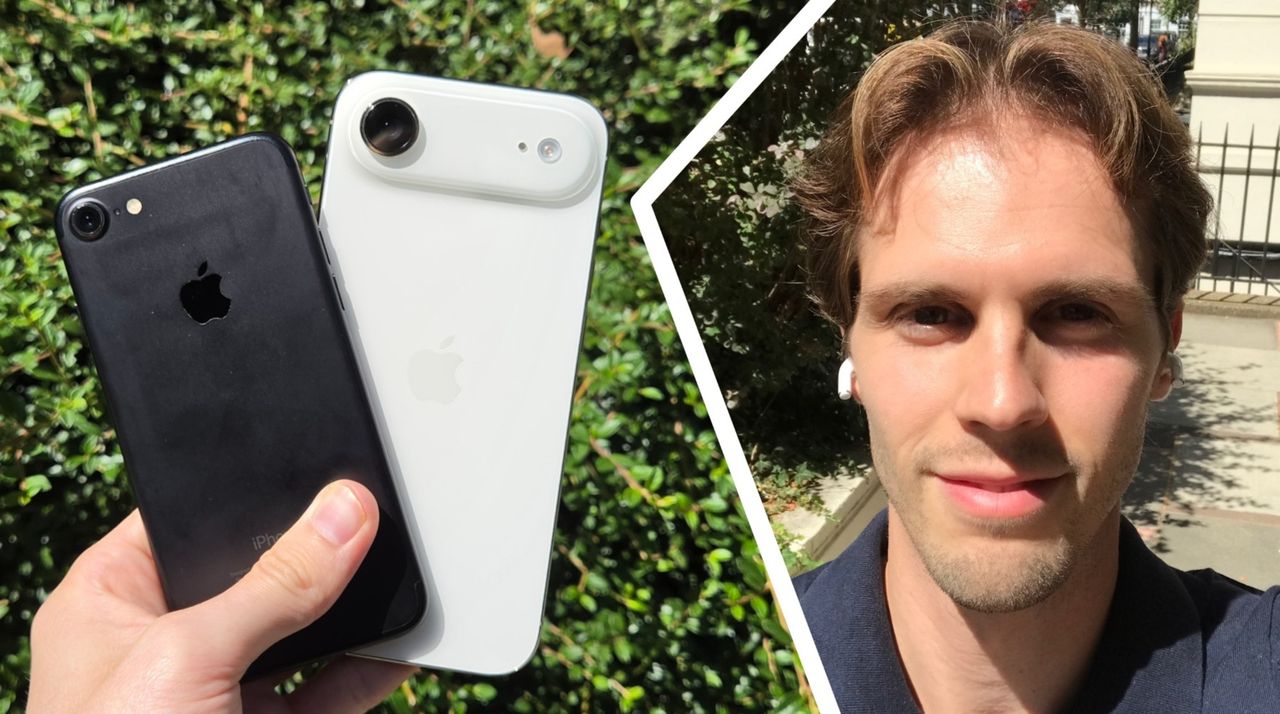
The iPhone 7 isn’t remembered as being a particularly important iPhone release, but it did represent several ‘firsts’ for Apple. It was the first iPhone to lose the traditional headphone jack, the first to boast IP67 water resistance, and the first to swap the mechanical Home button for a pressure-sensitive equivalent.
The iPhone 7 was also the first standard-sized iPhone to feature Optical Image Stabilization (OIS), which uses physical gyroscopes to counteract shake-induced blur, and has been a feature of every iPhone released since (that’s 35 models and counting).
Why am I writing about the iPhone 7? Because it arrived almost a decade ago — on September 16, 2016, to be precise — and because I came across TechRadar’s iPhone 7 review sample during a recent clearout of our office cupboard.
I’m currently using the iPhone Air — released on September 19, 2025 — as my daily phone, which is a similarly thin and lightweight iPhone with only one rear camera, and so I thought it would be fun (and nostalgic!) to compare the camera capabilities of these two devices to see how far Apple’s camera hardware has come in 10 years. The answer, as you can imagine, is 'very far'.
Specs
Before I jump into the side-by-side comparisons, here’s a table detailing the key camera specs of the iPhone 7 and iPhone Air:
iPhone 7 | iPhone Air | |
Rear camera: | 12MP, f/1.8, 28mm | 48MP, f/1.6, 26mm |
Front-facing camera: | 7MP, f/2.2, 32mm | 18MP, f/1.9, 20mm |
It's worth noting that the iPhone Air defaults to shooting in 24MP, rather than 48MP, via a 'Fusion' process that merges 12 high-dynamic-range pixels and 12 low-dynamic-range pixels into a single 24MP shot. You can choose to shoot in 48MP on new iPhones like the iPhone Air, but I stuck to the default option for this comparison.
Photo gallery
Right, onto the side-by-side photos. I took both phones on a walk around the neighborhood, comparing their wide-shooting capabilities, ability to capture color, digital zoom capabilities (neither device has a dedicated telephoto zoom), and low-light shooting capabilities.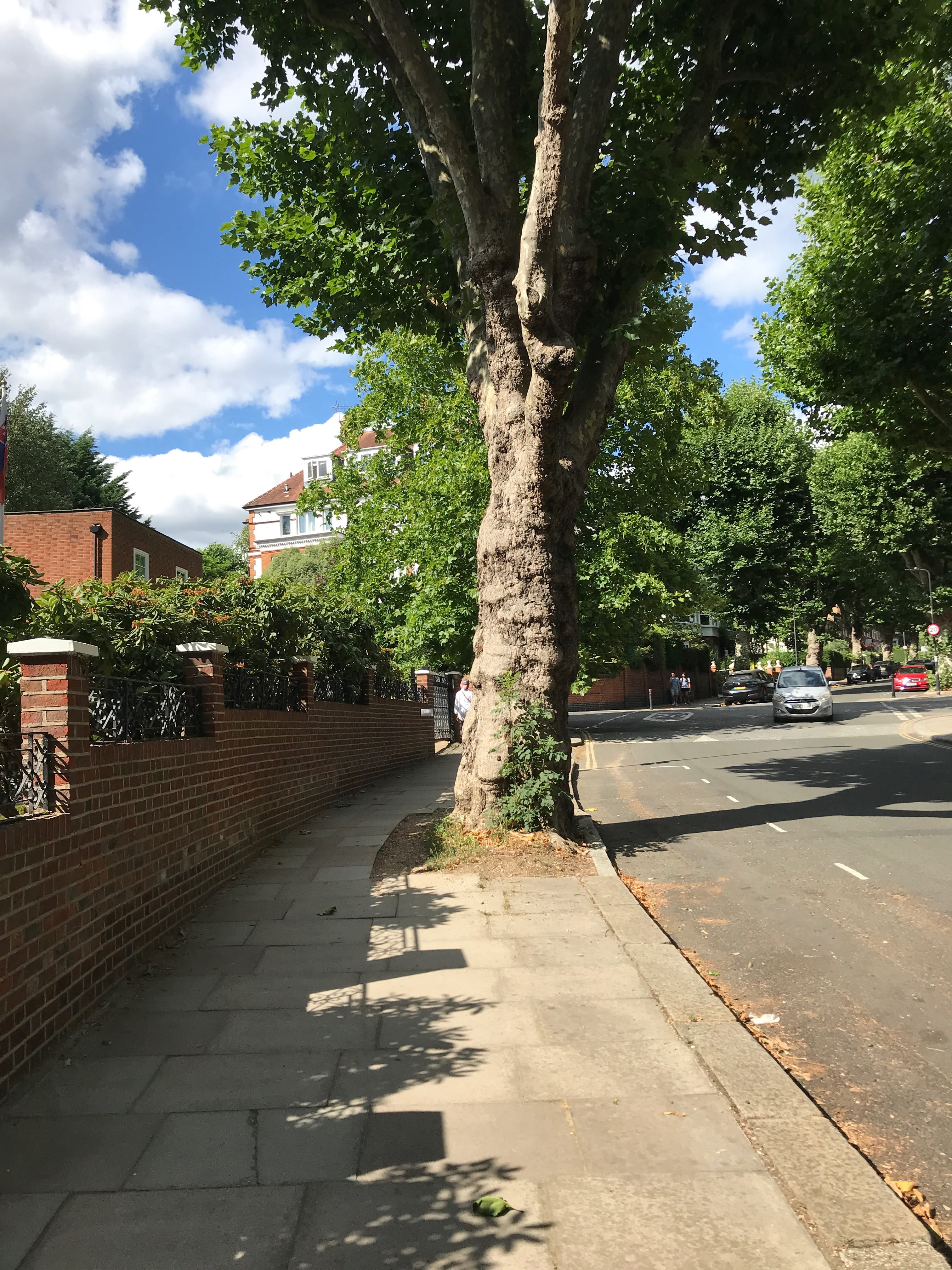
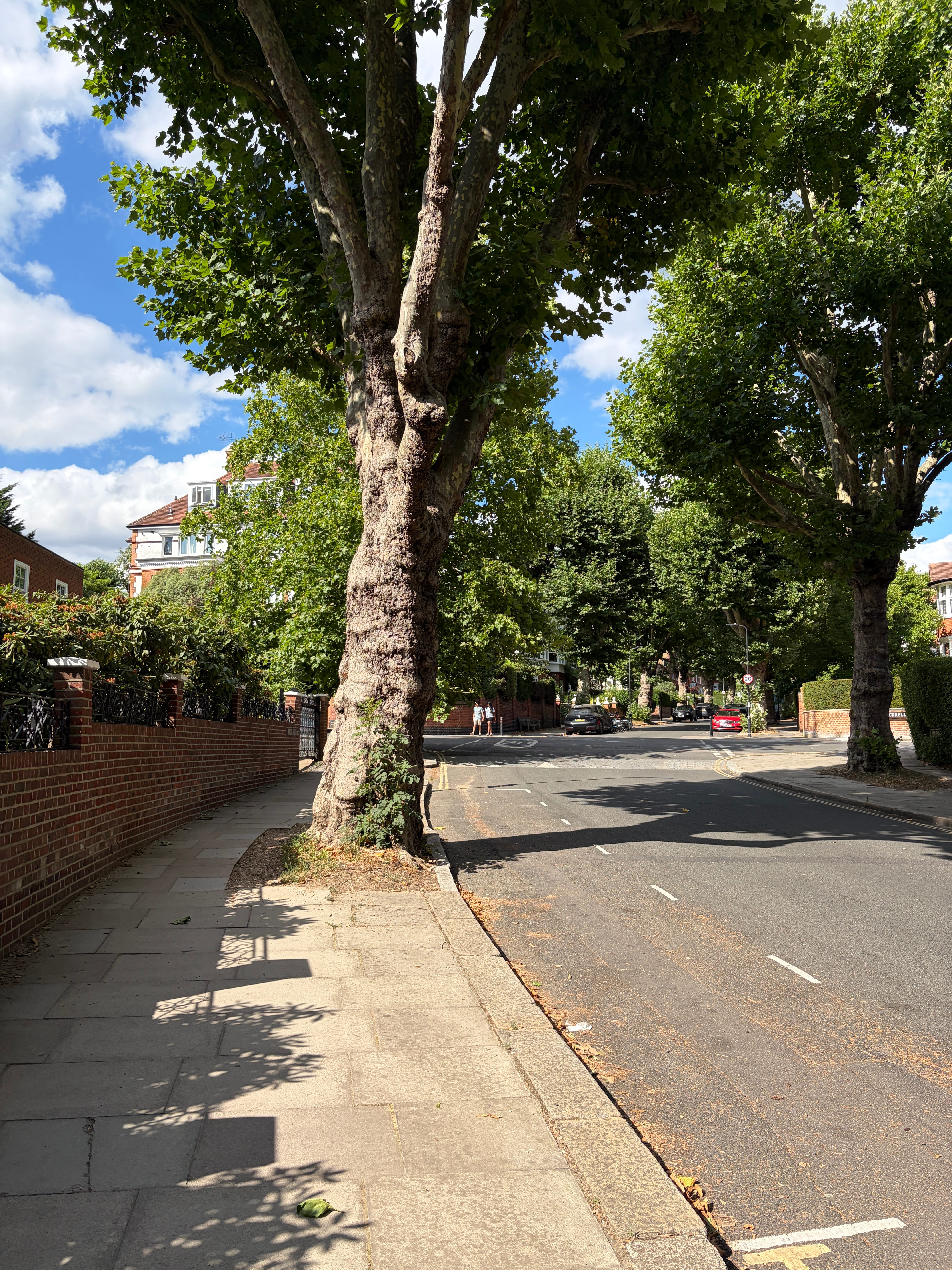
First shot: a tree on the sidewalk. This isn't a particularly demanding scenario, but at first glance, both phones appear to have captured a similarly detailed image. Apple's approach to color science doesn't appear to have changed all that much in 10 years, either (at least in this example — more on color science later).
If you zoom in, though, the iPhone Air's shot is clearly superior. Check out the detail on the property nameplate to the left of the tree, for instance, or the paving stones in the foreground. The iPhone 7 smears over details it can't capture, while the iPhone Air's sensor picks up lots more information. These are subtle differences, but the iPhone Air's shot is the better of the two.
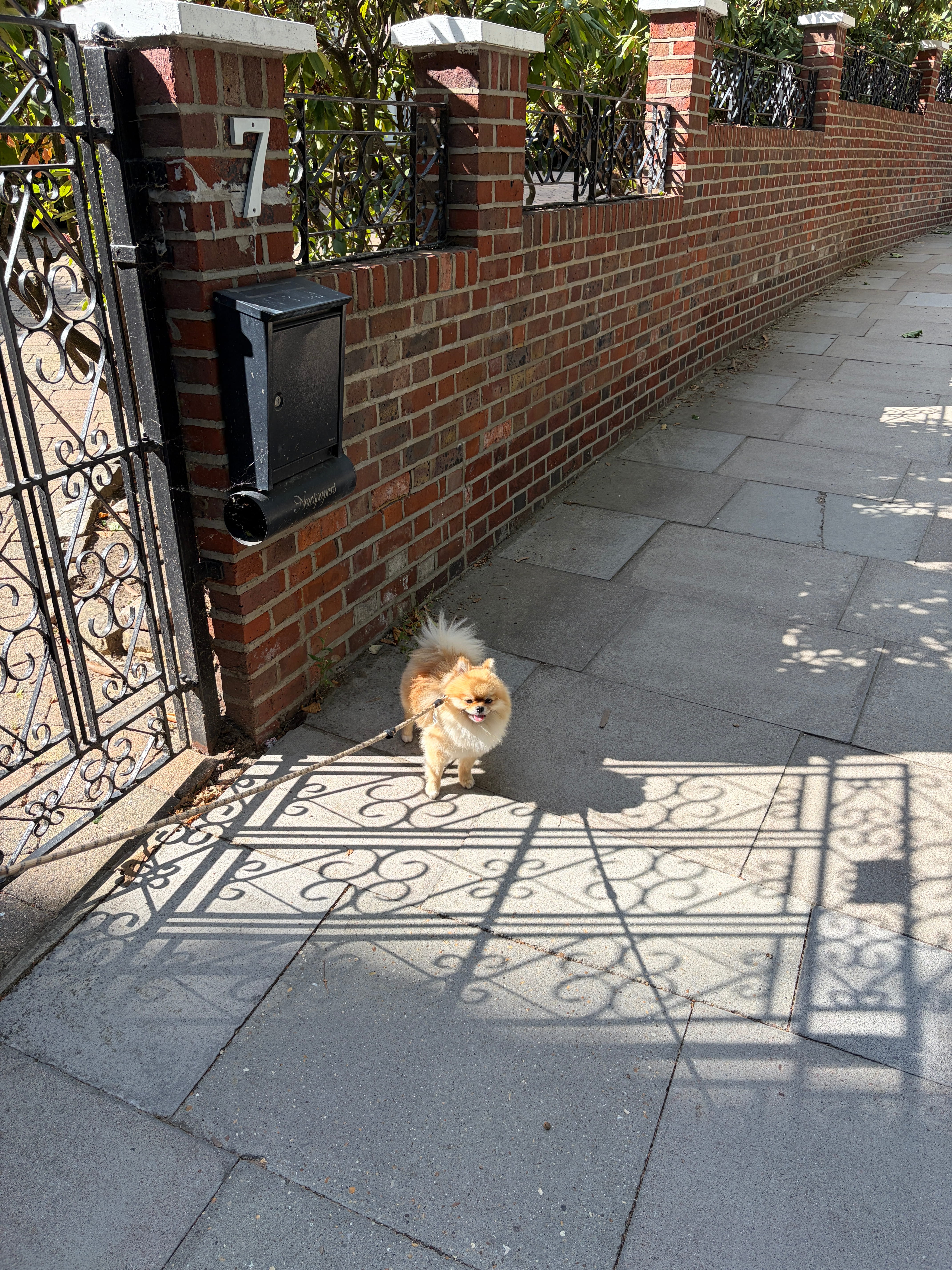
This is another example of subtle differences. The two images look similar at first glance, but the iPhone Air captures more brick, metal, and pavement detail than the iPhone 7. The dog is just as cute in both images, mind you.
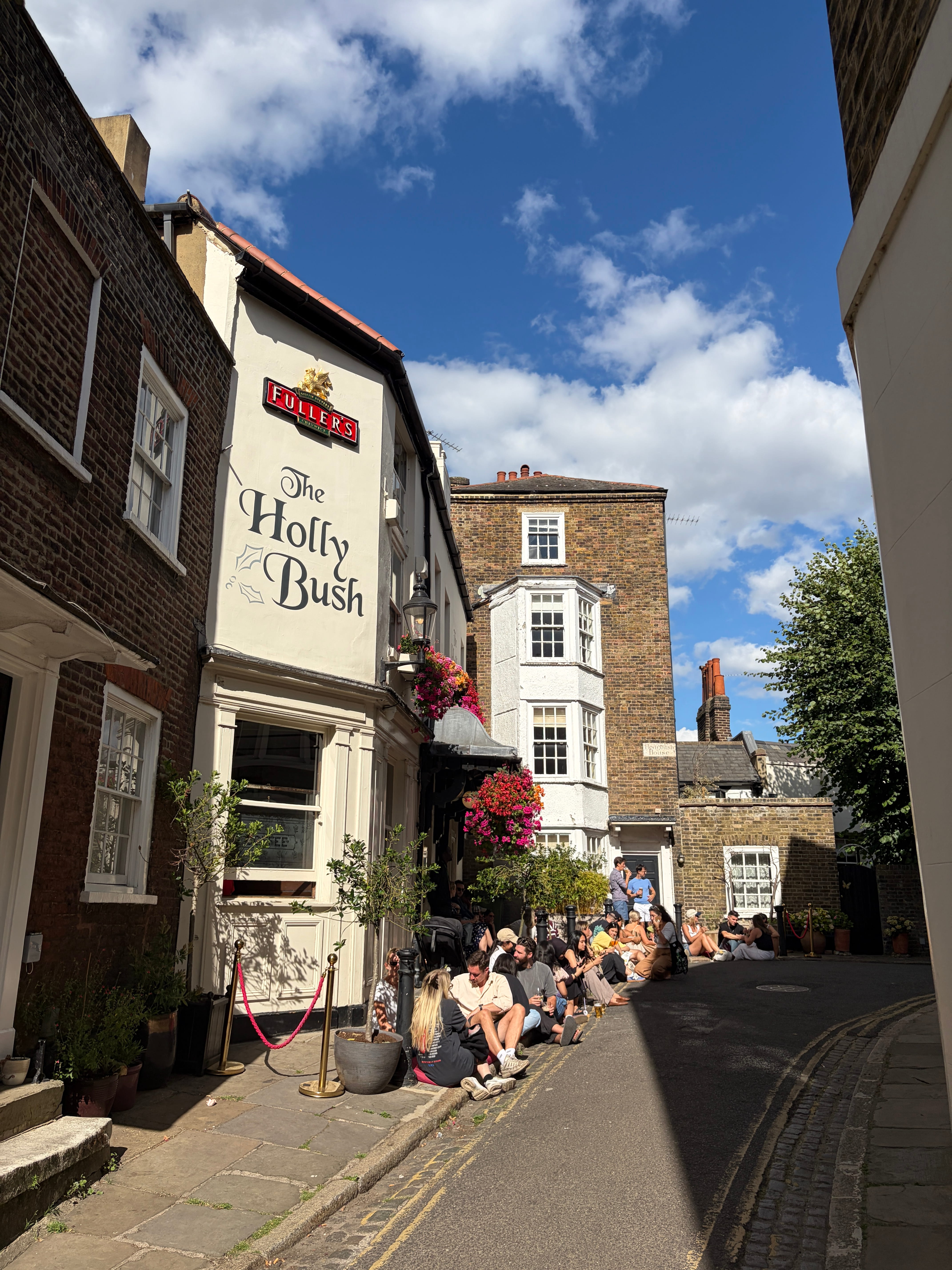
Pub time! Again, the iPhone 7 does a decent job here, but the detail and color of the main building are more real-looking in the iPhone Air's image. If you zoom in on the main Holly Bush logo or the Hollybush House sign, you'll notice the difference in clarity. The shadows in the latter photo are also more pronounced, which speaks to the iPhone Air's superior dynamic range.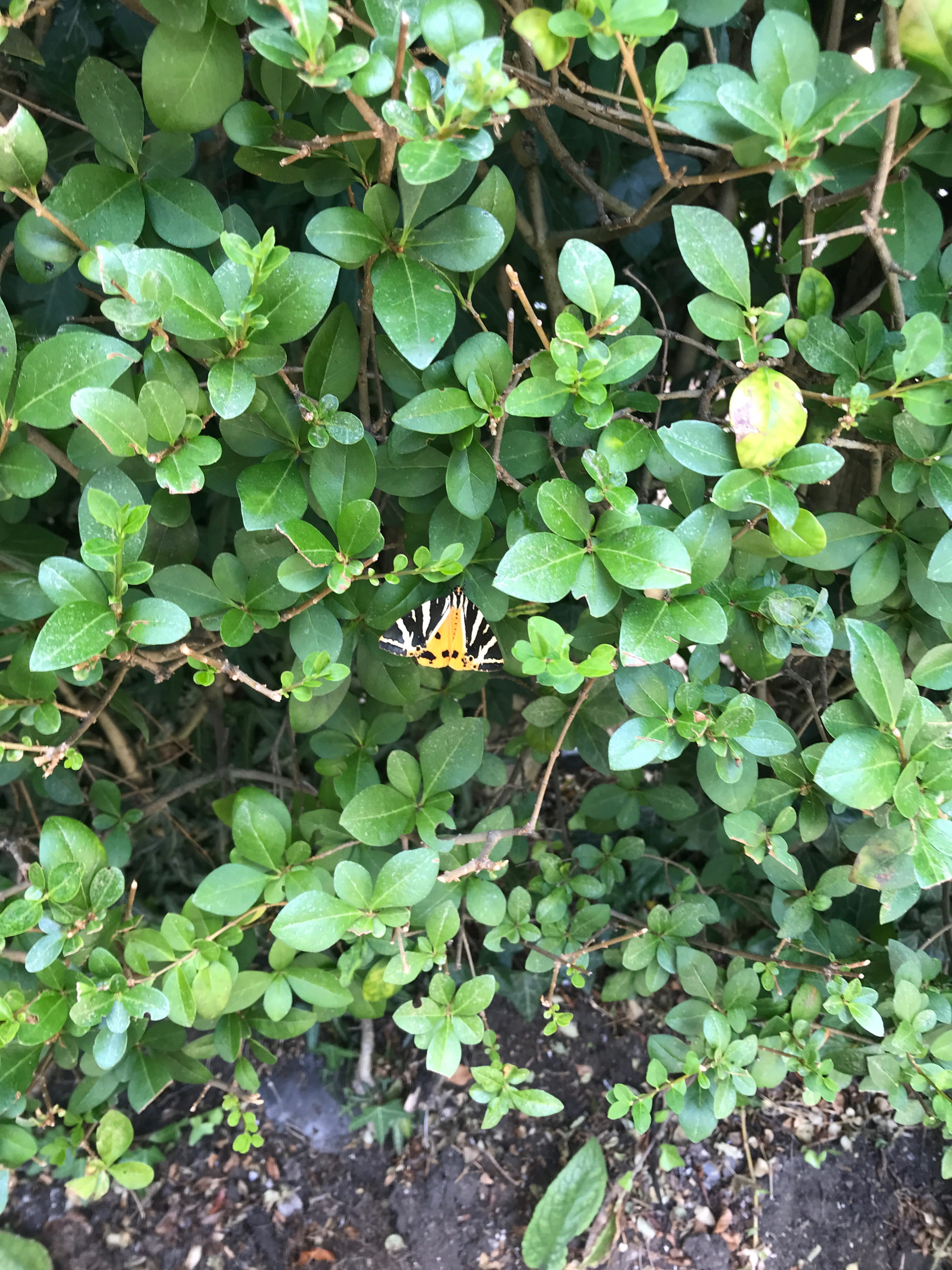
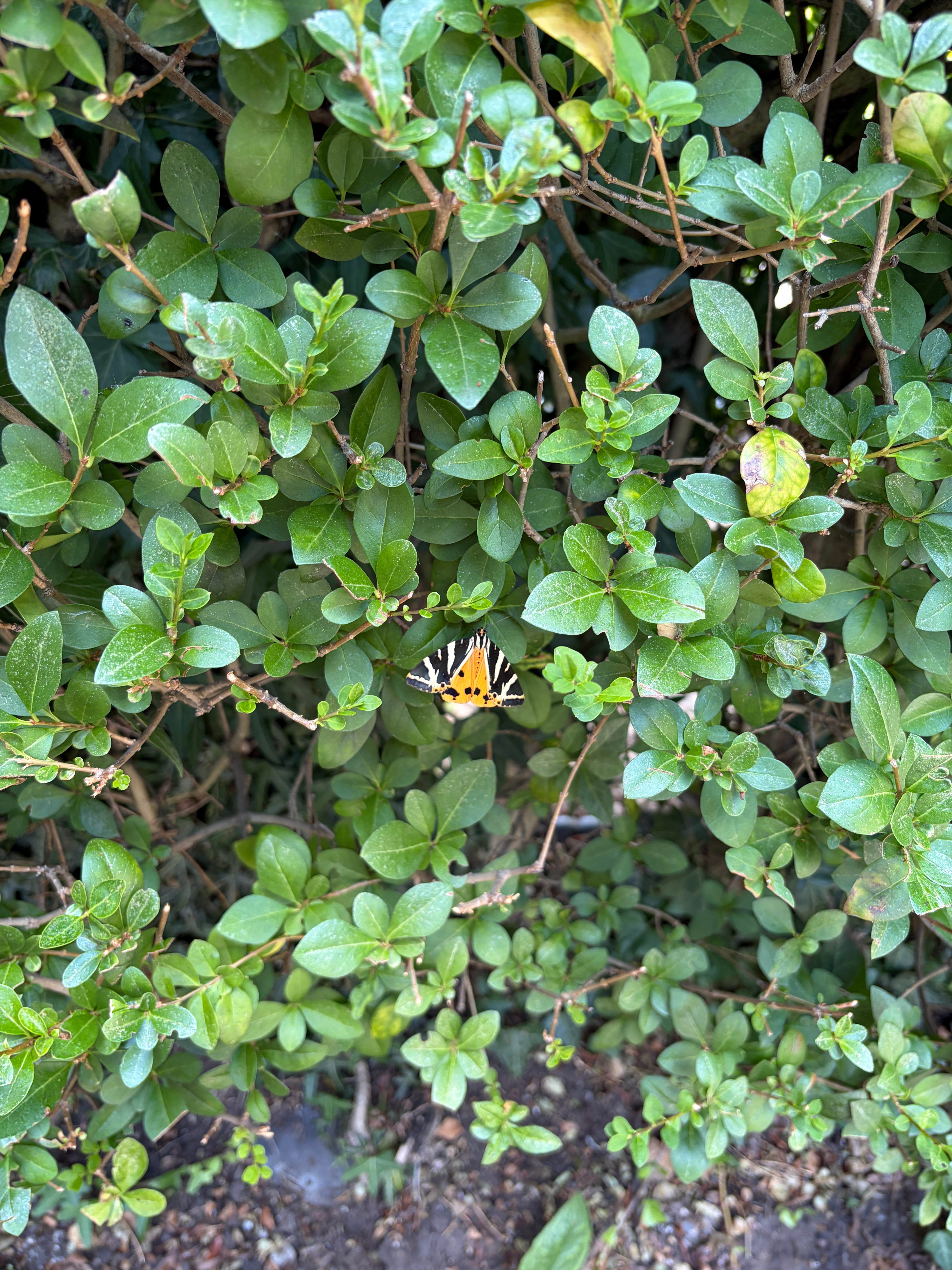
How about a butterfly? The iPhone Air's image is clearly the richer of the two. The leaves, branches, and pattern on the butterfly itself are more detailed in the shot captured with Apple's newer phone, while the iPhone 7's image is softer, almost as if there's a streak of sunblock on the lens. This is the first shot where I think, "Yeah, that photo was shot on an old iPhone."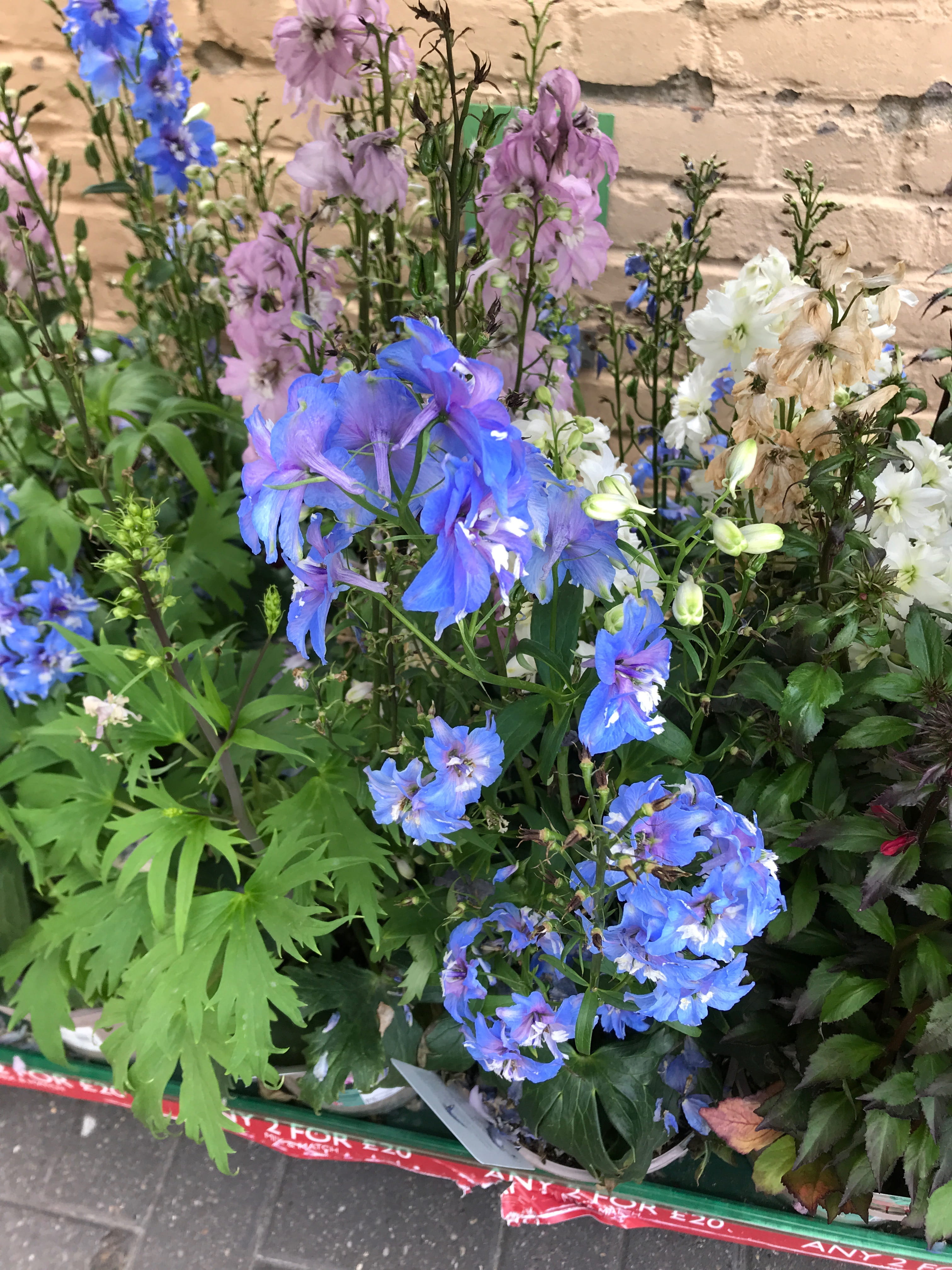
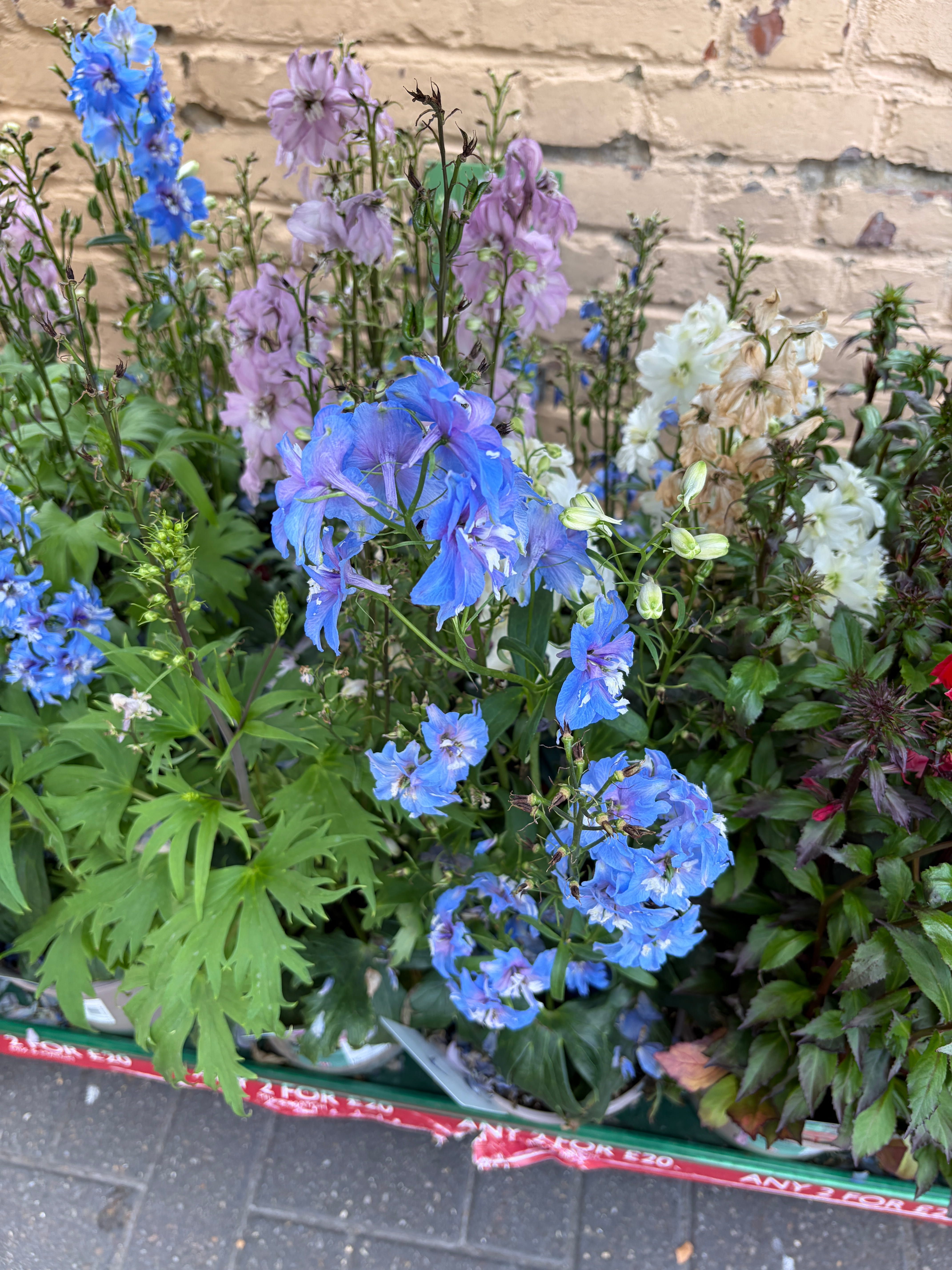
This is a tricky one. The petal detail on the main flower is slightly better on the iPhone Air shot, and the color of the rear wall is more accurate, too. But the iPhone 7 keeps more foreground detail intact (see the green leaves on the left and the red label at the bottom). We'll call it a draw.
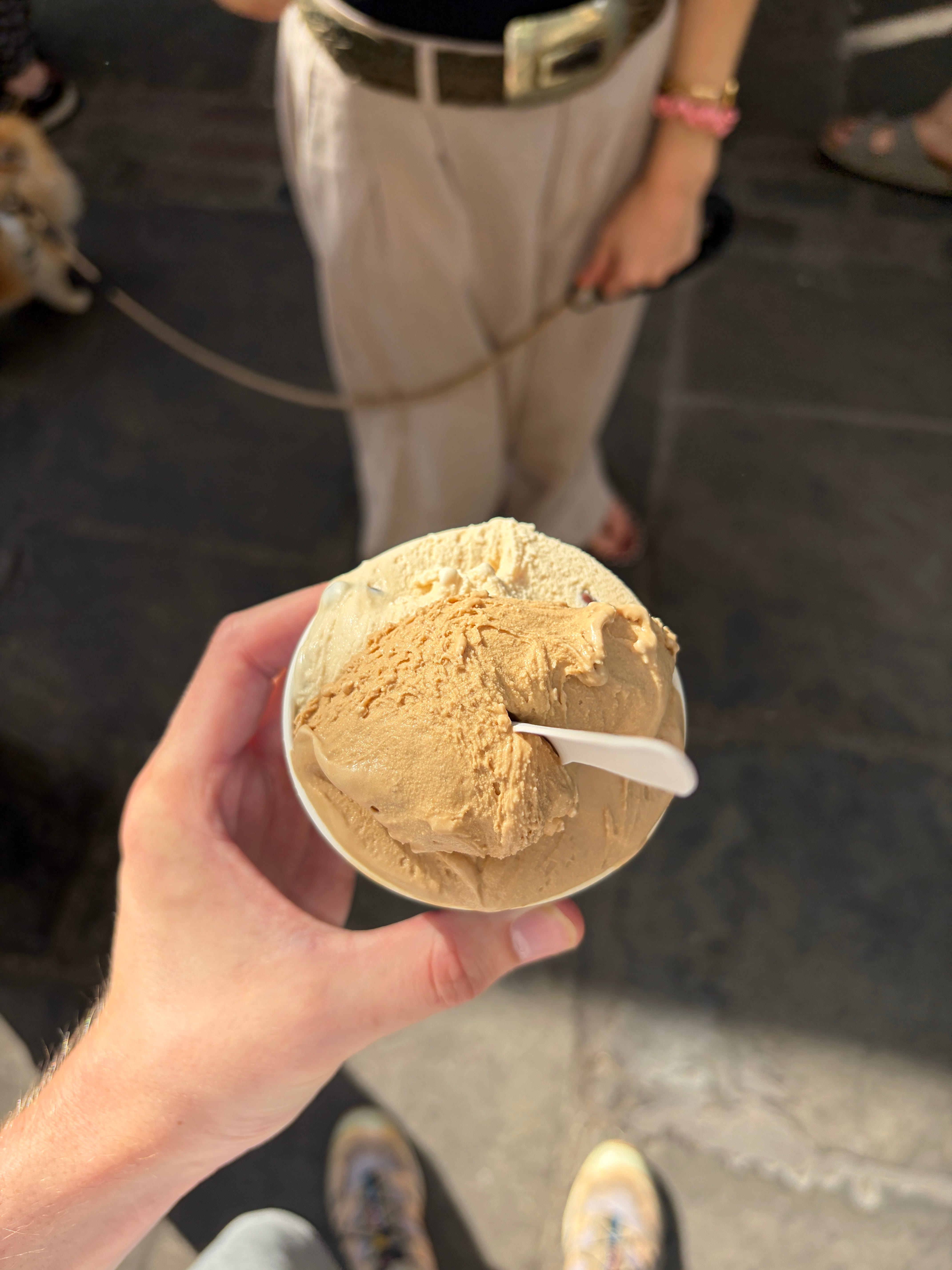
And here we come to the best example of Apple's modern approach to color science in action. On newer iPhones, Apple prioritizes style over realism, occasionally warming things up with more saturation, so shots have an almost yellowish quality. As you can see above, the ice cream is literally a different color in both pictures.
The iPhone 7's approach to this image is too cold — I chose the salted caramel flavor, and the older iPhone saps all the fun and warmth out of that decision. It makes the ice cream look unappetizing and the weather miserable. The iPhone Air's photo looks immeasurably warmer, and while my surroundings weren't quite that yellow, I'd rather exist in this sun-kissed world than in the iPhone 7's gloomy alternative.

Another big win for the iPhone Air here. Neither phone has a dedicated zoom camera, so I had to employ digital zoom in both cases (around 4x), and the iPhone Air captures far, far more detail than the iPhone 7.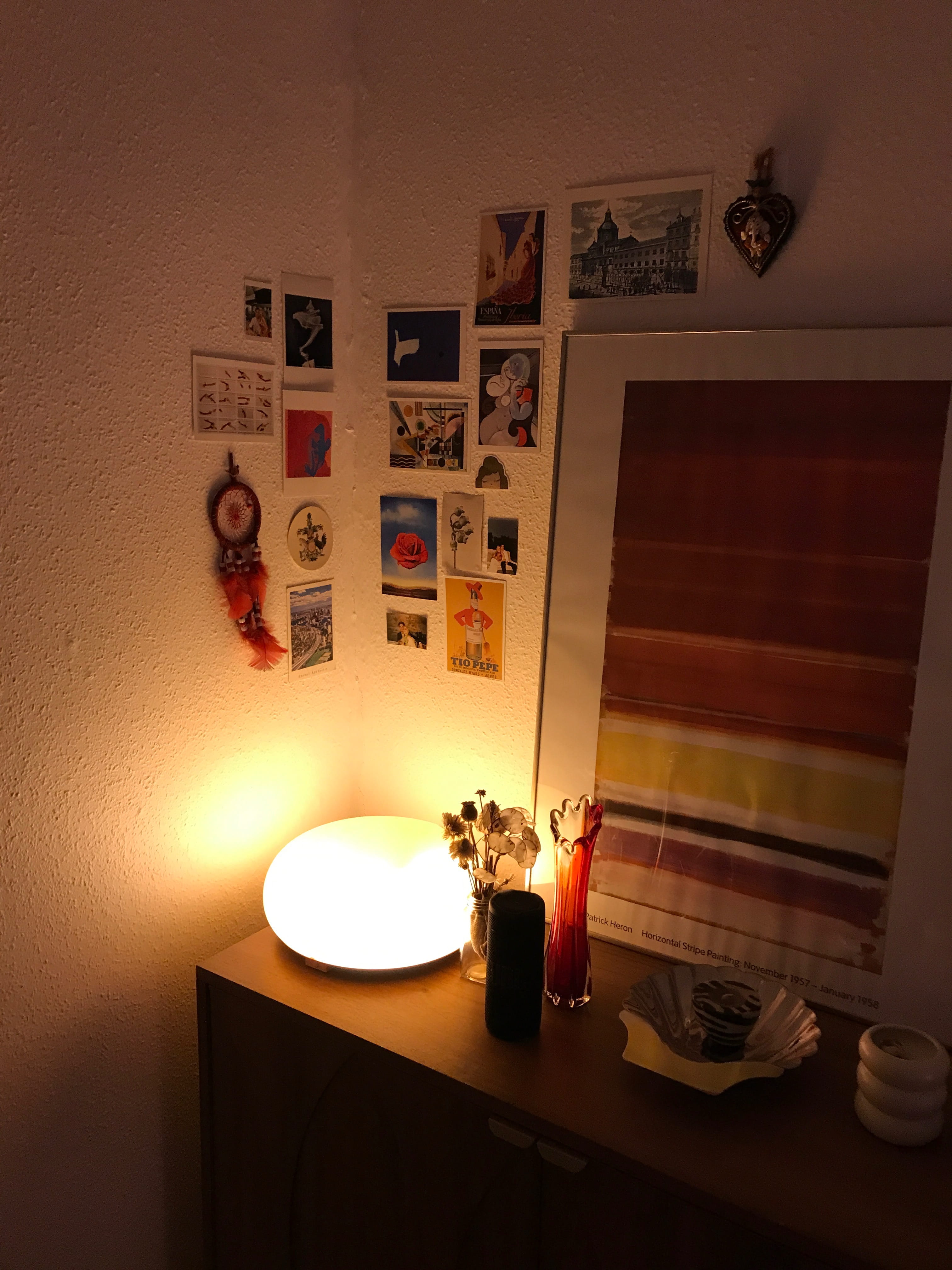
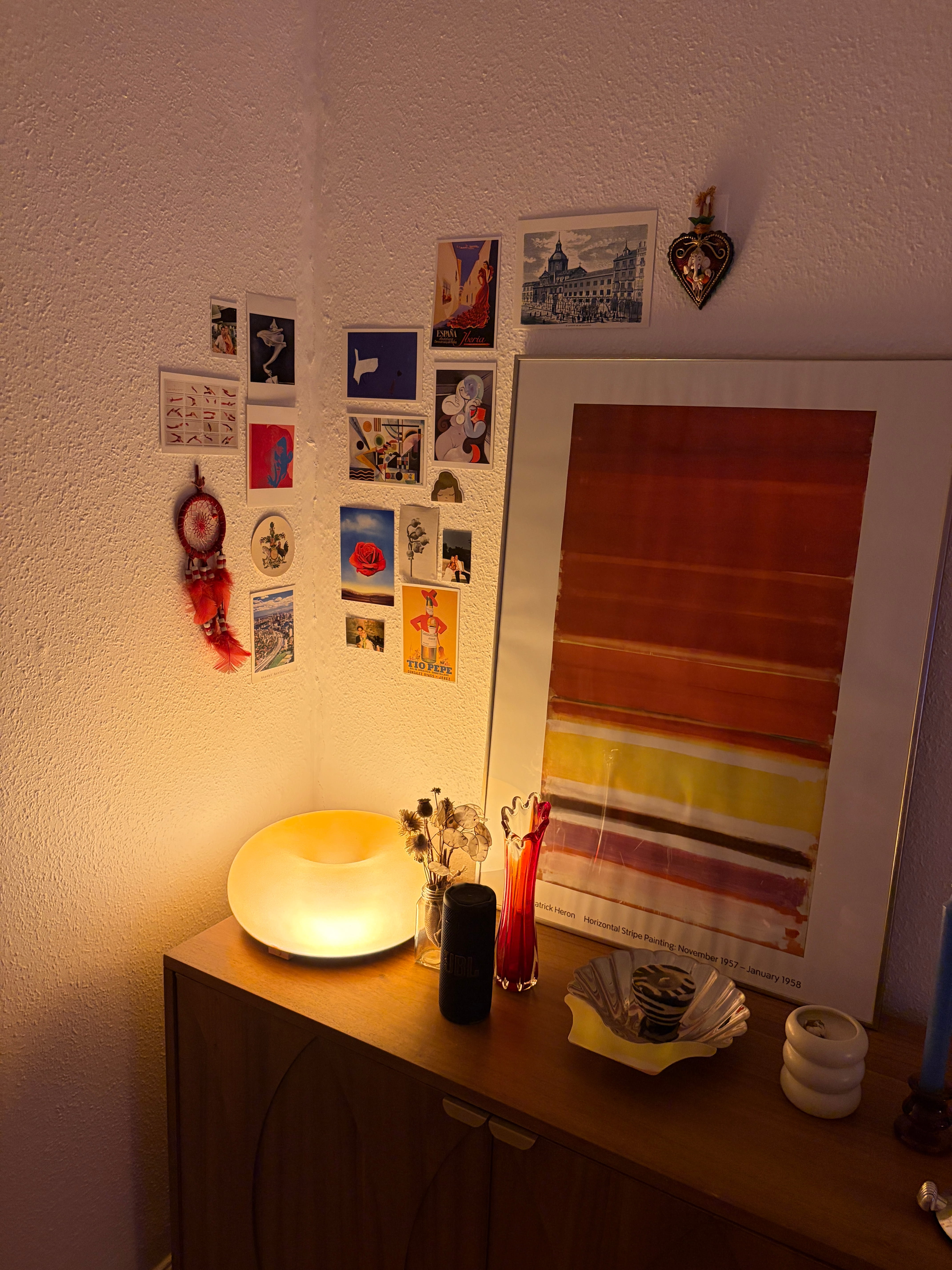
So far (the zoom example above notwithstanding), the iPhone 7 has delivered less detailed but still largely usable images versus the iPhone Air. That stops when you switch to low-light scenarios.
In this example, the iPhone 7 just can't handle the bright light of my IKEA donut lamp — you can't even tell that it's a donut at all. The iPhone Air, meanwhile, captures the charming shape of the lamp itself as well as details in the shadows it creates. Look at the pattern on the cupboard door — it's simply not visible in the photo captured by the iPhone 7.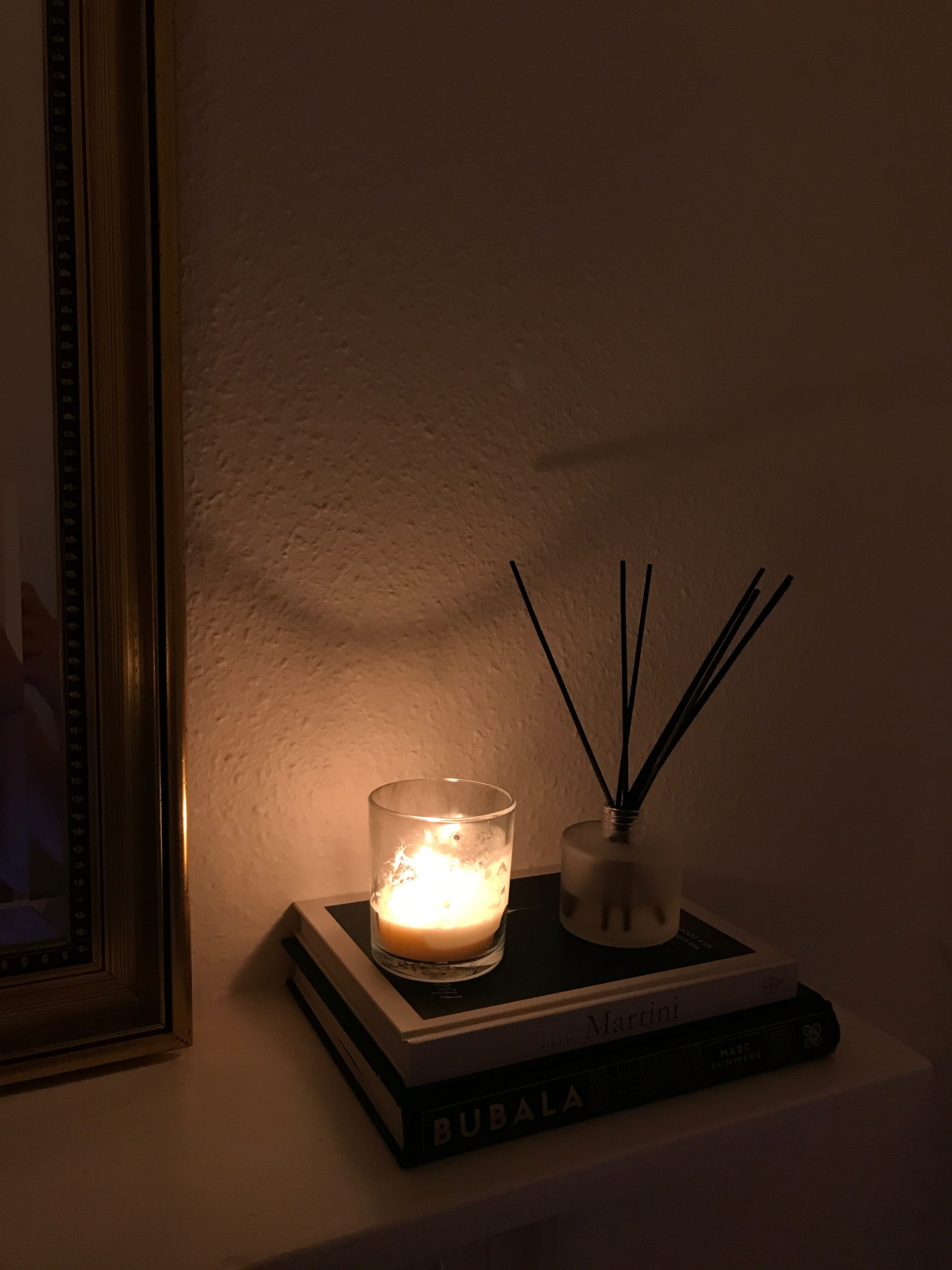
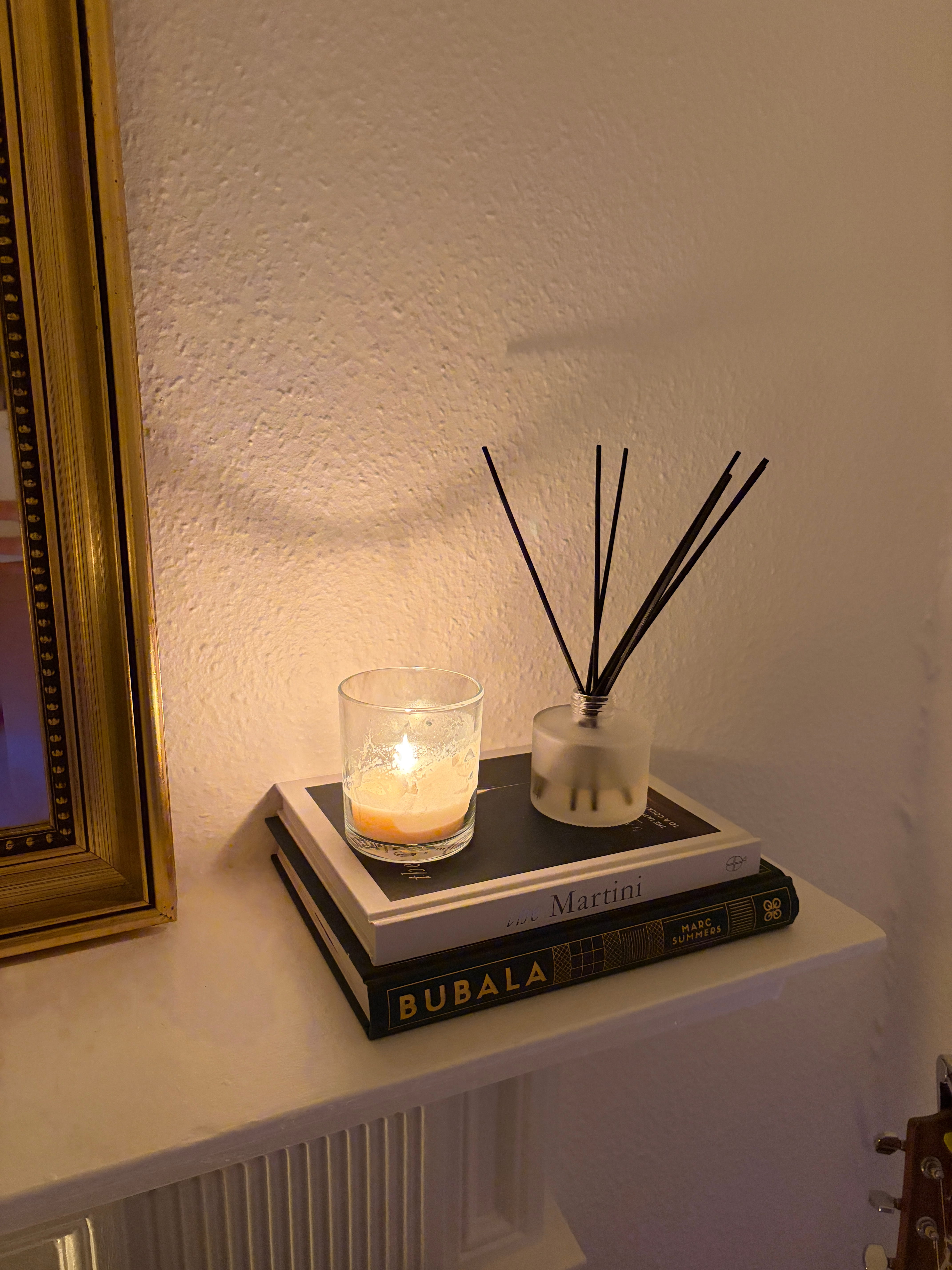
Again, the difference is night and day here (almost literally). The candle in the iPhone 7 photo is extremely blown out — no pun intended — while the iPhone Air more accurately recreates what I was seeing with my eyes (read: light).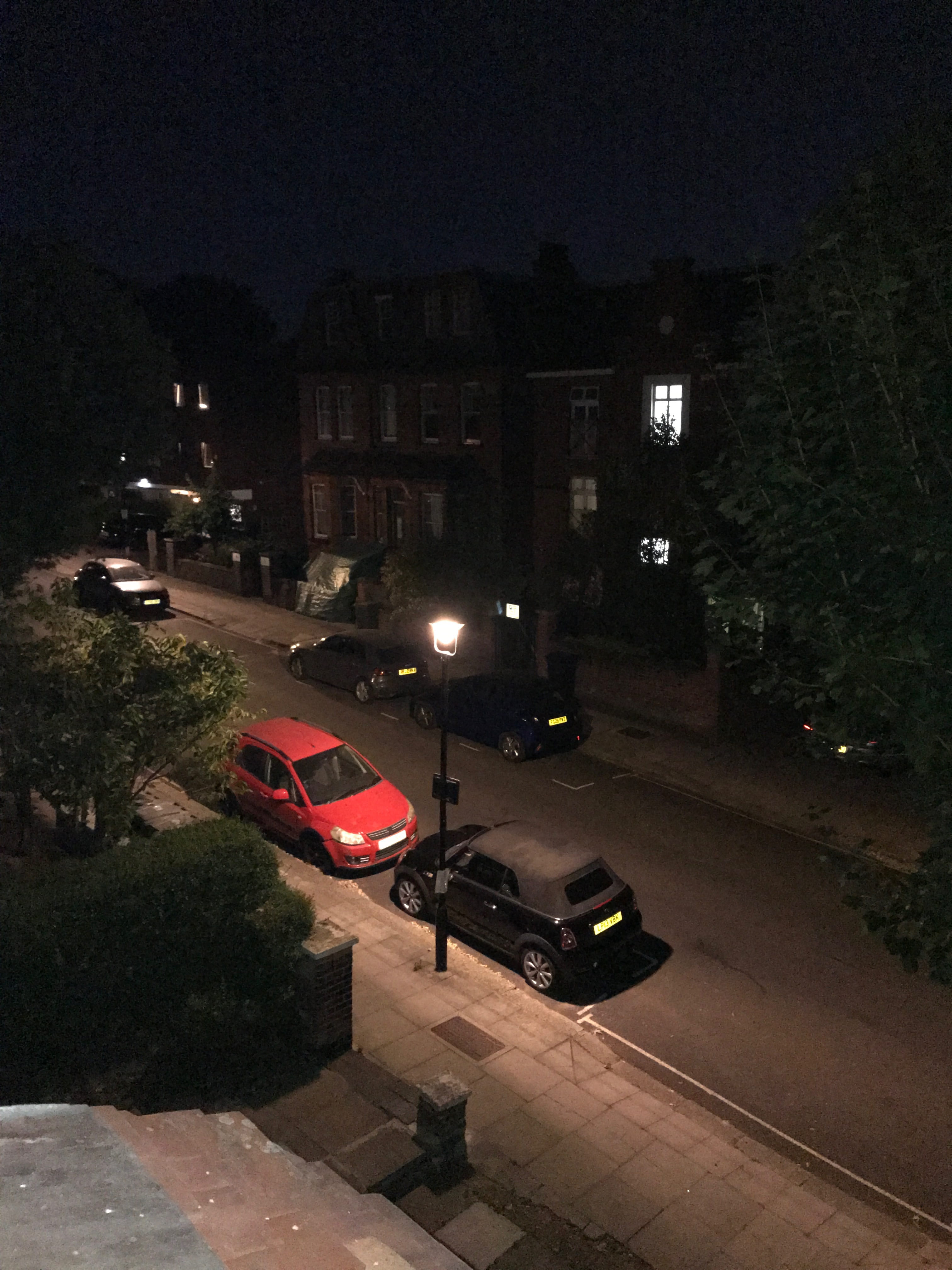
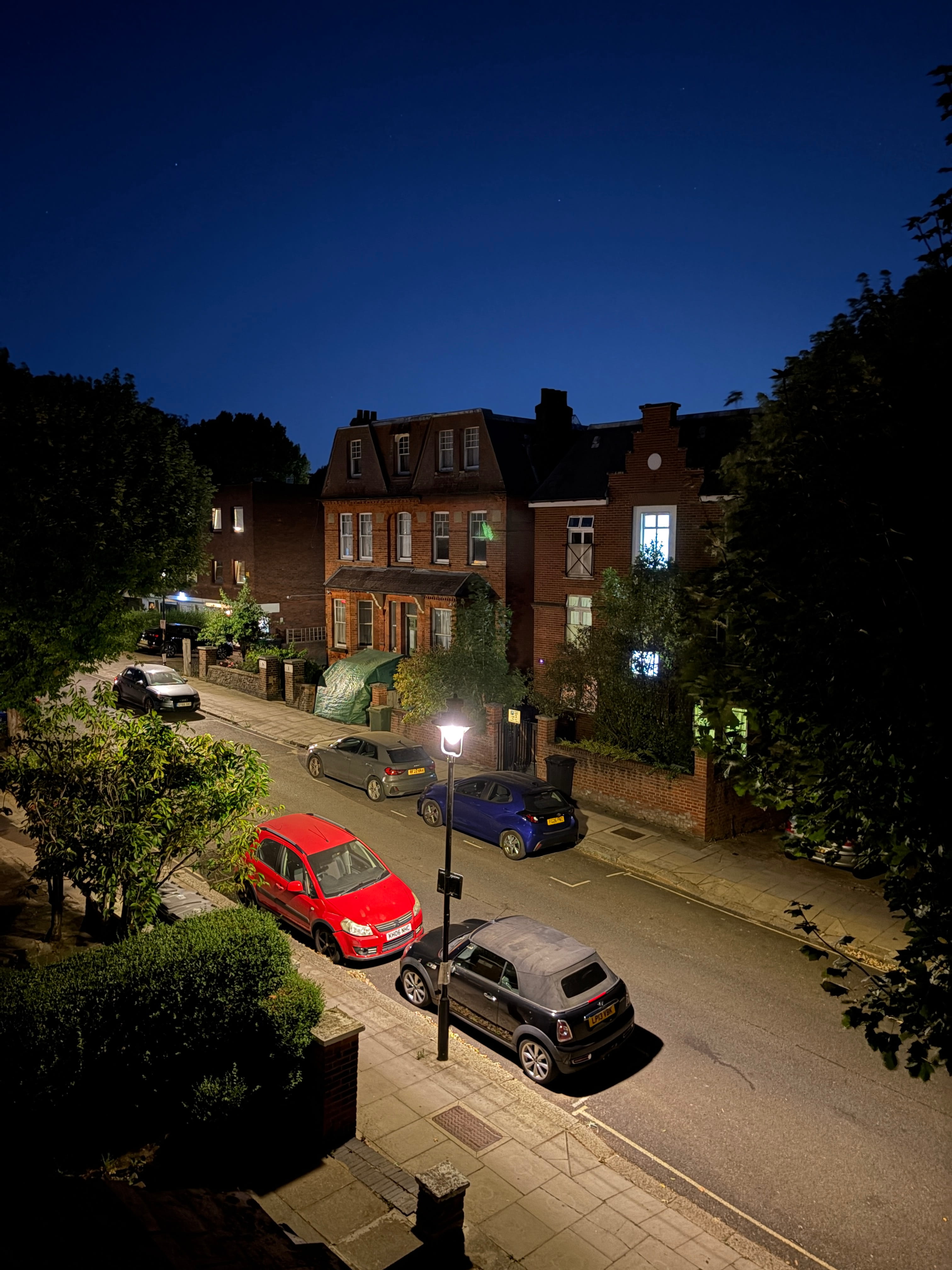
If this were a competition to see which phone could best recreate the neo-noir visual style, the iPhone 7 would win (the first photo is very Lynchian). Alas, it's not, and so here we have a great example of just how far the iPhone's night photography skills have come. The iPhone Air photo is more detailed, has better dynamic range, and has more accurate colors — try and read the number plates in the iPhone 7 photo, and tell me I'm wrong.

Oh look, it's me! I'm actually quite impressed with the detail served up by the iPhone 7 here — the hairs on my head and face are equally visible in both examples — but the iPhone Air more accurately captures the whites of my eyes and the details of my complexion (read: the blemishes. Sigh.)
In fact, now I'm looking at the iPhone 7 photo again — specifically, my black eyes — I look a bit like a Great White Shark who's enjoying his last hours as a human. Maybe that's what Apple was going for in 2016?
Verdict
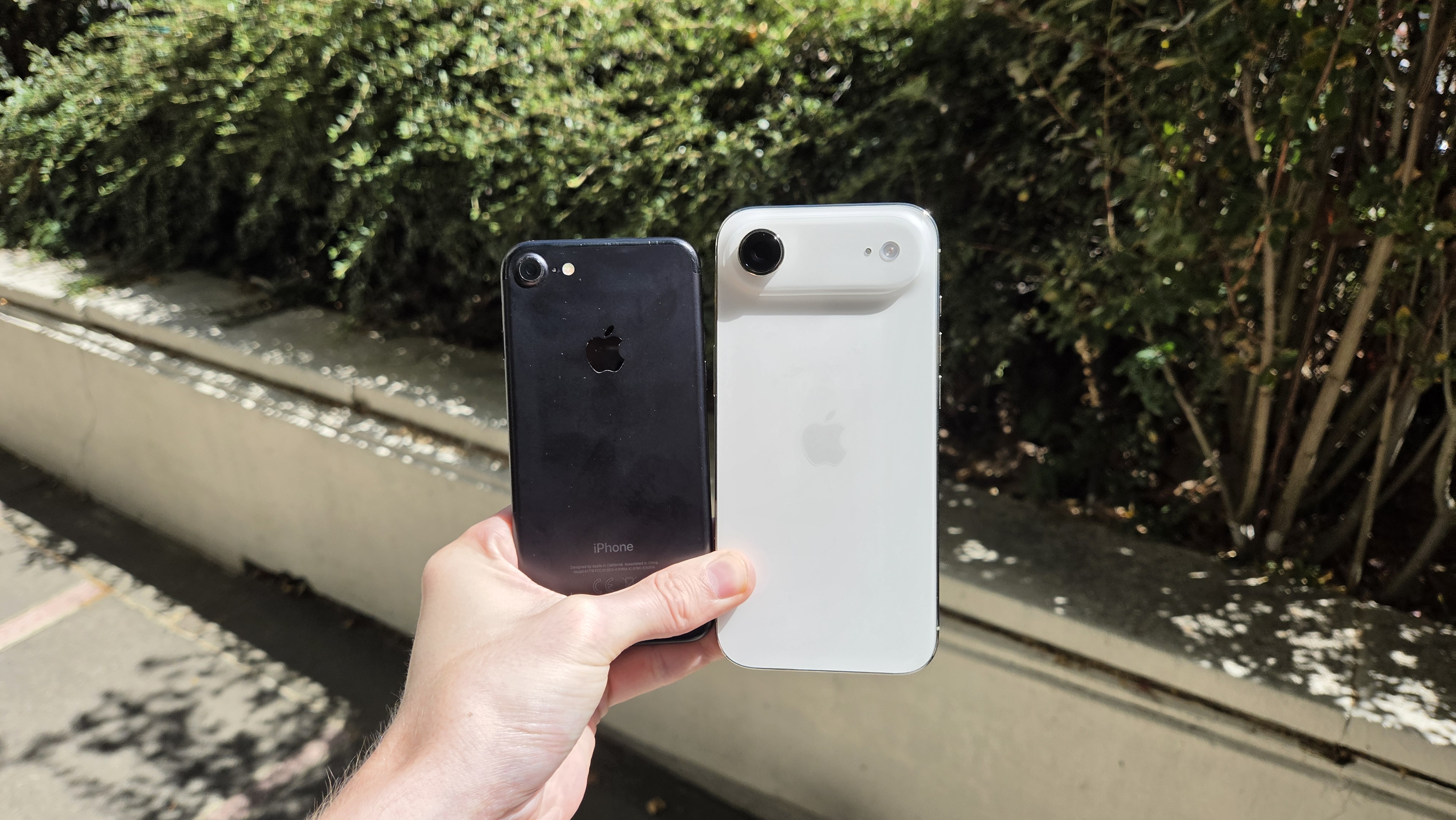
Surprise! The iPhone Air captured a better photo than the iPhone 7 in almost every example. That was to be expected, and, if you're spending close to four figures on one of the best iPhones in 2026, hoped for.
Apple's latest single-camera iPhone delivers superior details, colors, dynamic range, and digital zoom clarity than its predecessor 10 generations removed, and if that wasn't the case, you'd be worried for the company's future.
But in writing this comparison, I was pleasantly surprised by how well the iPhone 7 held up against the iPhone Air. At first glance, it delivered comparable photos on several occasions, only revealing itself to be a 10-year-old device when I zoomed in and dug into the details (or lack thereof). The low-light examples were a different story, but again, that's to be expected.
So, yes, iPhone photography has come a long way since 2016, but if you find yourself forced to use a banged-up old iPhone 7 for a few days (for whatever reason), it won't be totally incapable of capturing usable photos.
Share
What's Your Reaction?
 Like
0
Like
0
 Dislike
0
Dislike
0
 Love
0
Love
0
 Funny
0
Funny
0
 Angry
0
Angry
0
 Sad
0
Sad
0
 Wow
0
Wow
0