9 tips to get more from your fan or air conditioner — air quality experts on how to keep your whole home cool without spiking your energy bill
I asked three air-quality experts how to optimize your fan and portable AC this summer to keep your home cooler without spiking your energy bill.

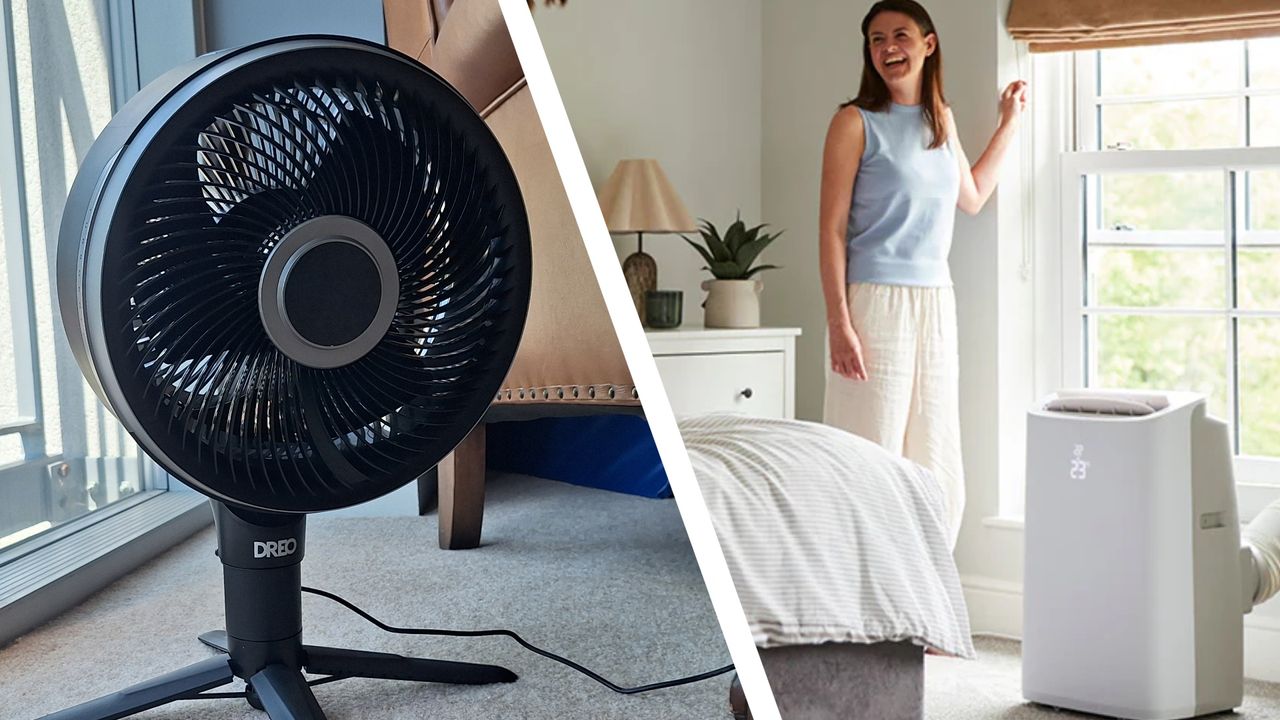
Fans and portable air conditioners have been flying off the shelves this summer, but are you getting the most from yours? I asked three leading figures in the cooling-tech industry — Chris Michael, Air Treatment Expert and Co-Founder of Meaco, Ciaran Murphy, CEO of Dimplex, and Norlan Cai, Marketing Director at DREO — for their expert advice on keeping our homes cool and comfortable this summer.
Here, they'll share their tips on how to get the best performance from fans and personal air conditioners — and the experts agree that using both together will provide optimum results.
“Fans don't lower the temperature of a room, but they do help you feel cooler by circulating air,” explains Ciaran Murphy. “Pairing a fan with a portable air conditioner can help distribute cool air more effectively throughout the space."
“If you’re cooling a large room or trying to share AC draft between two connected rooms, use a fan to accelerate airflow and spread the cool air quickly,” adds Norlan Cai, who says the fan-and-AC combo is particularly effective in poorly insulated spaces.
“For high-sunlight areas (like conservatories), pairing a fan with your AC provides an immediate wind-chill effect to keep you feeling cool,” he says. “If running an AC alone leaves your room feeling cold yet stuffy, adding a fan introduces a dynamic breeze that feels much more refreshed and natural.”
Don’t worry if you’ve been unable to get hold of a portable air conditioner, though — a fan can still be effective by itself, if you use it the right way...
Optimize your fan
1. Choose the right model
First of all, make sure you choose the best possible fan for your room. It might be tempting to opt for a budget-friendly table fan, but Cai advises thinking bigger and choosing a versatile tower fan instead.
“Tower fans generally deliver a softer, wider, and more gentle breeze compared to traditional pedestal fans or high-velocity air circulators,” he says. “This makes them ideal for direct, comfortable personal cooling — especially while sleeping or working.
Struggling to choose? Take a look at our complete guide to the best fans for models tested and approved by our team of experts.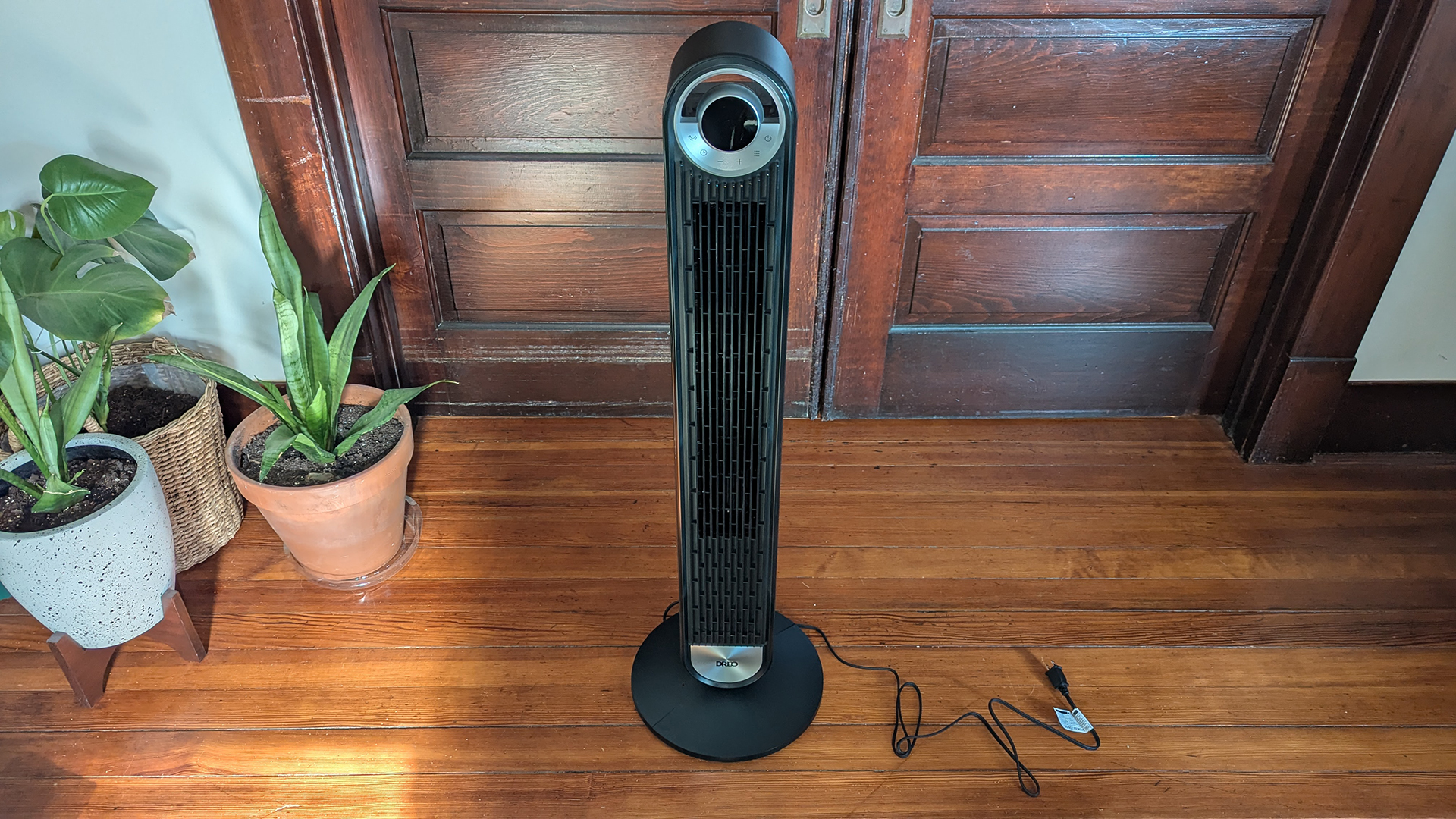
2. Create a draft
In the evening, your fan can bring the indoor temperature down rapidly by pulling in cooler air.
“When the temperature outside drops below the indoor temperature, open windows on opposite sides of the room or home,” says Chris Michael. “Position the fan near one window to help draw cooler air in and move warmer, stale air out through the other.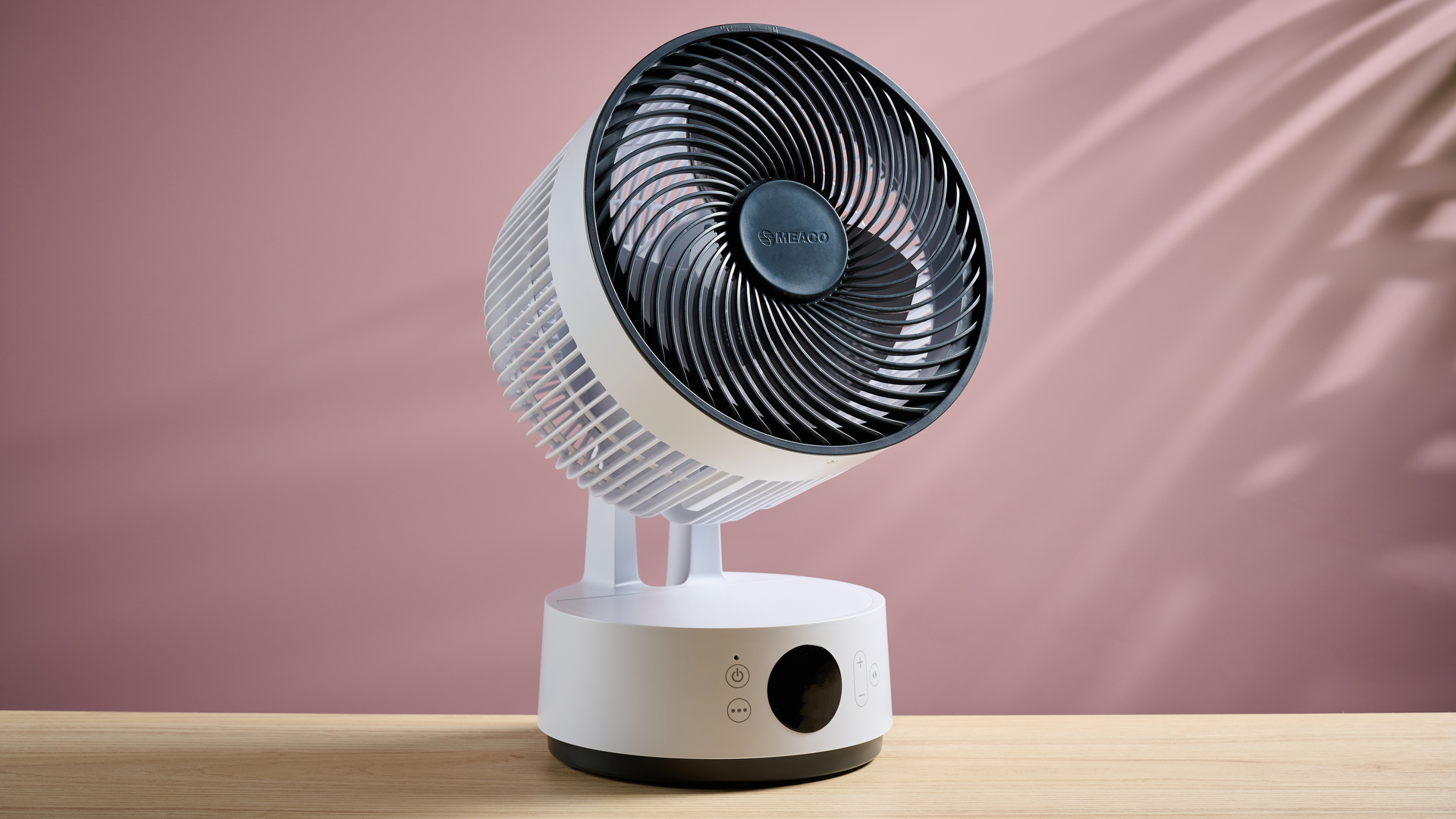
3. Adjust the angle
The angle of your fan can also have a big impact on its effectiveness, so try to focus it where people are sitting or standing for the best cooling effect.
“A fan cools people by moving air across the skin, so position it to direct the breeze towards the occupied part of the room,” says Michael. “If several people need cooling, use side-to-side oscillation. Combining horizontal and vertical oscillation will distribute the airflow more widely.”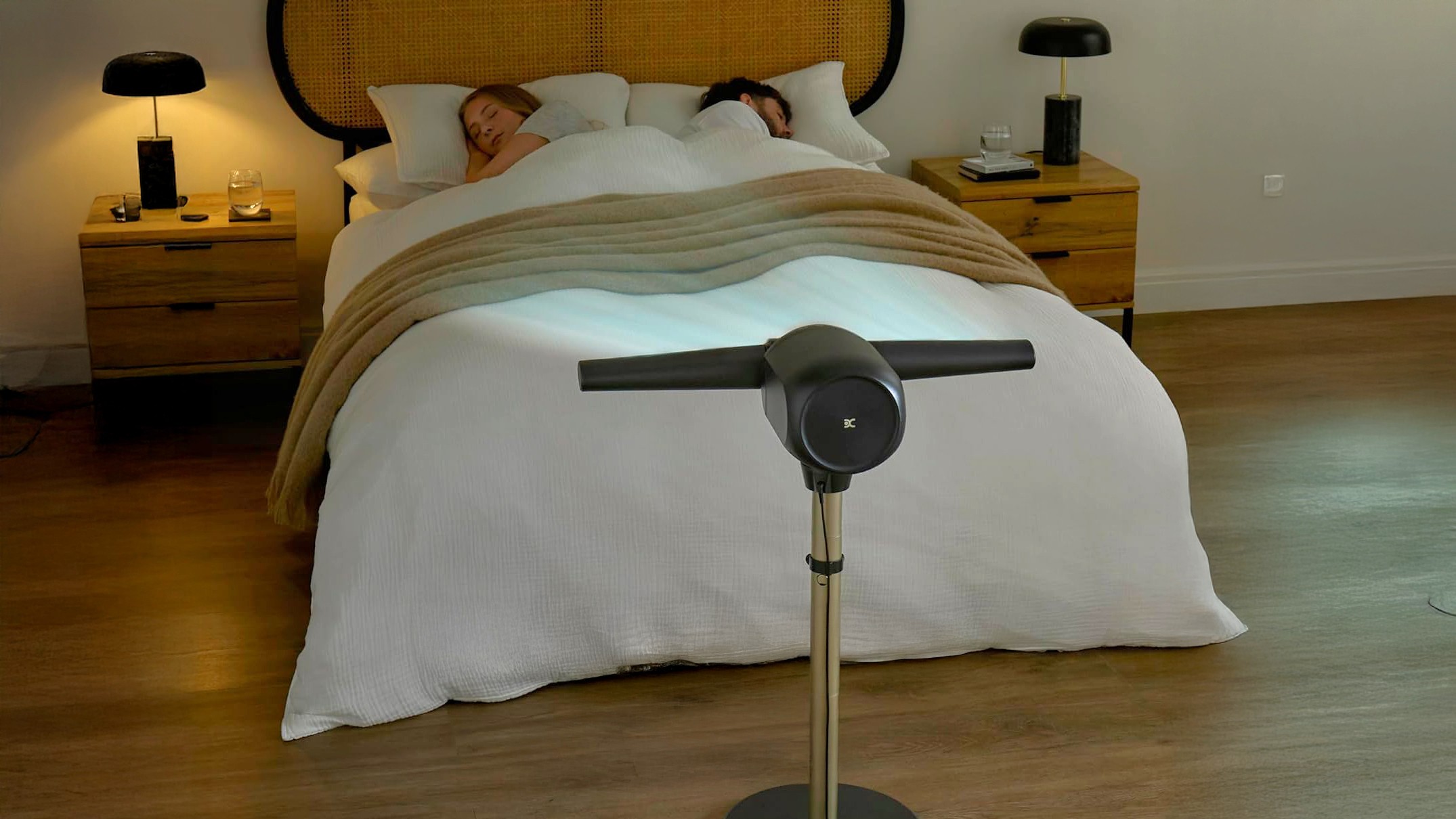
4. Set a sleep timer
During a heatwave, a good quality fan can make the difference between being sweaty and sleepless, and getting a proper night’s rest — but there’s no need to simply switch it on and leave it running.
“Use a timer to run the fan while you fall asleep without leaving it on unnecessarily throughout the night,” advises Chris Michael. “If a direct breeze feels uncomfortable, angle the fan towards a wall or ceiling to circulate the air more gently around the bedroom.”
Optimize your portable AC
1. Choose dual hoses (or a converter)
When you’re shopping for a portable air conditioning unit, you’ll notice that there are two types: single- and dual-hose. Dual-hose units use one hose to pull air in from outside to cool the unit and another to push the hot air out. Single-hose units only have an exhaust hose, which creates negative pressure in the room and can pull in warm air from the rest of the house.
“Dual-hose systems offer superior cooling and better energy efficiency compared to standard single-hose units because they avoid drawing warm air back into the room,” explains Cai. “If you own a single-hose unit, you can convert it into a dual-hose system either via DIY solutions or by using our official Dreo Dual-Hose Accessory Kit.”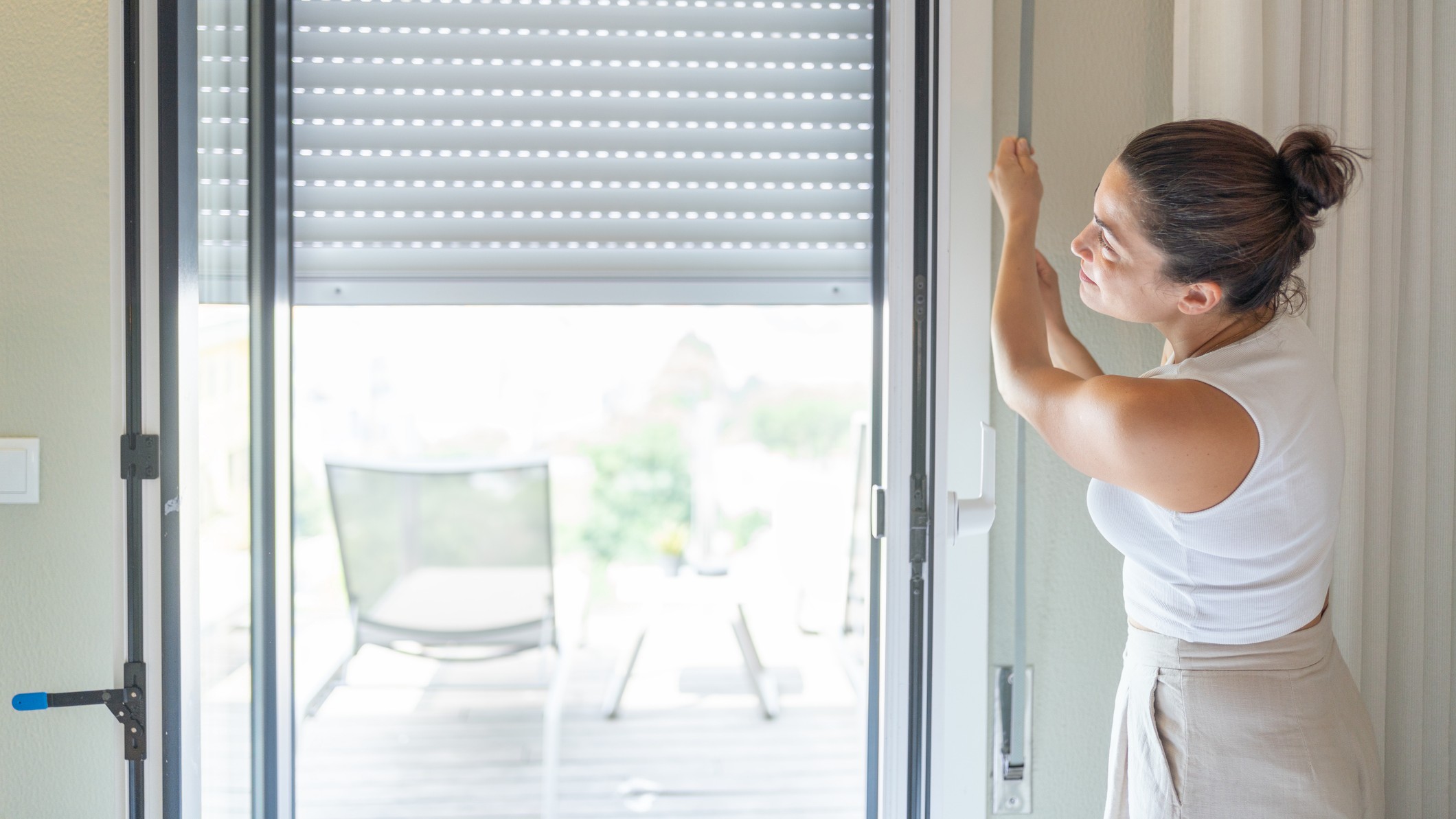
2. Keep the temperature stable
Your portable air conditioner will be most effective if you can avoid the room getting too hot in the first place and use it proactively to keep the space at a comfortable temperature during the day.
“Closing blinds, curtains or shutters during the hottest part of the day can help keep indoor temperatures down,” advises Murphy. “The less heat that enters your home, the less work your cooling appliances need to do.”
Michael agrees that keeping windows covered is important, and advises starting your AC early so it doesn’t have to work overtime. “Start cooling the room before it becomes uncomfortably hot rather than waiting until bedtime,” he says. “Keep windows and doors closed while the air conditioner runs and switch off electrical equipment that generates unnecessary heat.”
All the experts recommend keeping your room at a consistent temperature, rather than allowing it to heat up, then trying to cool it down quickly by cranking up the air conditioner.
“Many people assume setting their air conditioner to its coldest setting will cool a room faster, but that’s rarely the case,” says Murphy. Instead of letting temperatures rise and then trying to cool the space down again, aim for a comfortable, consistent temperature.
“Maintaining a steady setting is often more effective for both comfort and energy efficiency, helping you stay cool while keeping energy use under control.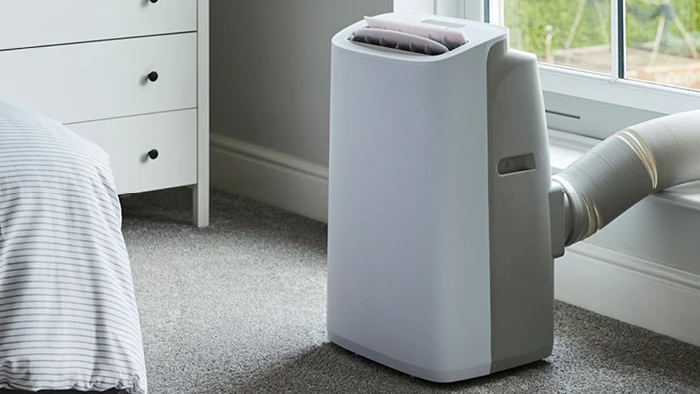
3. Vent hot air properly
Portable air conditioners remove heat through their exhaust hose, so it’s important to ensure this fits properly and isn’t allowing hot air to leak back into the room.
“Keep the hose as short and straight as possible, with no sharp bends or kinks, and use a window kit to seal gaps around the opening,” says Michael. “Poorly fitted ducting allows warm air back into the room and reduces cooling performance.”
Cai agrees, and suggests some practical ways to ensure the warm air is vented properly — both in the short term, and if you’re planning to move to a more energy-efficient house in the future.
“Even the best portable AC will struggle if cool air is escaping,” he says. “Keep doors and windows tightly closed during operation to lock in the chill. Thermal insulation matters: thicker walls and energy-efficient window glazing significantly reduce outdoor heat transfer, allowing your room to get cooler faster and stay cold longer.”
4. Keep your space tidy
Dust and clutter can restrict airflow to your portable AC unit, making it work harder than necessary and reducing its performance. A little housekeeping will go a long way when it comes to keeping your home feeling comfortable in the summer.
“Good airflow is essential for effective cooling,” says Ciaran Murphy. “Make sure fans, portable air conditioners and vents aren't blocked by furniture, curtains or other household items, as restricted airflow can seriously impact performance.”
Murphy also recommends cleaning or replacing your AC unit’s filters regularly to maintain strong airflow, improve efficiency and ensure you're getting the best possible performance from your unit - advice that Chris Michael echoes.
“Vacuum the filters around every two weeks during regular summer use and make sure furniture, curtains and other objects do not obstruct the air inlet or cool-air outlet,” he says.
5. Choose the right angle
Finally, remember that as with a fan, the direction of your air conditioner’s air vent can have a big impact on its effectiveness.
Cold air naturally sinks (while warm air rises),” says Norlan Cai. “ Directing your AC’s air vent upward allows the cold air to sink gradually, creating an even, top-to-bottom cooling effect throughout the entire room.”
Share
What's Your Reaction?
 Like
0
Like
0
 Dislike
0
Dislike
0
 Love
0
Love
0
 Funny
0
Funny
0
 Angry
0
Angry
0
 Sad
0
Sad
0
 Wow
0
Wow
0