Watt a load of crap: UK start-up is turning number twos into number one with shockingly superior sewage battery tech
Rheya Labs is developing sewage backup batteries that combine emergency power with machine learning designed to predict failures before pollution occurs.

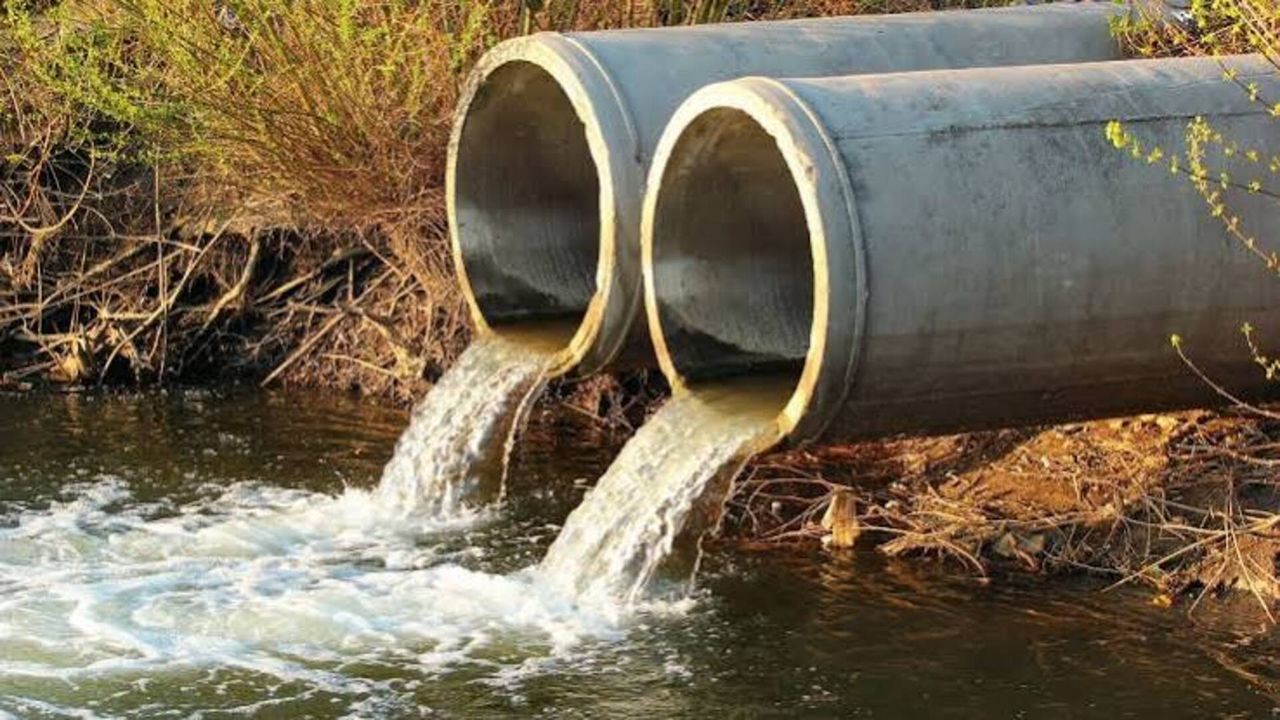
- Rheya combines emergency battery power with software designed to predict sewage spills
- Power failures at pumping stations can turn routine blackouts into environmental pollution
- Rheya battery will predict the underlying causes of spills before they occur
UK startup Rheya Labs has developed backup batteries designed specifically to keep sewage pumping stations running during power failures across Britain.
The company was named one of 20 finalists in Ofwat’s £7.5 million Water Discovery Challenge, run by the Water Innovation Fund.
Each finalist receives up to £100,000 in seed funding, forming part of a wider £7.5 million pot distributed over 20 months.
A different approach to an old problem
Sewage spills are a longstanding, common issue, often blamed on overloaded systems or heavy rainfall.
England recorded around 290,000 sewage discharges from storm overflows during 2025, lasting roughly 1.9 million hours combined across the network.
Power failures at pumping stations are widely recognised as one trigger for these spills, alongside heavy rainfall and ageing infrastructure
Rheya Labs is now working on a system that pairs instant battery backup with software designed to flag faults before they cause spills.
When power cuts strike, Rheya's batteries instantly take over the pumps, preventing raw sewage from spilling into rivers and streets.
The system also applies machine learning to pump data, aiming to predict the underlying causes of spills before they occur.
Co-founder Ben Taylor said sewage pollution remains an ever-growing crisis across the UK, calling power resilience at pumping stations a hidden but major cause.
Predictive analytics may give Rheya the edge
Elsewhere, Sydney Water has trialled sodium-ion battery packs at its Bondi pumping station, offering a cheaper alternative to lithium-ion systems.
That Australian project, backed by a $10.6 million grant, pairs a 30-kWh sodium-ion pack with rooftop solar generation for backup power.
In New York, Viridi's 150 kWh lithium-ion battery system replaced diesel generators, supplying backup power for between 32 and 90 hours.
Unlike those systems, Rheya's technology reportedly combines instant power backup with predictive analytics, potentially spotting faults before failures actually happen.
“With our rapidly changing climate, it is more vital more than ever that we double down on our efforts to create a water system able to support lives and livelihoods,” said Jo Jolly, Ofwat’s Director of Innovation.
“The array of new ideas from new players is astounding. The challenge is getting these ideas delivering impact on the ground, with the sense of urgency these times need.”
Whether Rheya's approach genuinely outperforms established sodium-ion and lithium-ion systems remains unproven outside controlled trials and early pilot deployments so far.
Independent verification of Rheya's spill-prediction claims has not yet appeared in public trials, leaving the early results largely anecdotal for now.
Up to ten finalists, potentially including Rheya, will share £550,000 each next April, funding further testing before wider rollout across the water network.
The success of this project will ultimately depend on whether predictive software matches the reliability already demonstrated by simpler sodium and lithium alternatives.
Share
What's Your Reaction?
 Like
0
Like
0
 Dislike
0
Dislike
0
 Love
0
Love
0
 Funny
0
Funny
0
 Angry
0
Angry
0
 Sad
0
Sad
0
 Wow
0
Wow
0