'If, because of that, we stop innovation, we don’t go anywhere': we got a first look at Samsung Intelligent Eyewear, the smart glasses entering a fraught market worried about privacy
TechRadar got a first look at Samsung's new Intelligent Eyewear — its answer to the Meta Smart Glasses — and some insight into how the company approached the big privacy question.

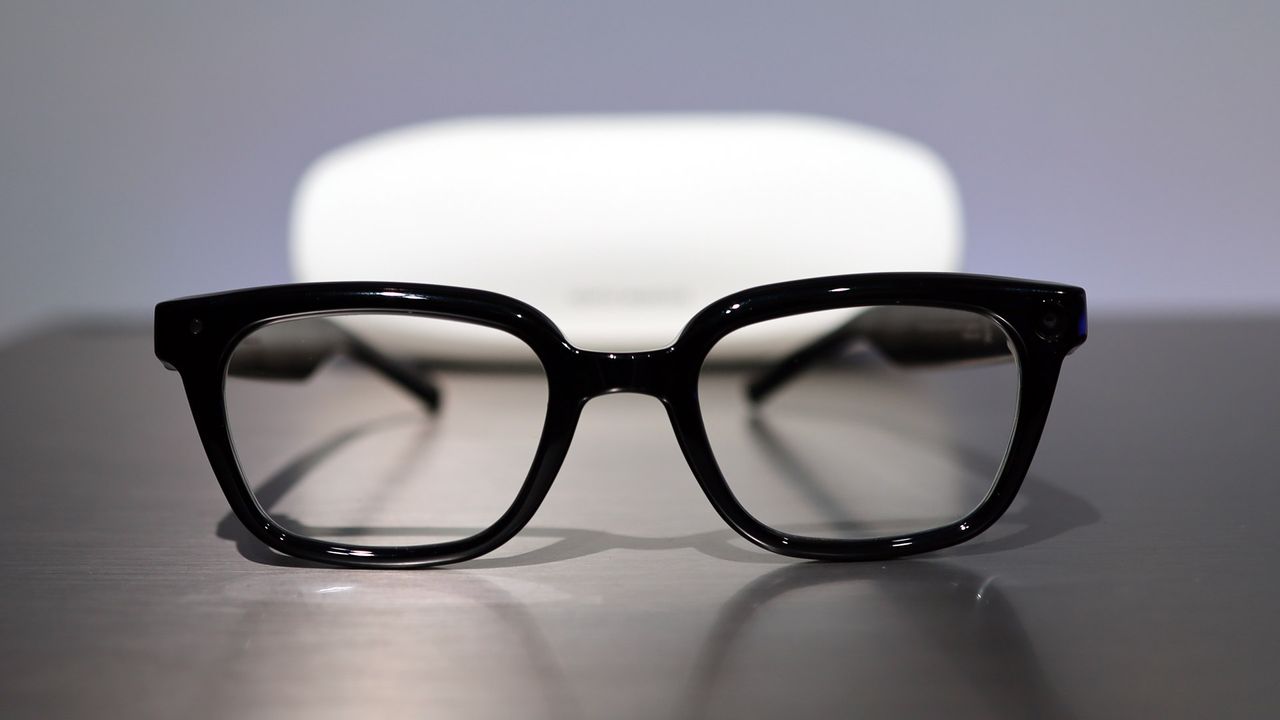
'Intelligent Eyewear' is the fresh term Samsung is using to perhaps give its new wearable technology a fresh start in a market that's showing signs of smart glasses fatigue. With a focus on style and design, the company has unveiled a series of Warby Parker- and Gentle Monster-designed glasses that put fashion and Gemini at the center of the experience.
Samsung unveiled the long-promised collaboration between it, Google, and these premier eyewear brands alongside its new suite of Galaxy foldables at Samsung Galaxy Unpacked on July 22. Its Intelligent Eyewear is finally challenging chief competitor Meta, whose own Ray-Ban and EssilorLuxottica smartglasses have become the dominant products in this space.
In a preview just before the big launch, I got an up-close look at the new smart frames, though Samsung was insistent that I not try them on or actually use them, which was disappointing.
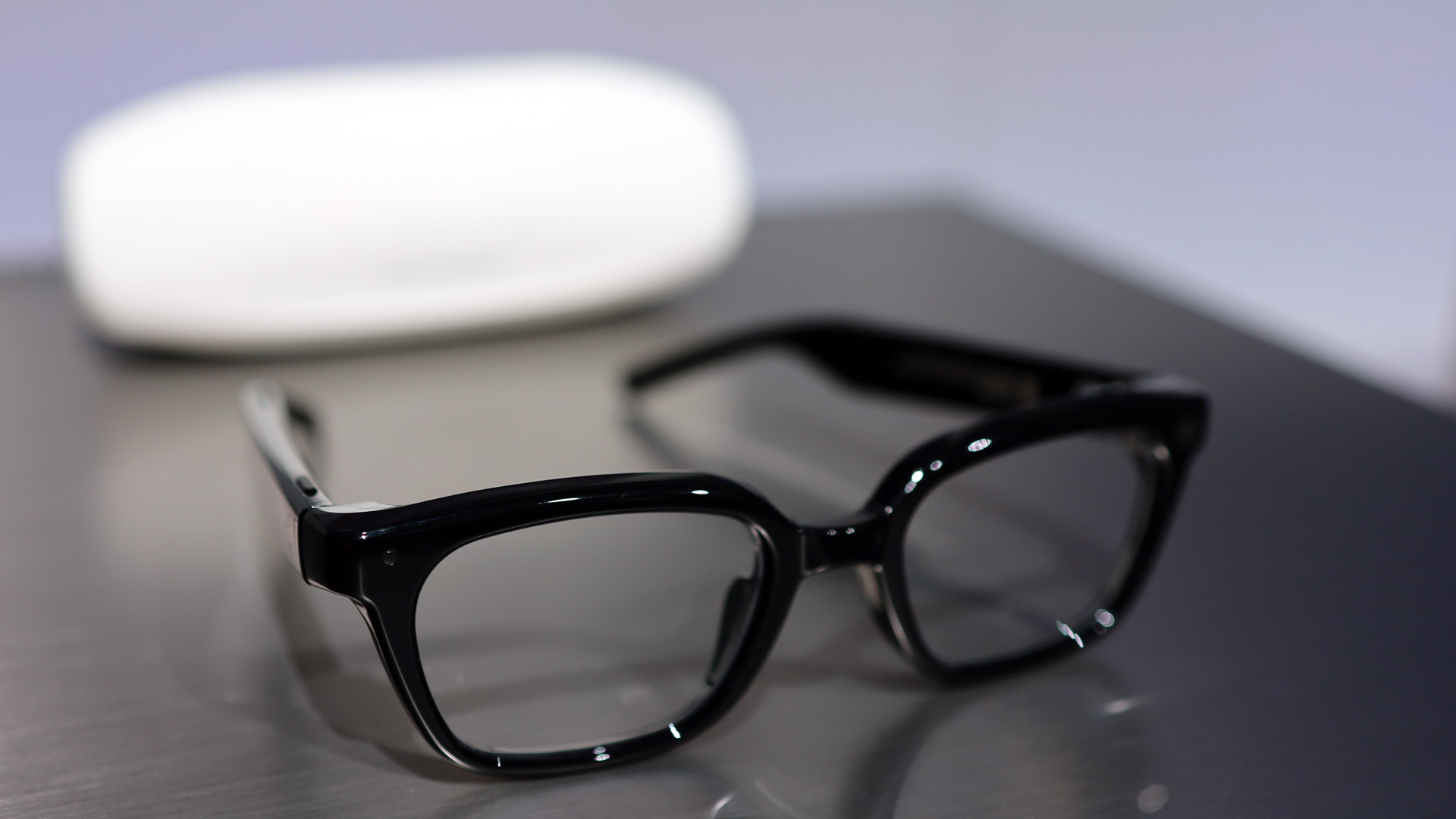
Samsung's Intelligent Eyewear consists of designs ranging from classic square and round-style frames to cat-eye-style silhouettes, and in colors ranging from amber to green and black. Lenses are available in clear and transition. There's no pricing, and the ship date is described as "this Fall".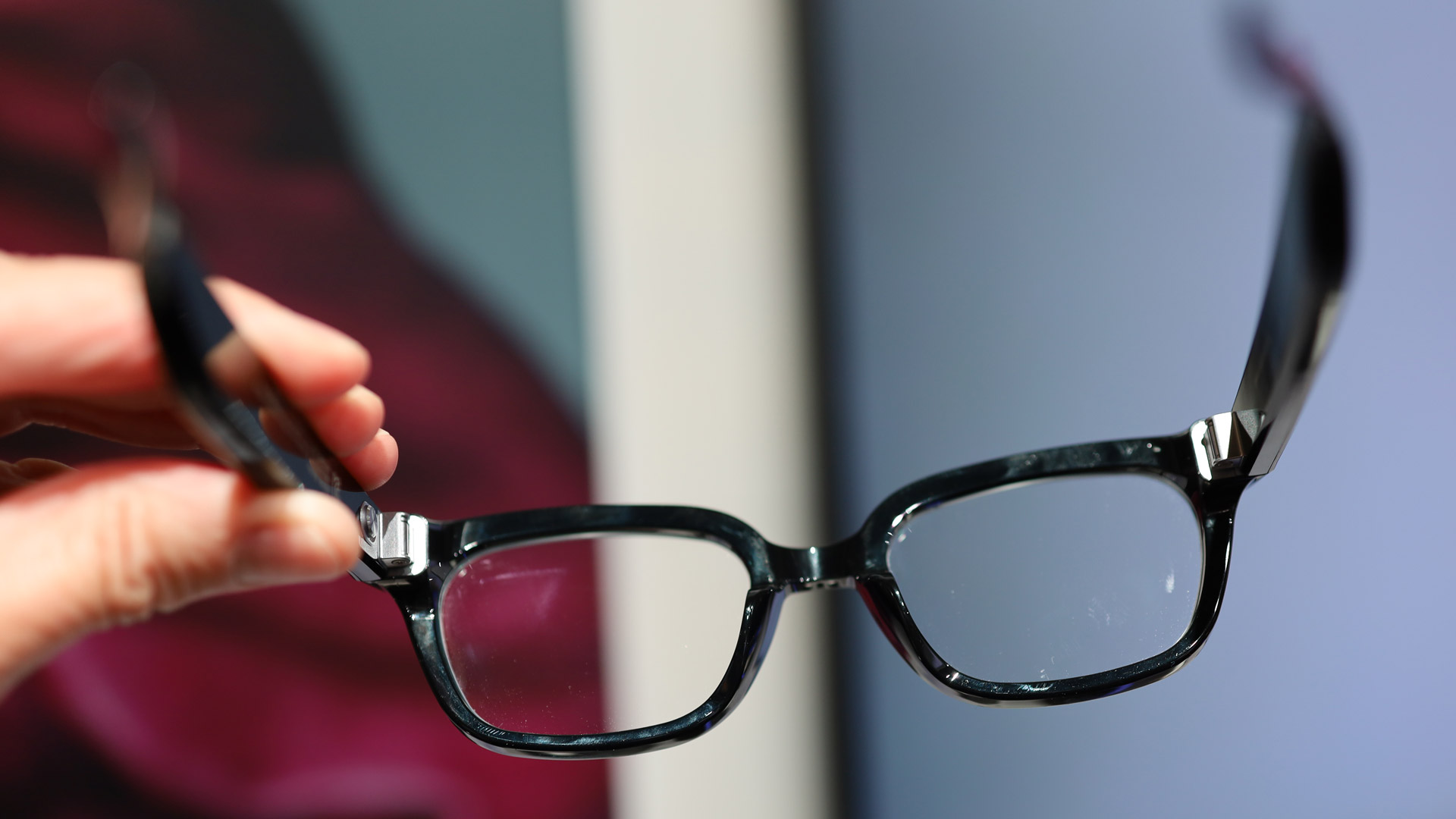
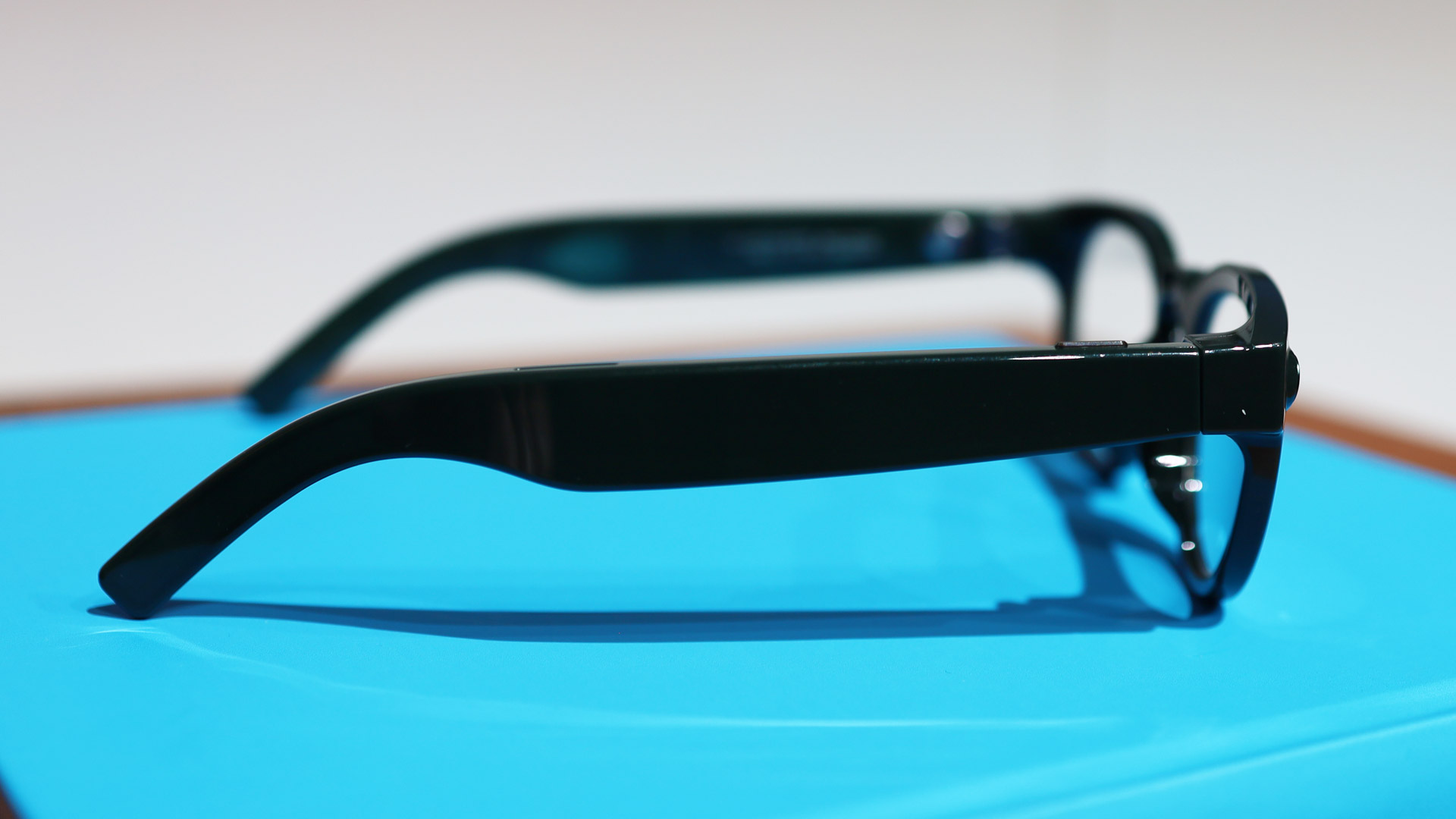
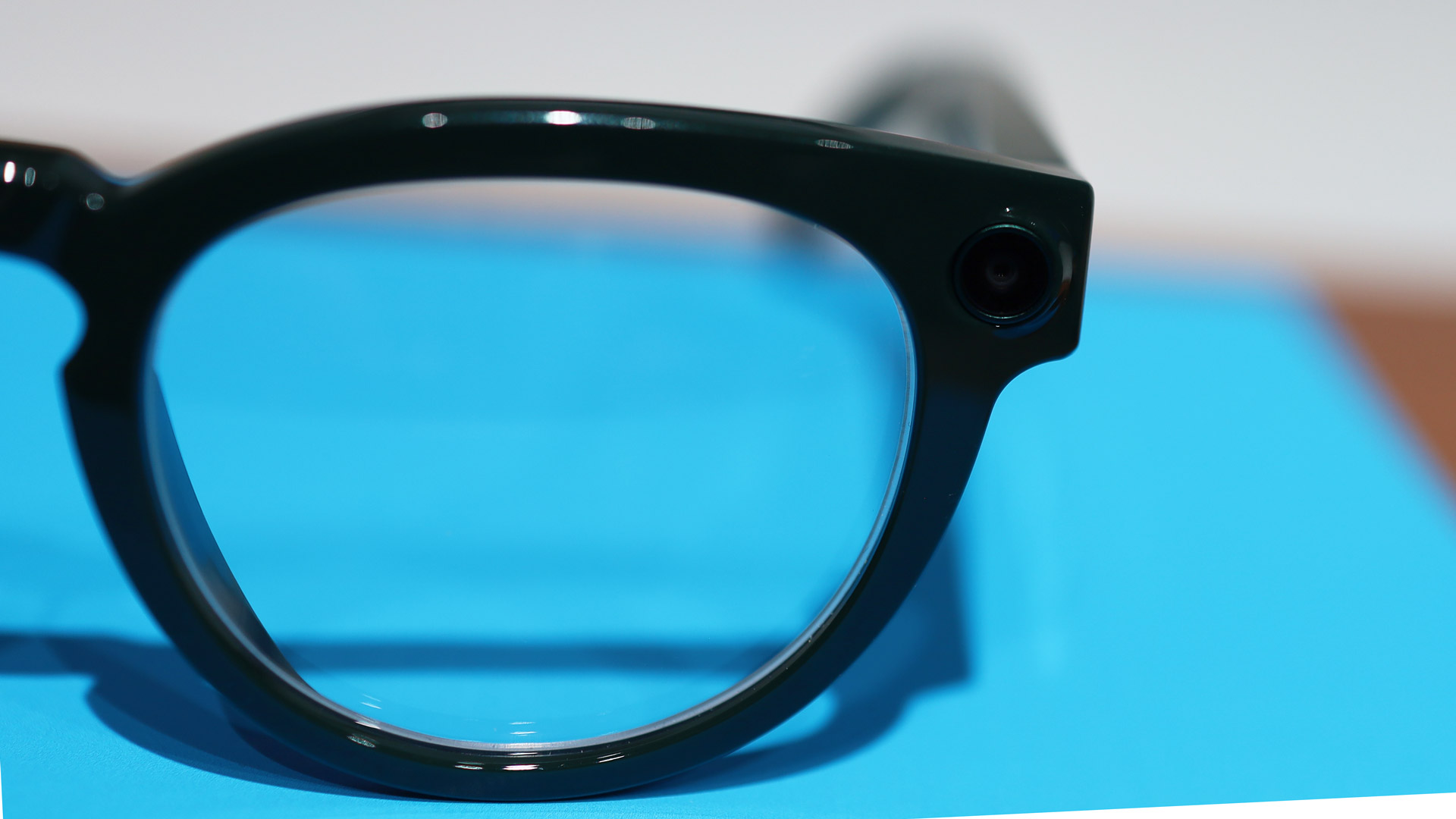
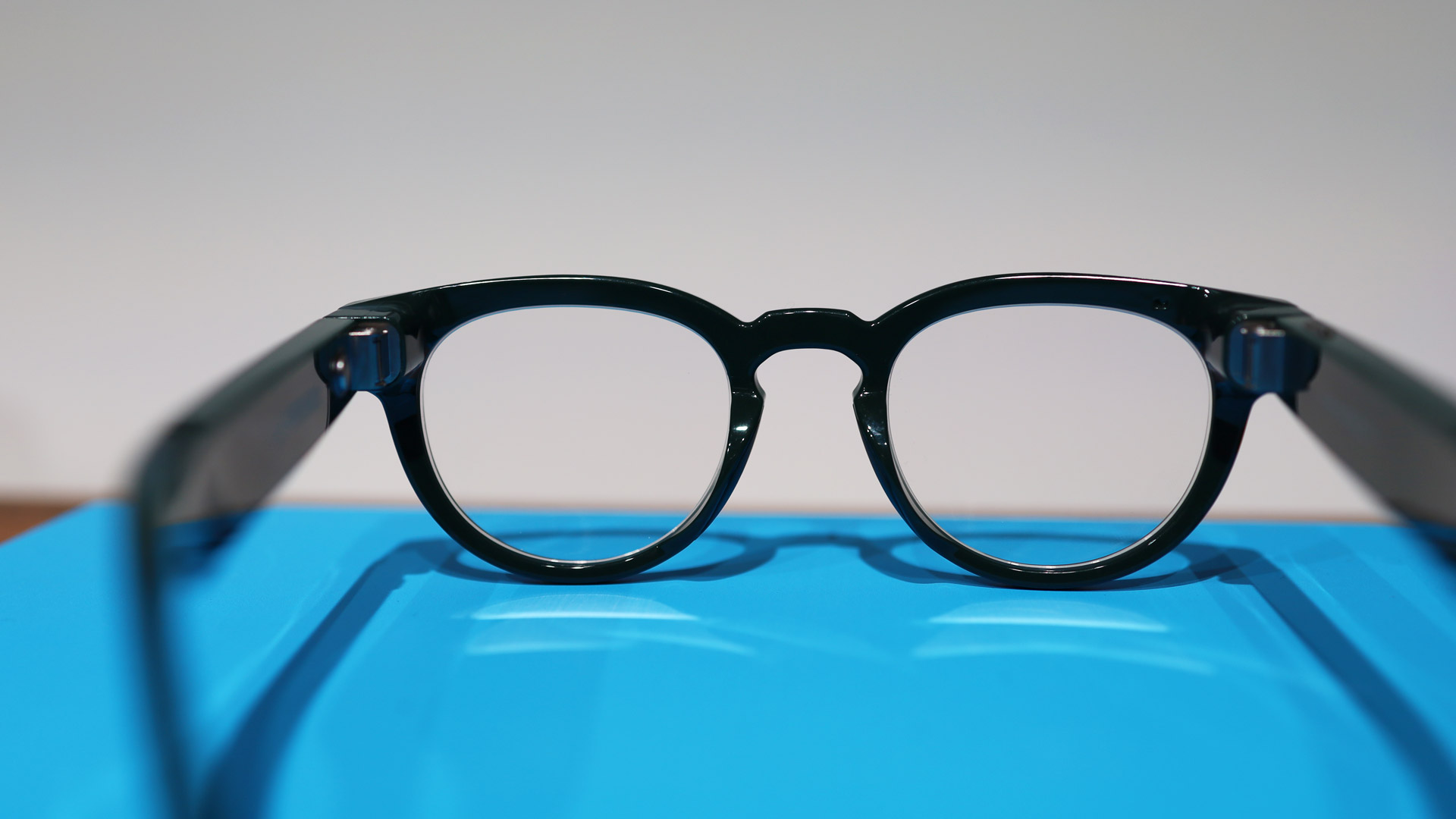
As I picked up multiple frames (but never donned them, mind you), I quickly noticed that the frames, which are filled with, among other things, Qualcomm Snapdragon wearable silicon, are quite lightweight. Also, aside from somewhat larger stems than you'd find on standard glasses, they're pleasingly thin, so that someone looking at you head-on might not initially realize you're wearing smart...er...intelligent eyewear.
There are, however, tells.
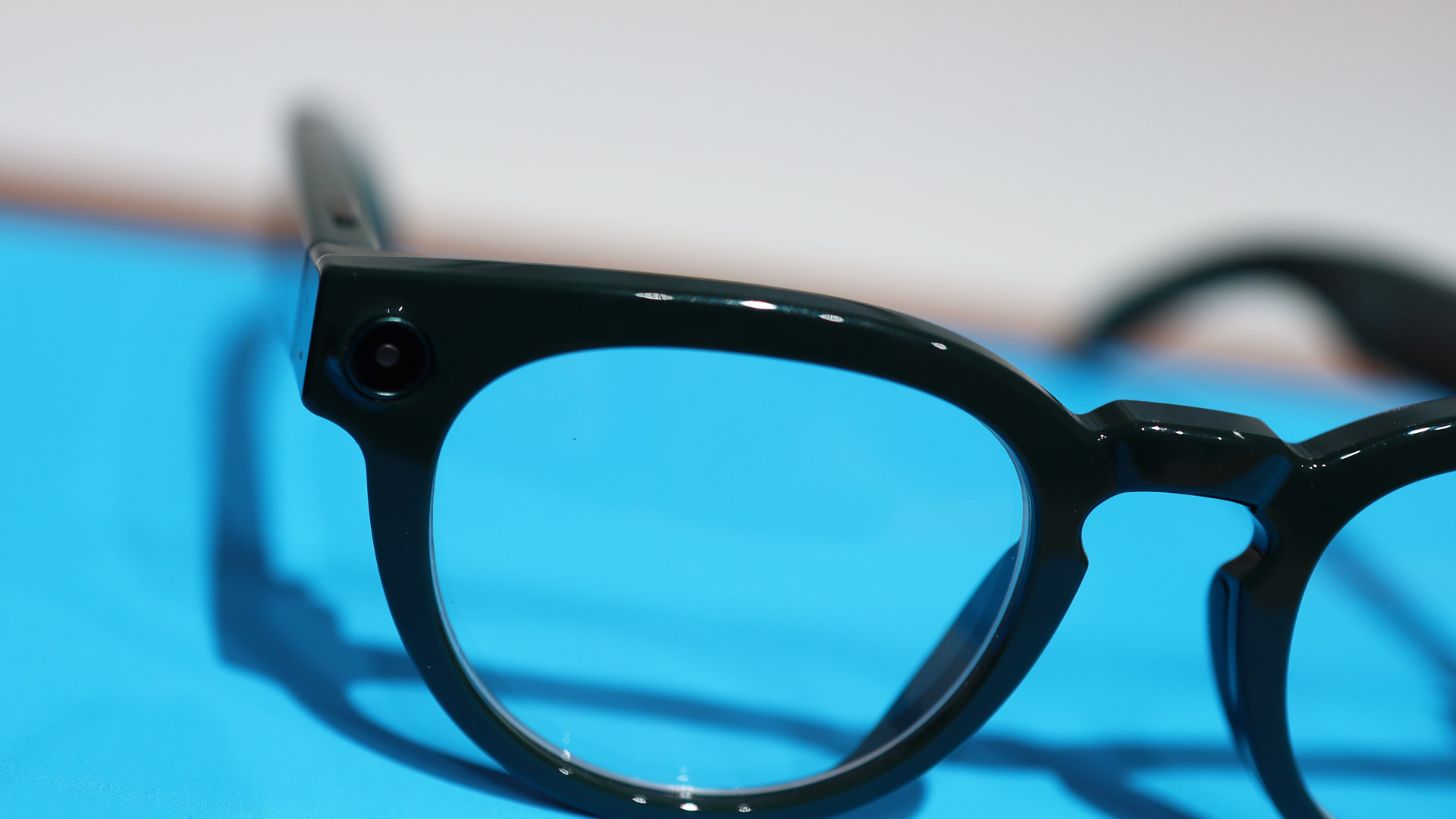
On the front of the frames are a pair of what look like cameras, but only the one on the right is a shooter of indeterminate megapixels (more info Samsung chose not to share), and the one on the left is the critical LED to let people know you're taking photos or videos.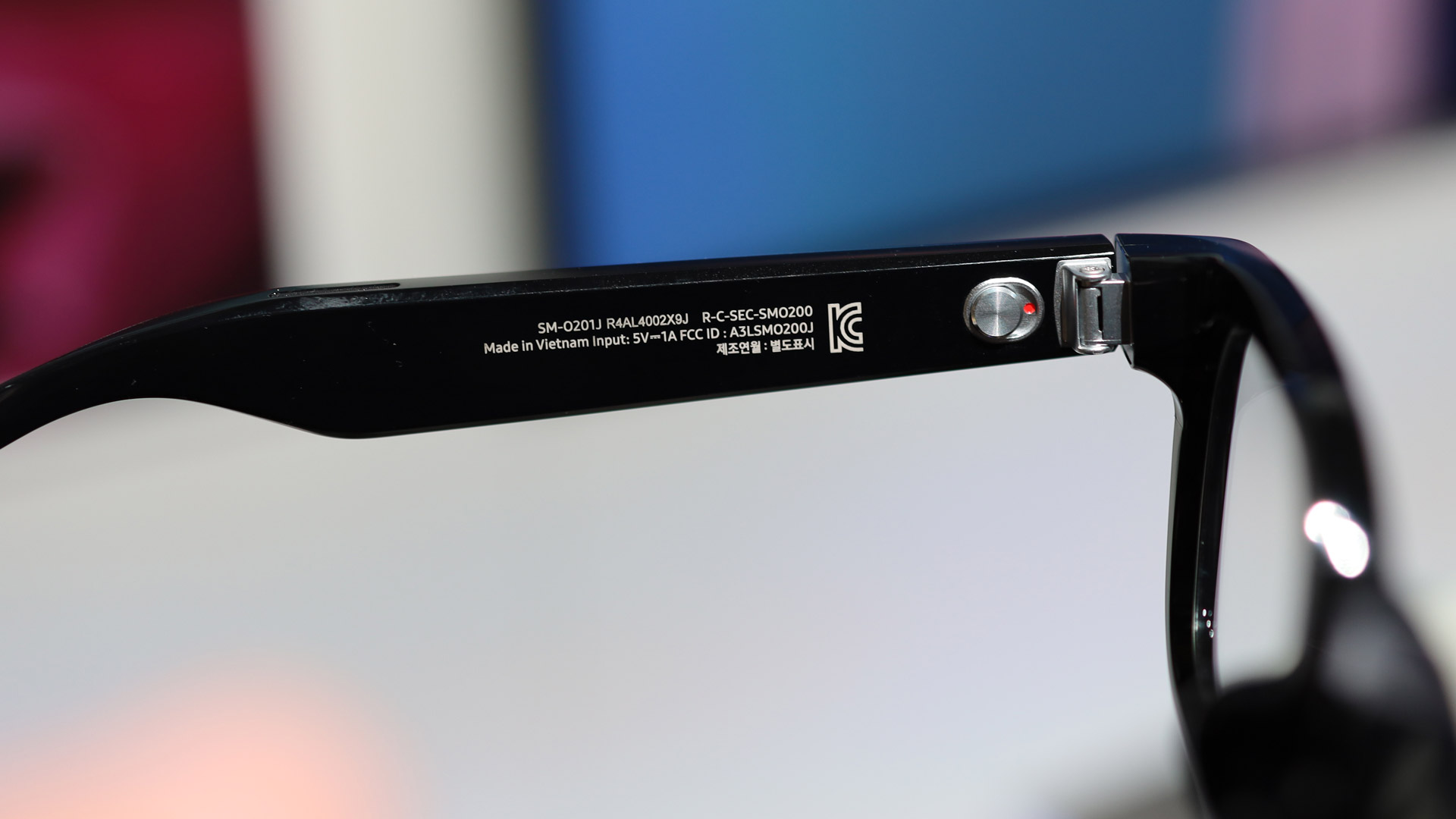
When I flipped the lenses around and looked at the left stem very near the frames, I noticed a large meta switch. Yes, this Intelligent Eyewear appears to feature a large power button, something I have not seen on previous smart frames.
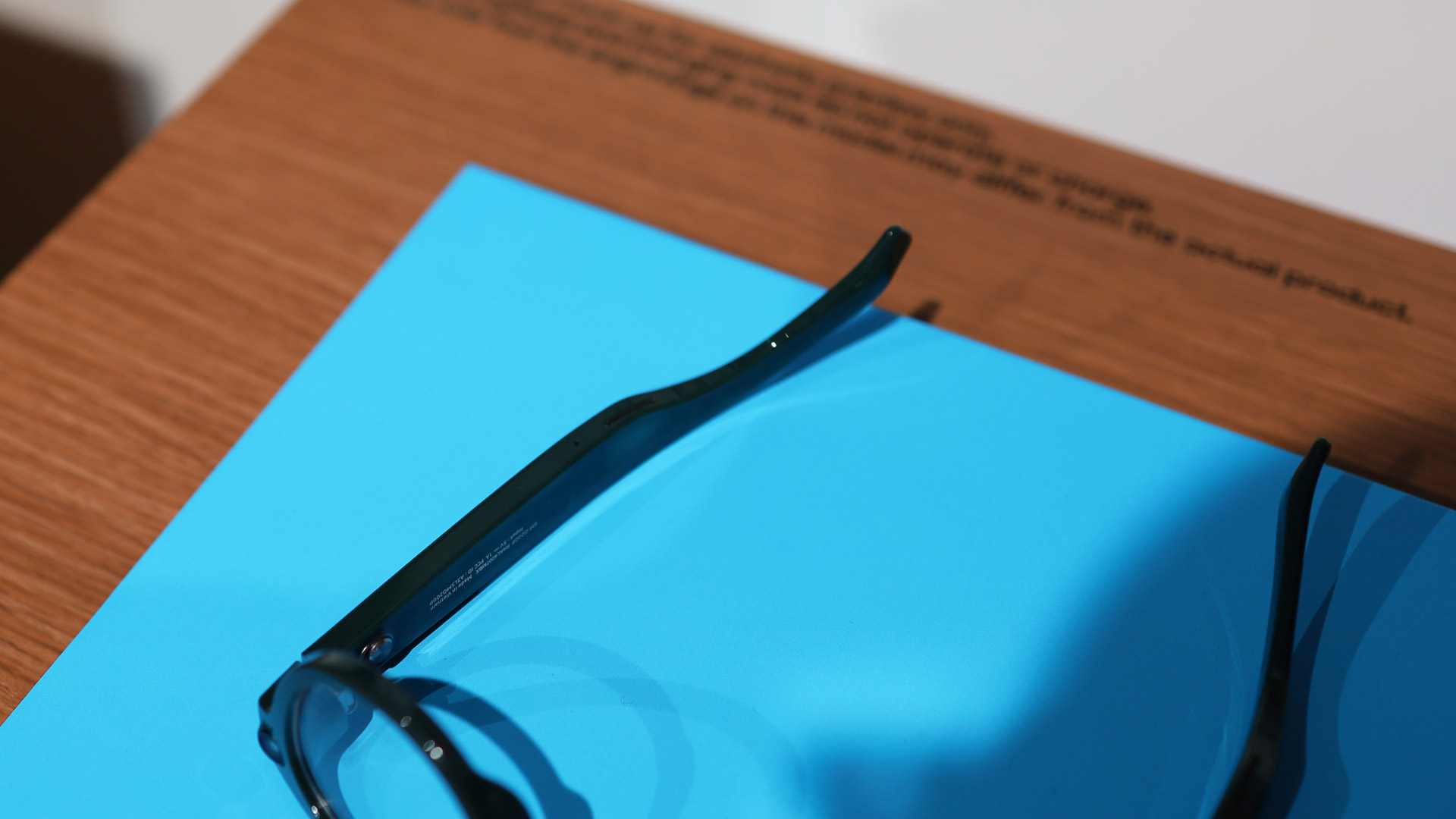
I then flipped the frames over to look at the bottom of the stems where I spotted the stereo speakers (one for each stem) and what appear to be a pair of far-field microphone holes.
There's a single button on the top of one stem that you can use to trigger a photo or video capture or to summon one of the personal assistants. Though I asked multiple times, I was told that there's no gesture recognition for the frames that you could use, say, to lower or raise the audio volume.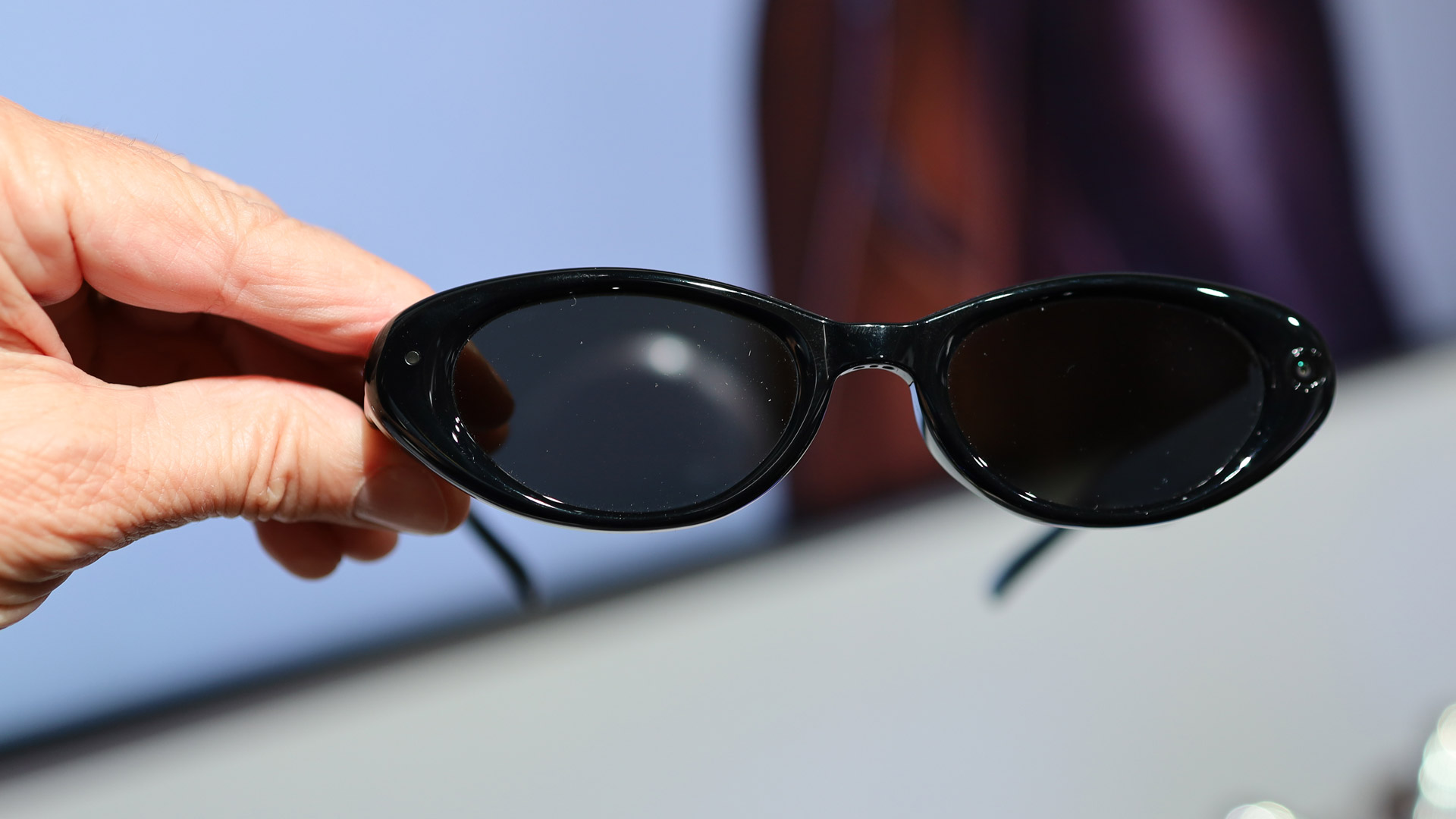
As with other intelligent wearables Samsung has produced with partner Google (see the much more powerful, reality-mixing Samsung Galaxy XR headset), the new Warby Parker and Gentle Monster Intelligent Eyewear put AI access at the center. The notion is that you will use your voice to summon Gemini and have it assist you in a variety of ways. Think having it identify what you're looking at, translate signs and menus in a foreign language, answer general prompts, help you ideate while on the go, give you email summaries, guide you through a recipe, and maybe access your email.
Nestled alongside Gemini is Samsung's Bixby assistant. It has the less-exciting job of, say, accessing phone apps and controlling eyewear features like volume.
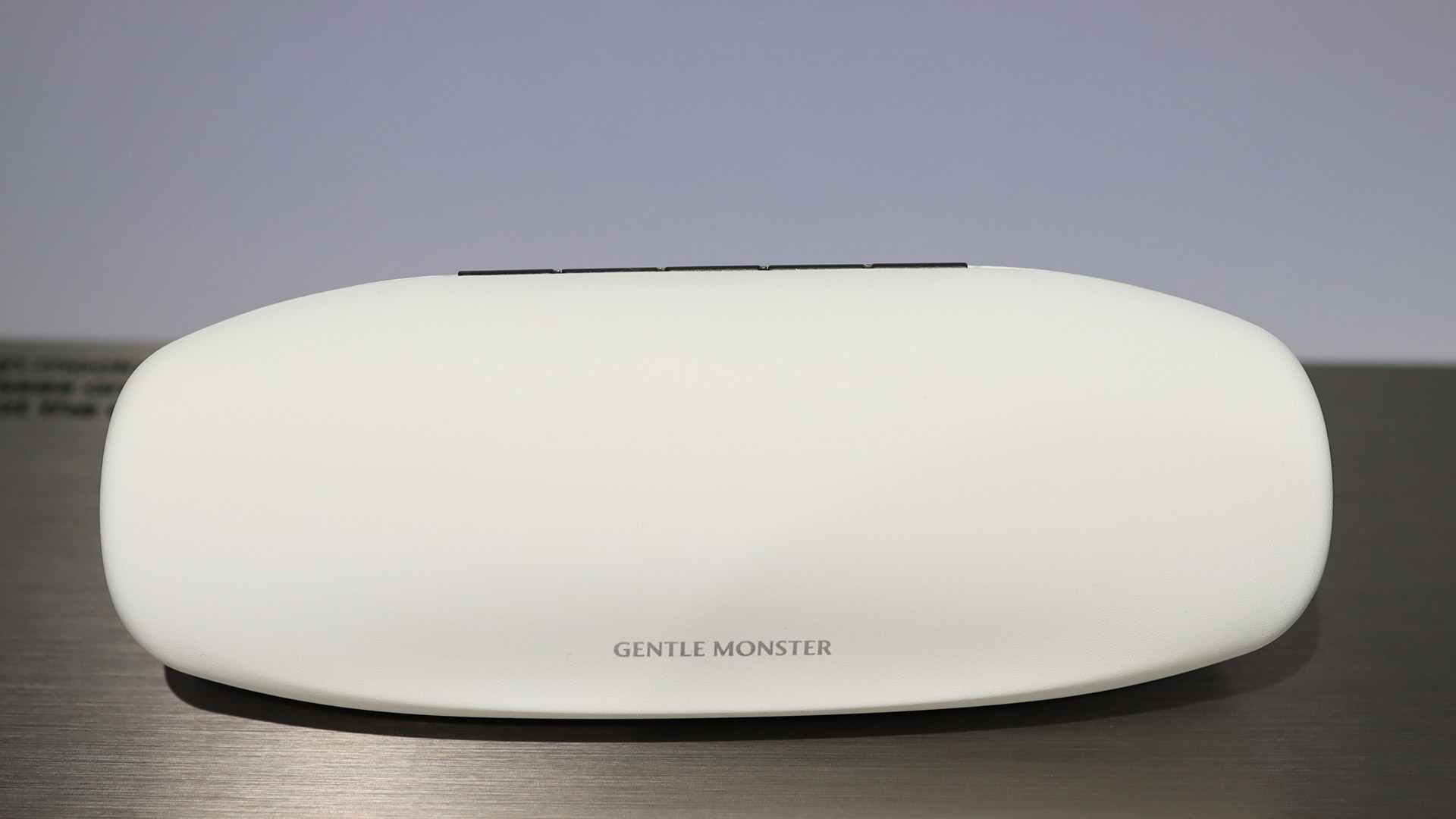
I also got a chance to look at both the Warby Parker and Gentle Monster charge cases, nice white containers that were a bit lighter than the Meta Glasses case I didn't bring with me to the UK because (with the glasses inside) I thought it was too heavy.
Samsung on design choices, limitations, and looming privacy concerns
I can't tell you much about how these frames work, but we did get some useful insight about Samsung's strategy from James Choi, Samsung's Head of XR R&D Team EVP.
One thing Choi made clear is that, for now, these glasses are in no way a replacement for the phone. Part of the issue is the demands of AI processing, which for now are too high to place solely on the Intelligent Eyewear, but, he noted, "We want to extend heavy use of AI on phone to here."
He was also fairly transparent about things they have yet to solve with the frames, like adjustable nose bridge and stems. On the latter, Choi admitted that with regular glasses the stems are highly adjustable, but that's not the case with Samsung Intelligent Eyewear because there's technology and sensors in there.
In fact, when I examined some of the new frames, I noticed I could see through the housing to view some of that stem-based technology. What Choi seemed unaware of, though, is that with the just-released Meta Glasses from Essilor Luxottica, both the stems and nose bridge are adjustable.
Choi also discussed at some length the growing privacy concerns being raised with the entire smart glasses category.
He explained that some of the negative response to the technology is rooted in particular societies and cultures, noting that, in South Korea, with all the public transportation, people are closer and the concerns can be greater.
"Regarding public acceptance, it takes time," he added.
It's by no means a settled issue for Samsung. Choi explained that the company continues to work on what is an important topic for them and indicated that some future innovations in the shape or form factor could impact acceptance.
These concerns, though, are not a reason to end development or stop trying.
"We cannot stay here without innovating this. Intentional bad uses need to be covered and protected. If, because of that, we stop innovation, we don’t go anywhere."
What's coming in the Display Intelligent Eyewear space
Samsung has not forgotten about display lenses, and Choi assured us that they have "something with very good technology better than what’s in the market."
He also acknowledged the challenges and, without mentioning Snap and its recent release of the chunky Specs, the technical challenges of combining displays in a form factor meant to be worn discreetly on the face.
Samsung wants its display glasses to be, as he waved around a pair of the Warby Parker Intelligent Eyewear, “almost near to this form factor.”
It's not just the design that's a challenge. Battery life is a considerable issue (one of the reasons why display lenses still tend to be so thick). "If we publish display glass, we want to promise a certain level of daily use… really tough. We’re working on it."
Share
What's Your Reaction?
 Like
0
Like
0
 Dislike
0
Dislike
0
 Love
0
Love
0
 Funny
0
Funny
0
 Angry
0
Angry
0
 Sad
0
Sad
0
 Wow
0
Wow
0