Windows 11 is now 5 years old — and for the first time this decade, I think Microsoft's finally onto a winner with the OS
Windows 11 got off on the wrong foot, but Microsoft has recovered strongly this year with the fix the OS campaign — and more besides.

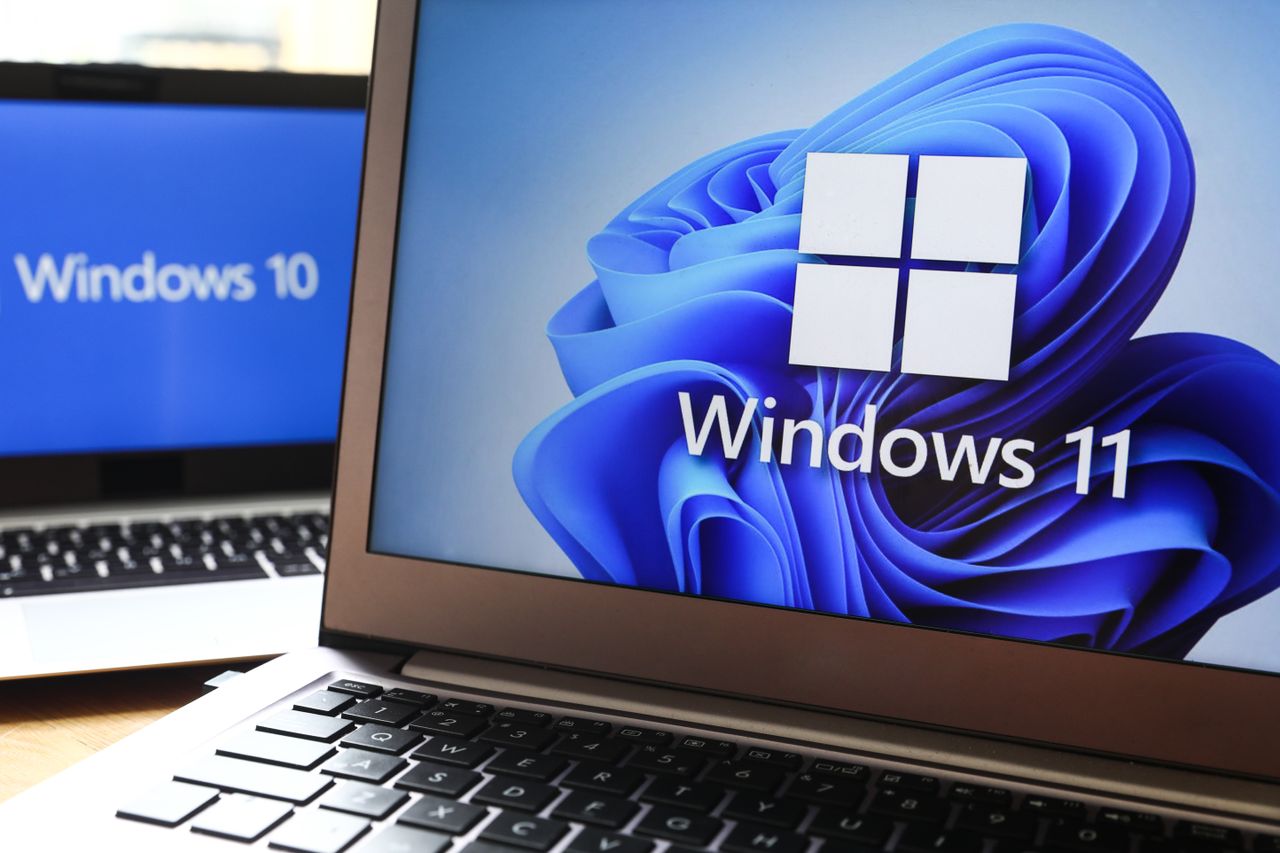
Can you believe that it's now half a decade since Windows 11 was revealed? The operating system was first announced by Microsoft at a press event on June 24 back in 2021 (although the OS was leaked just before that, in typical fashion).
Five years ago today we were told that Windows 11 was inbound as a free upgrade for all Windows 10 users — but there was no stampede to adopt it, that's for sure (and the hardware requirements certainly didn't help the cause).
It wasn't until July 2025 that Windows 11 overtook Windows 10 as the dominant version of Microsoft's desktop OS according to Statcounter's figures, but it now holds a comfortable majority of over 70% of that market. As it should do, considering Windows 10 ran out of support last October (and only has a few months of extended support left).
However, putting aside the sluggish pace of adoption and the various problems that have plagued Windows 11 through the years (all the bugs and some notably missing features in the main), I think there's now cause for optimism for the future of Microsoft's operating system.
So, let me share my thoughts and reflect on what has been a half-decade of Windows 11, and tell you why I'm way more positive about the OS than I was last year — and why I think that Microsoft is finally on track (with, of course, some inevitable caveats).
The great fix-athon
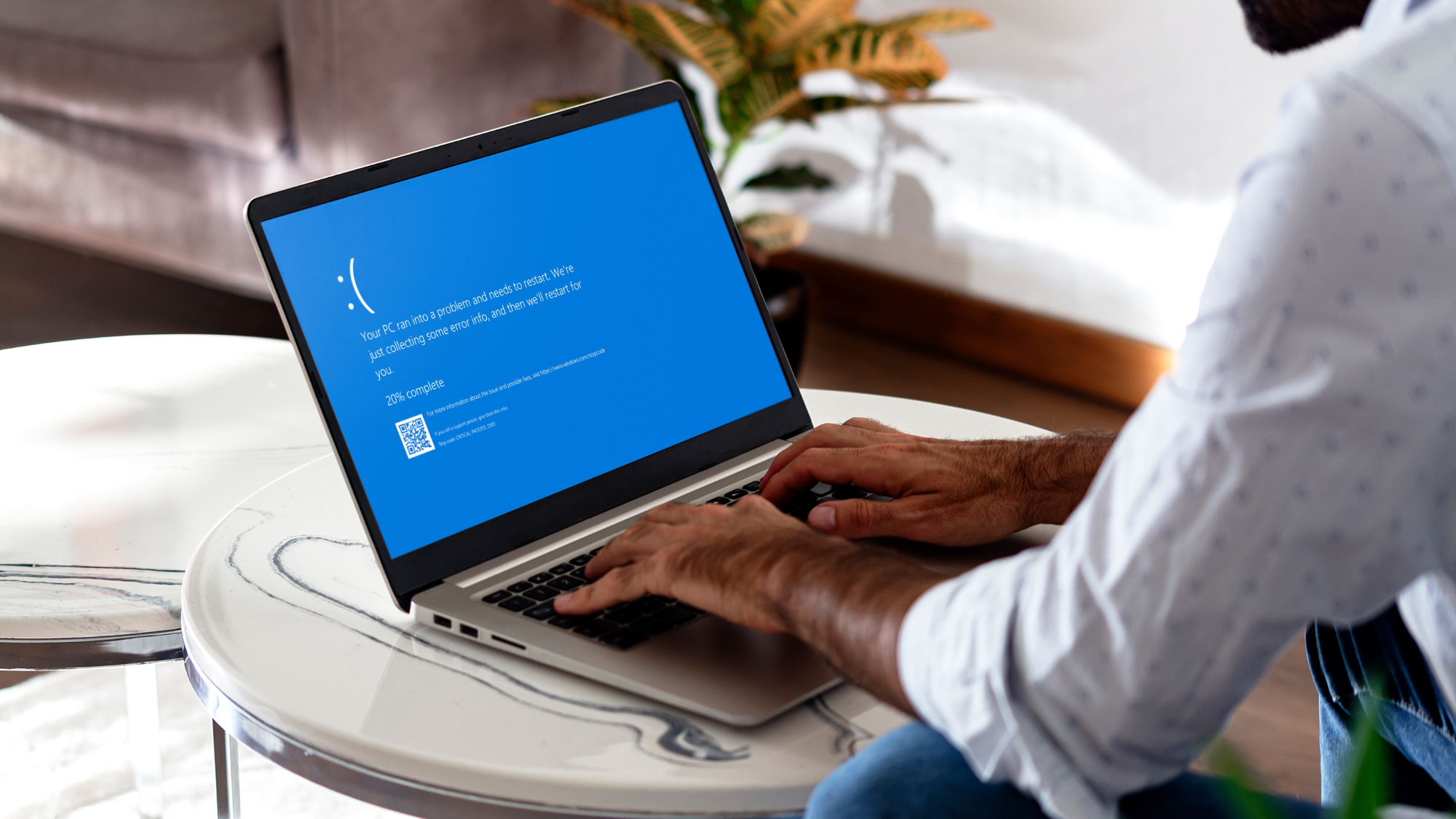
Most of my hopefulness about where Windows 11 is heading comes, of course, from the big campaign Microsoft kicked off in March 2026 to fix Windows 11. Since that announcement — which I would say is the biggest statement to have been made since the OS was first announced in 2021 — Microsoft has very much proven that it intends to tackle all sorts of shortcomings and pain points with the OS.
Taskbar repositioning? We've got it. A much greater level of Start menu customization? Check. Spam removed from Windows search? Yep. More control over Windows updates? Certainly, and in fact way more control than I'd have ever believed might happen, including the ability to put off an update indefinitely, should you wish, on Windows 11 Home.
In fact, Microsoft has hit many wish-list features that I never expected would come to Windows 11, and the extent of the crowd-pleasing measures so far is heartening. These are features that are actually being delivered already, too, they're not just promises.
Furthermore, Microsoft appears to be listening to feedback and requests more closely, and generally engaging more with the community online. There's even a new initiative consisting of a research panel where Microsoft will consult testers directly on how to change aspects of Windows 11.
This genuinely feels like a fresh direction for Microsoft, and a serious commitment to change Windows 11 for the better based on what the users themselves actually want.
A more thoughtful, cautious approach
The other key driver for optimism with Windows 11 is the way in which Microsoft is taking more care over how the operating system is developed and coded.
Not so long ago, matters were less organized and more chaotic. Cast your mind back to the introduction of Qualcomm's Snapdragon X (Arm-based) chips in Copilot+ PCs back in 2024, alongside which Microsoft brought in a new underlying platform for Windows 11 (complete with the tinkering required to support that Arm silicon). While nothing was ever officially admitted, this is a move that I believe could have at least contributed to the mess that was the 24H2 update, which was laden with a ton of (sometimes very annoying) bugs.
Whatever the case in terms of how those glitches came to be, things have changed a lot since then. Microsoft is now being a lot more cautious with its Arm and x86 strategy — Windows 11 is split into two development paths, with the 26H1 update for Arm devices, and the 26H2 update for traditional x86 PCs — and the company has switched to use a fresh approach for these annual updates.
Instead of big annual updates — the last of which was the problematic 24H2 — Microsoft is now deploying small 'enablement packages', essentially very minor bumps to a new version of Windows 11. The actual features, the meat of Windows 11 changes, are pushed out in monthly updates as and when they're ready — in sometimes quite tightly controlled, carefully paced rollouts. This more gradual drip-feed of features is a more reliable method of deployment compared to dropping a lot of stuff all at once.
In short, Microsoft has learned its lesson from the nightmarish 24H2 release, which suffered from far too many bugs, to take on a fresh new way of operating. True, there will still need to be big updates at times, when the underlying codebase of Windows 11 has to be changed (quite possibly with 27H2). But it looks like Microsoft wants to mainly stick to compact, easily applied annual updates in the main, with features pushed out elsewhere in general.
Optimism abounds — with a notable catch

Between the ardent push to fix Windows 11 and the better thought-out deployment of features and updates, Microsoft has come a long way, but as I mentioned before, there are caveats here.
It's worth mentioning that while the new system of continual feature deployments, rather than weighty annual feature drops, is commendable (in my opinion), the controlled rollouts of these various features have come in for some criticism. Mainly because they are so cautious in some cases that something like the Start menu revamp (the one from last year, I should clarify, not the current work) took ages for some Windows 11 users to get, and those folks found that rather frustrating.
Part of that caution is likely down to Microsoft's paranoia around bugs, and sadly, the truth is that there are still too many bugs in Windows 11, and some of them are disappointingly weird. And by disappointing, I mean odd things that just shouldn't be happening.
I only need glance back to last weekend for one such example where there was a glitch with the Recycle Bin whereby the delete confirmation dialog (when junking a file from the bin) showed the internal file name instead of the proper name. While this only applied to the dialog box — so it was hardly an important or dangerous glitch — it was confusing some people, and more to the point, this sort of thing shouldn't be happening in the release version of an operating system.
This kind of bizarre slip-up also leads to folks blaming AI for being involved in Windows 11 coding. And while there is absolutely no evidence for that, it's the very nature of the strange bug that means people will easily jump to these conclusions when Microsoft has previously admitted AI is used to quite an extent in programming its software.
Whatever's at fault, Microsoft still needs to have better processes in place to catch these kinds of glitches, and other more critical bugs which have turned up in Windows 11 this year.
One thing I've called for in the past is a commitment from Microsoft to confirm that it's addressing its quality assurance processes, and improving bug squashing, and this is a notably missing part of the fix Windows 11 campaign. A vital part, in fact, I'd argue, for better stability going forward which is one of the big overarching goals (alongside better performance, and those crowd-pleasing feature additions).
Still, all in all, I've got to underline that right now, I'm as optimistic about Windows 11 as I've ever been. If Microsoft can tackle the bug blot on the OS landscape, and keep on listening to users — and its new research panel of testers from the community — Windows 11 could be in great shape come next year.
Share
What's Your Reaction?
 Like
0
Like
0
 Dislike
0
Dislike
0
 Love
0
Love
0
 Funny
0
Funny
0
 Angry
0
Angry
0
 Sad
0
Sad
0
 Wow
0
Wow
0