Why human-centric displays matter in the screen-first workplace
How smarter, more user-focused display technology can better support work and play.

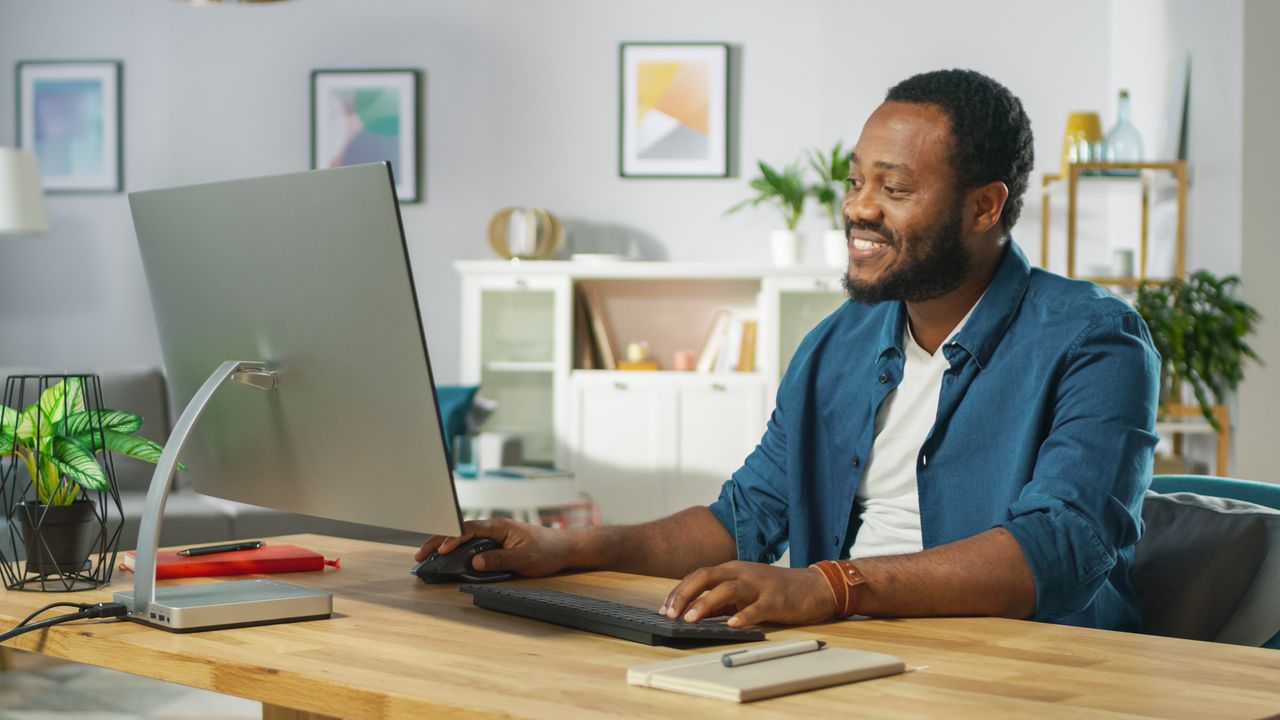
As work becomes increasingly digital, it’s also becoming more visual. The average adult now spends approximately 7-10 hours per day looking at screens, demonstrating our increased reliance on visual technology for daily tasks and work.
Healthy Vision Month is an important time to revisit the intersection of workplace trends, technology and digital wellness.
As people spend more of their day engaging with screens, there’s an increased focus on how screen experiences can influence comfort, focus and productivity – and what that means for the future of workplace technology.
That opens the door to an interesting question: how will technology evolve to better support the way people naturally work?
As someone deeply invested in the future of visual technology, I’ve seen firsthand how quickly innovation is reshaping the way people work. At the same time, there’s growing awareness that the tools we use every day should not only help us work more efficiently, but also support comfort and wellbeing throughout the day.
In this piece, I’ll explore how smarter, more user-focused display technology can better support the way people work and live - from automatically adjusting brightness and color to features that help reduce eye strain and improve comfort during extended use.
Why digital wellness is becoming a core design principle in display technology
As screen engagement increases across work and personal life, digital fatigue is becoming a growing concern for both employees and organizations. While various factors contribute to digital fatigue, one’s tools and technology stack shouldn’t be a primary cause. In my role, I practice the philosophy for display innovations to be built around a simple but powerful idea: the screen should adapt to the user, not the other way around.
Across the industry, including at Lenovo, this philosophy is influencing how the next generation of display technology is being designed. Displays are evolving beyond passive screens into smarter tools intended to support healthier and more sustainable work environments.
This is reflected in features that address common user challenges, from eye fatigue to discomfort during extended work sessions. Technologies such as adaptive brightness, low blue light settings and intelligent color optimization can help reduce visual discomfort while creating a more seamless and personalized viewing experience.
When these features are a core design principle to building business monitors, we’re making progress in designing tools that reduce discomfort without compromising performance.
How AI is enabling displays to respond to human needs in real time
As AI tools and ambient technologies evolve, screens remain central to how people navigate complex, creative and collaborative work. In fact, Futurum reports that enterprises are shifting their budgets towards investing in personal computers (PCs) over the next year to capitalize on AI-enabled devices.
At the same time, Deloitte research highlights that organizations taking a purely tech-focused AI approach are 1.6 times more likely to not realize returns on AI investments, compared to organizations taking a human-centered approach.
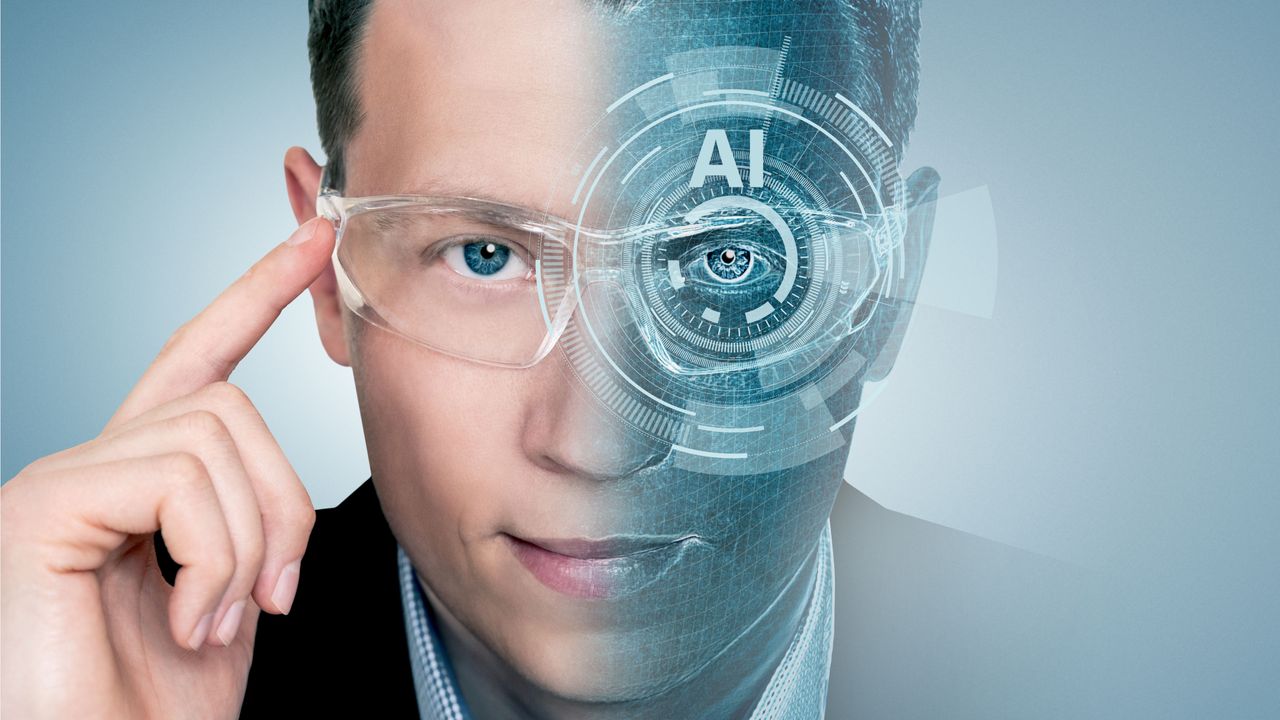
What this signals is that the future of AI in the workplace cannot be focused solely on processing power or automation; it also needs to improve the everyday user experience. In visual technology, that means designing displays that can respond more intelligently and intuitively to how people actually work, helping support comfort, focus and productivity in real time.
While screen time becomes more integral to how we work and think, AI’s role in visual technology will continue to grow to make our monitors smarter and more personal.
For example, embedded wellness features may provide reminders to adjust posture during extended work sessions, while technologies that measure gaze duration and blinking frequency can help users better manage eye fatigue and create more personalized work setups.
Together, these innovations are helping transform monitors from passive work tools into more responsive and supportive technologies.
As businesses look to increase their investments in AI-enabled devices, monitors will continue to be an important interface for AI to enhance user experiences.
What this means for productivity, creativity and reducing burnout in a screen-first economy
In today’s always-connected work culture, wellness can no longer be viewed as separate from productivity as it increasingly shapes how people evaluate the technology they use every day.
McKinsey found that 84% of US consumers now consider wellness a “top” or “important” priority, while 42% of Gen Z and millennials say mindfulness is a “very high priority.”
Together, these trends reflect a broader shift in workplace expectations, particularly among younger generations, leaning toward technologies that better support focus, balance and long-term wellbeing.
From my perspective, this is changing expectations around technology entirely – whether for work or play. At work, employees want tools that feel intuitive and responsive to their natural workflows, rather than systems that add friction or contribute to fatigue.
As AI-driven workflows and screen engagement continue to increase, organizations are beginning to recognize that long-term performance depends not only on efficiency, but on how sustainably employees can work and create throughout the day.
This is where smarter display technology can play a meaningful role when they’re designed to adapt more intelligently to user preferences and enable seamless experiences. Over time, these seemingly small improvements can meaningfully shape how people focus, collaborate and maintain creative energy throughout the workday.
In a screen-first economy, the future of workplace technology will increasingly center on balancing productivity with well-being.
In Conclusion
As Healthy Vision Month reminds us, digital wellness is becoming an increasingly important part of the workplace technology conversation.
Displays are evolving into adaptive, human-centric tools that can help people stay focused, comfortable and creative in a world where screen engagement continues to grow. Looking ahead, the most impactful technology will be the tools that work more naturally along human needs and deliver value through comfort and wellness.
This article was produced as part of TechRadar Pro Perspectives, our channel to feature the best and brightest minds in the technology industry today.
The views expressed here are those of the author and are not necessarily those of TechRadarPro or Future plc. If you are interested in contributing find out more here: https://www.techradar.com/pro/perspectives-how-to-submit
Share
What's Your Reaction?
 Like
0
Like
0
 Dislike
0
Dislike
0
 Love
0
Love
0
 Funny
0
Funny
0
 Angry
0
Angry
0
 Sad
0
Sad
0
 Wow
0
Wow
0