What is the Codex Micro? OpenAI's first hardware gadget explained
Confused about what the point of the Codex Micro is? Here's everything you need to know, including how it's been received by the target audience of coders.

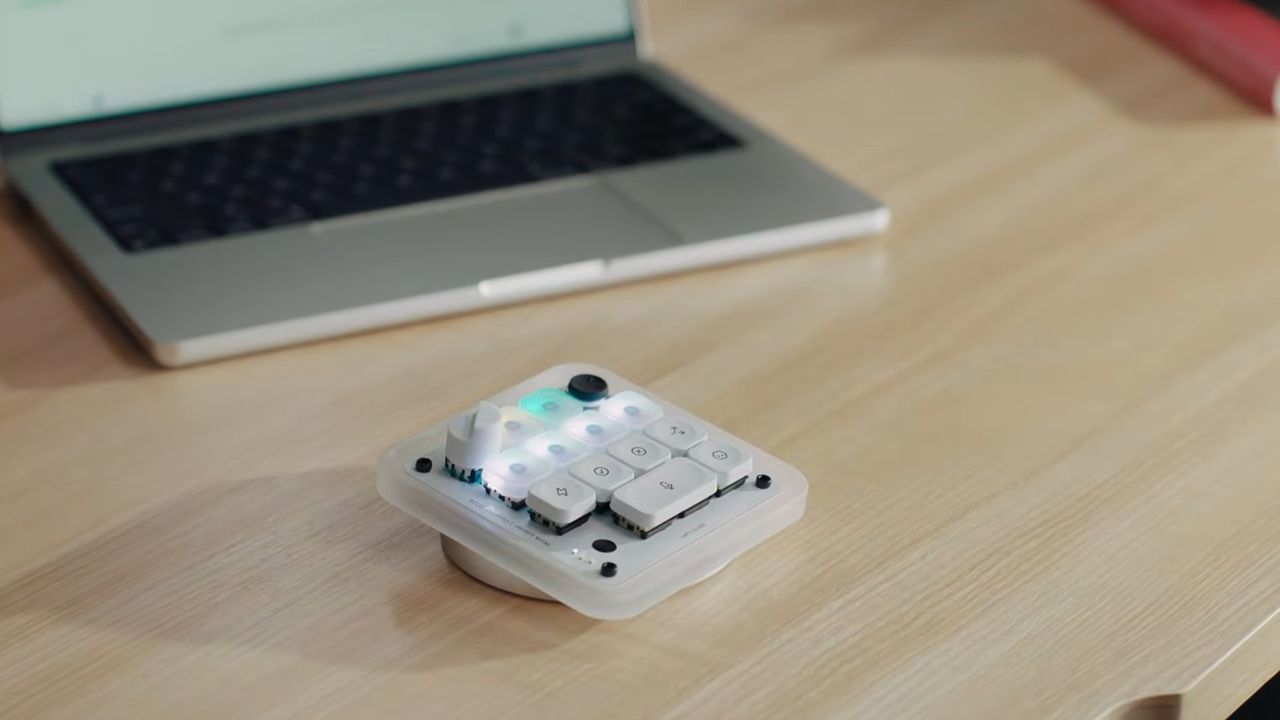
OpenAI has officially launched its first piece of hardware, and it's called the Codex Micro. It might sound like a retro computer in a Dan Brown book, but the Codex Micro is actually a very compact keyboard for coders.
How does that work? In this article we're going to dive into exactly what the Codex Micro is, and the point of the device, as well as how it aims to make life easier for programmers – and then we'll come on to the reaction of those coders (hold onto your hats, folks).
What is the Codex Micro?
As already mentioned, it's a keyboard, but a keyboard with a very specific purpose. OpenAI produced this peripheral in conjunction with Work Louder, and it's actually a tiny keyboard – more of a keypad, if you will, or a 'macropad', in the same vein as pads that Work Louder has produced before, like the Creator Micro 2 – made for coders who are using Codex.
What's Codex? It's OpenAI's coding agent which can assist humans in writing programs, tackling debugging tasks, or indeed writing code from scratch prompted by simple natural language instructions (vibe coding, as it's known).
What does the Codex Micro do exactly?
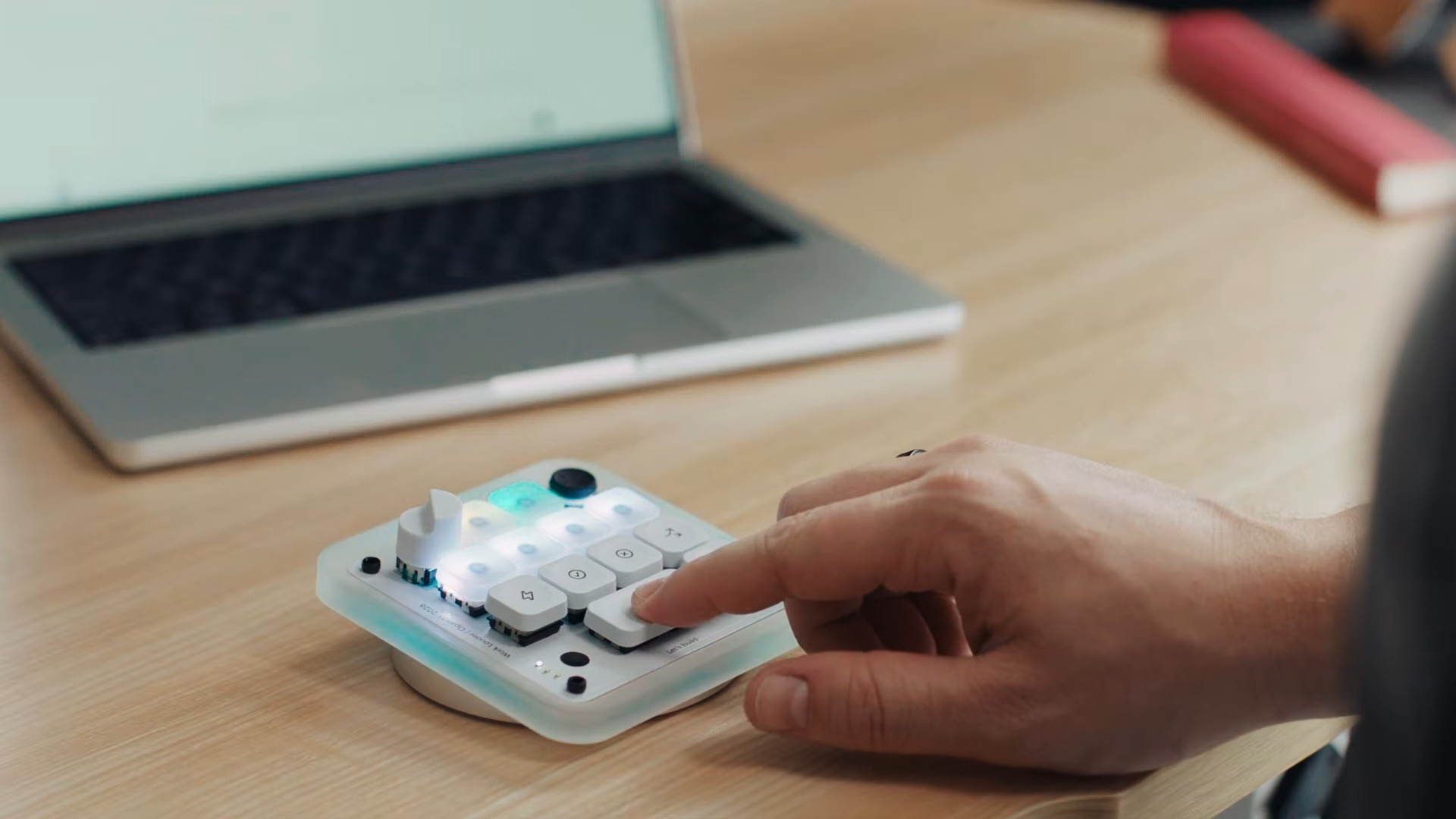
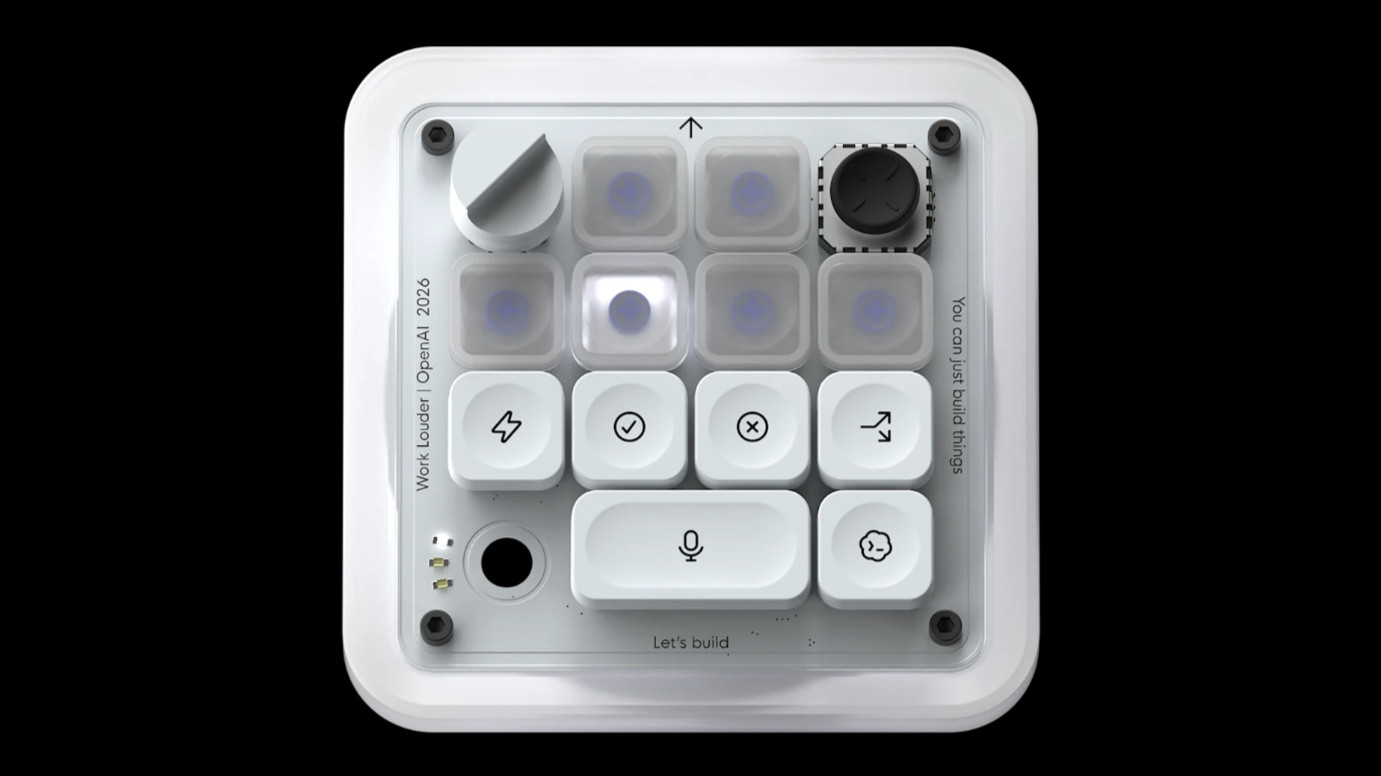
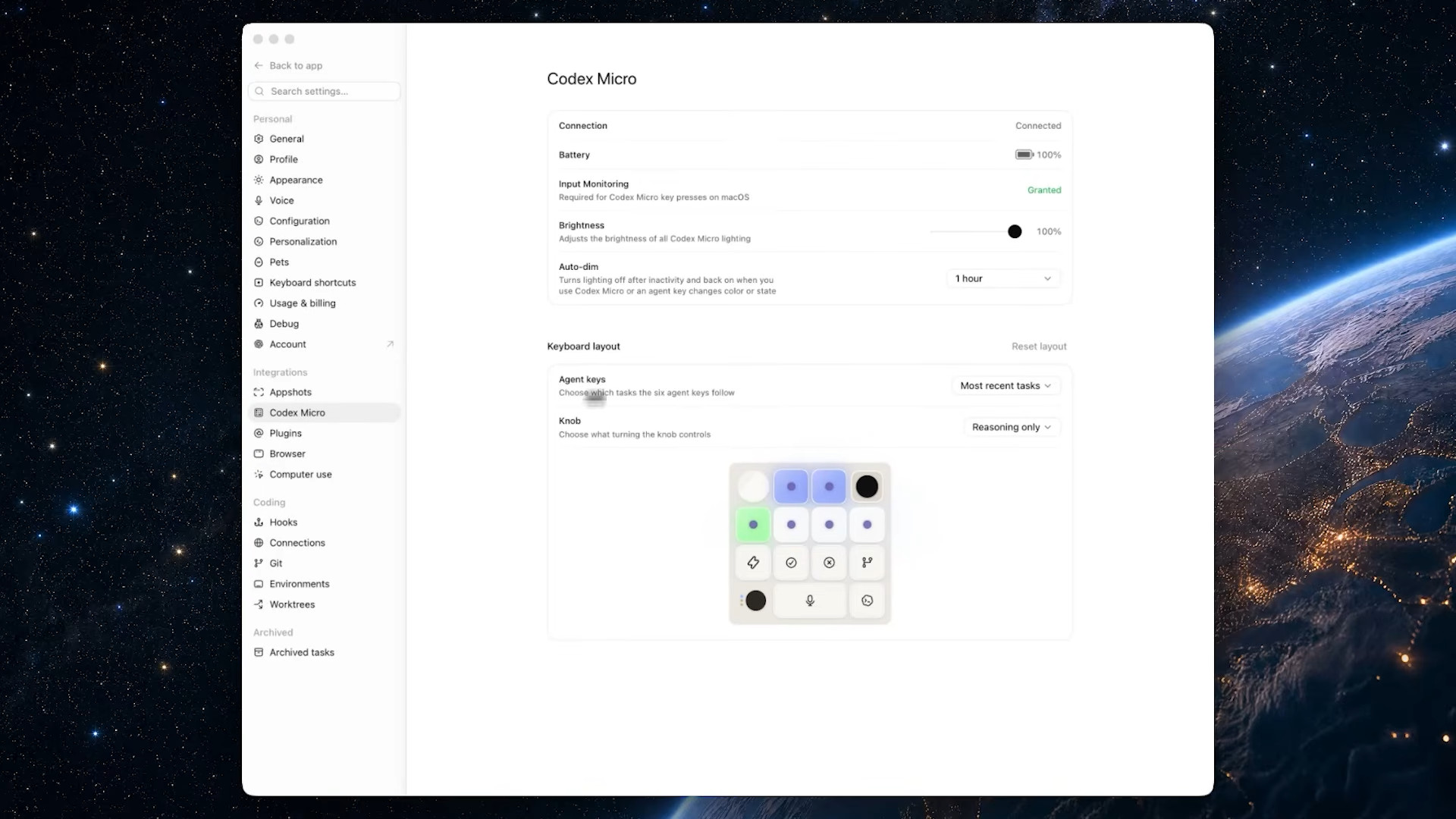
The idea with the Codex Micro is that you have a compact keyboard that easily allows you to switch between coding tasks (agents) with dedicated keys that have RGB lights to indicate their status at a glance. If there's an unread chat, you see a green light, or an orange one if user approval is needed, and so on.
There are other keys for voice dictation (hold and talk to give instructions – there isn't a built-in mic, by the way, this is triggering your laptop's microphone), a dial to adjust the reasoning level or how deeply the AI agent is thinking (though it can be changed to modify other options), and a joystick that you can map to what you need. The entire keyboard is fully customizable, it should be noted.
All of this is designed so that coders can quickly give instructions, see what's happening with agents and tasks at a glance, and swiftly switch between them, making changes in an easy and convenient way.
Who will buy the Codex Micro?
Obviously enough, coders who use Codex are the target audience. Think of it this way: if Codex is a faster way of coding, OpenAI wants the Codex Micro to be a further hardware-based speed boost to this whole process.
It costs $230 in the US (around £170, AU$330), although it isn't yet in stock, and clearly this isn't a consumer-oriented device.
However, OpenAI does have plans for consumer hardware. If the rumor mill is to be believed, it could have a wearable in the works – or indeed a smart speaker, going by more recent speculation. According to Bloomberg's Mark Gurman, this will be a smart speaker that uses mechanical elements to create a "sense that it is alive" and it'll tap your emails and other personal data to better "understand" you. Sounds frightening, right? Truly scary. It is, however, just a rumor.
What's the general reaction to the Codex Micro from programmers?
That smart speaker I just mentioned has already prompted a good deal of antagonistic reaction, and looking at the posts about the Codex Micro, it isn't faring much better than that rumored creation.
Notably there are a number of Redditors who are questioning whether this is April 1, and some kind of joke. There's quite a lot of shoulder-shrugging going on, or observations that you can easily buy a cheap macropad and DIY your own solution along these lines for a tenth of the price OpenAI is charging. Or indeed that there could just be a simple phone app version of this product (with on-screen buttons and sliders).
As one Redditor puts it: "Yeah it's like every big tech product now. Instead of a full keyboard, it's just 12 keys, and it's $230. It honestly feels like a prank and not a real product."
Others feel this is something that serious coders won't touch with a ten-foot pole. And I can't count the number of 'it looks like they asked ChatGPT to design a great product and ran with it' comments which are on Reddit.
Thus far, then, the reaction has been roundly negative from the target market. There are hardly any posts saying, 'I'm going to buy this', and there is a lot of disbelief being expressed at the price tag attached (even among the thin ranks of the interested parties).
The broader idea might be for OpenAI to test the hardware waters with a kind of initial practice launch here, ahead of the bigger consumer product that's coming, whether it's a smart speaker or wearable (maybe both). Although if so, quite why the price of the Codex Micro is pitched so high is a bit of a headscratcher – or maybe that's a test of sorts, and a sign of things to come, as well?
Share
What's Your Reaction?
 Like
0
Like
0
 Dislike
0
Dislike
0
 Love
0
Love
0
 Funny
0
Funny
0
 Angry
0
Angry
0
 Sad
0
Sad
0
 Wow
0
Wow
0
.jpg)