This is why Samsung built the Galaxy Z Fold 8, a passport-sized foldable that sets ‘the new standard for viewing content’
We got an early, up-close look at the all-new Samsung Galaxy Z Fold 8, which led to some questions for Samsung's executives.

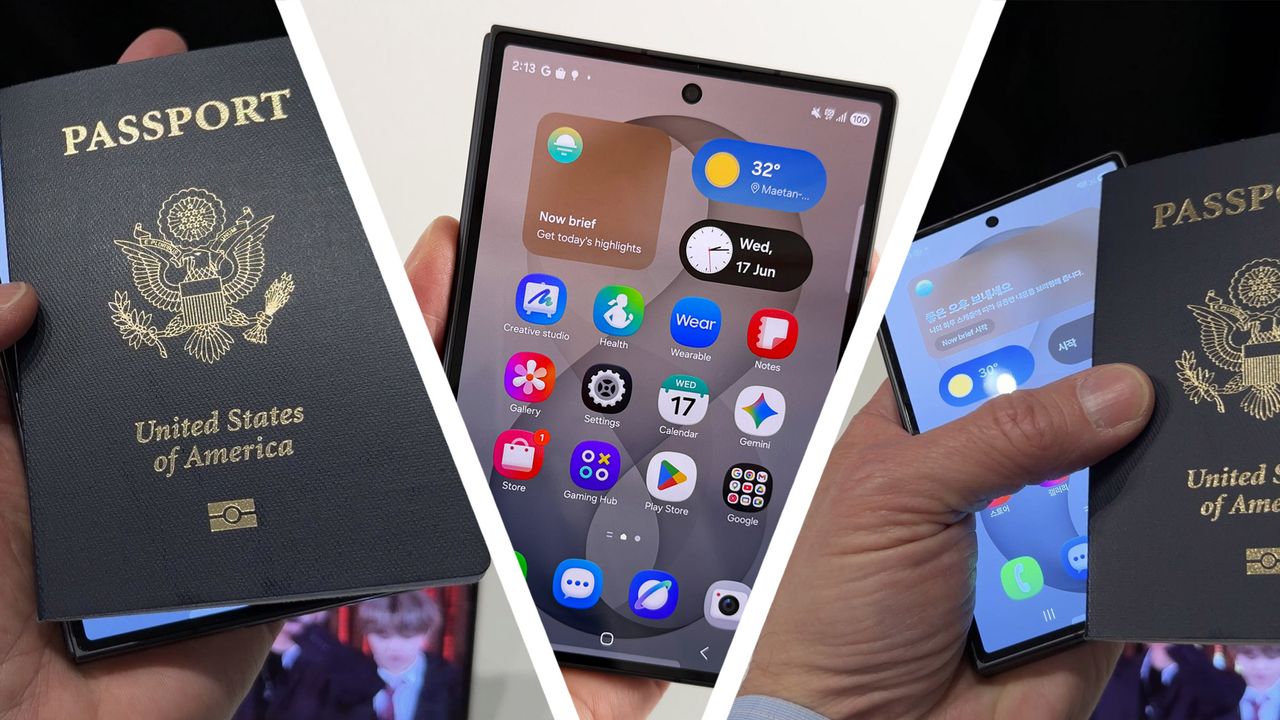
If you thought the whole point of a foldable smartphone with multiple screens was that “one size does not fit all,” then you were only half right. It seems that we’re rapidly entering the era of multiple foldable phone size choices with — no surprise — Samsung in the lead.
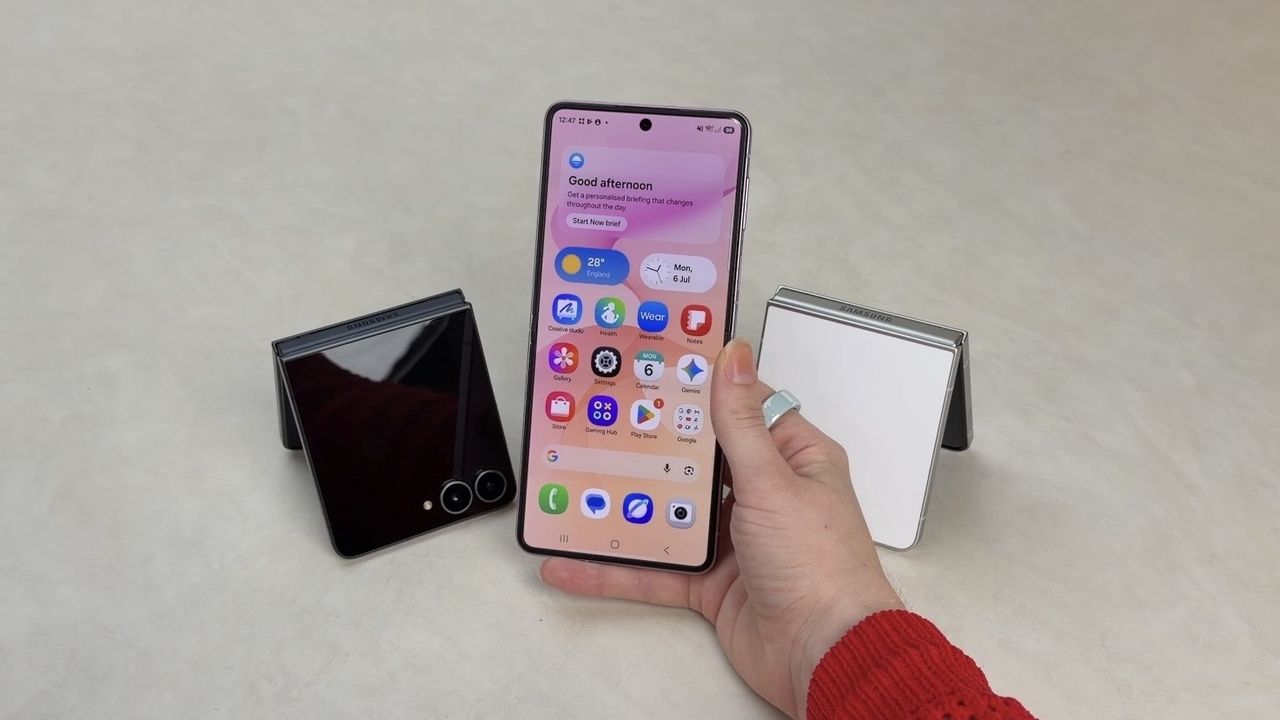
That’s just one reason why now, in addition to the Samsung Galaxy Z Flip 8 and the Galaxy Z Fold 8 Ultra, we have the unusually proportioned Samsung Galaxy Z Fold 8, a flexible smartphone that, when folded closed, is quite close to the dimensions of a passport. All three of the new devices were officially unveiled at Samsung Galaxy Unpacked on July 22, and you can read our first impressions in our Galaxy Z Fold 8 Ultra preview and Galaxy Z Fold 8 preview.
After Samsung flew me out to visit its factories, meet its executives, and see these new foldables in person, I must’ve asked a dozen times: Why did you make this? Who is it for? I expect you'll be wondering the same thing.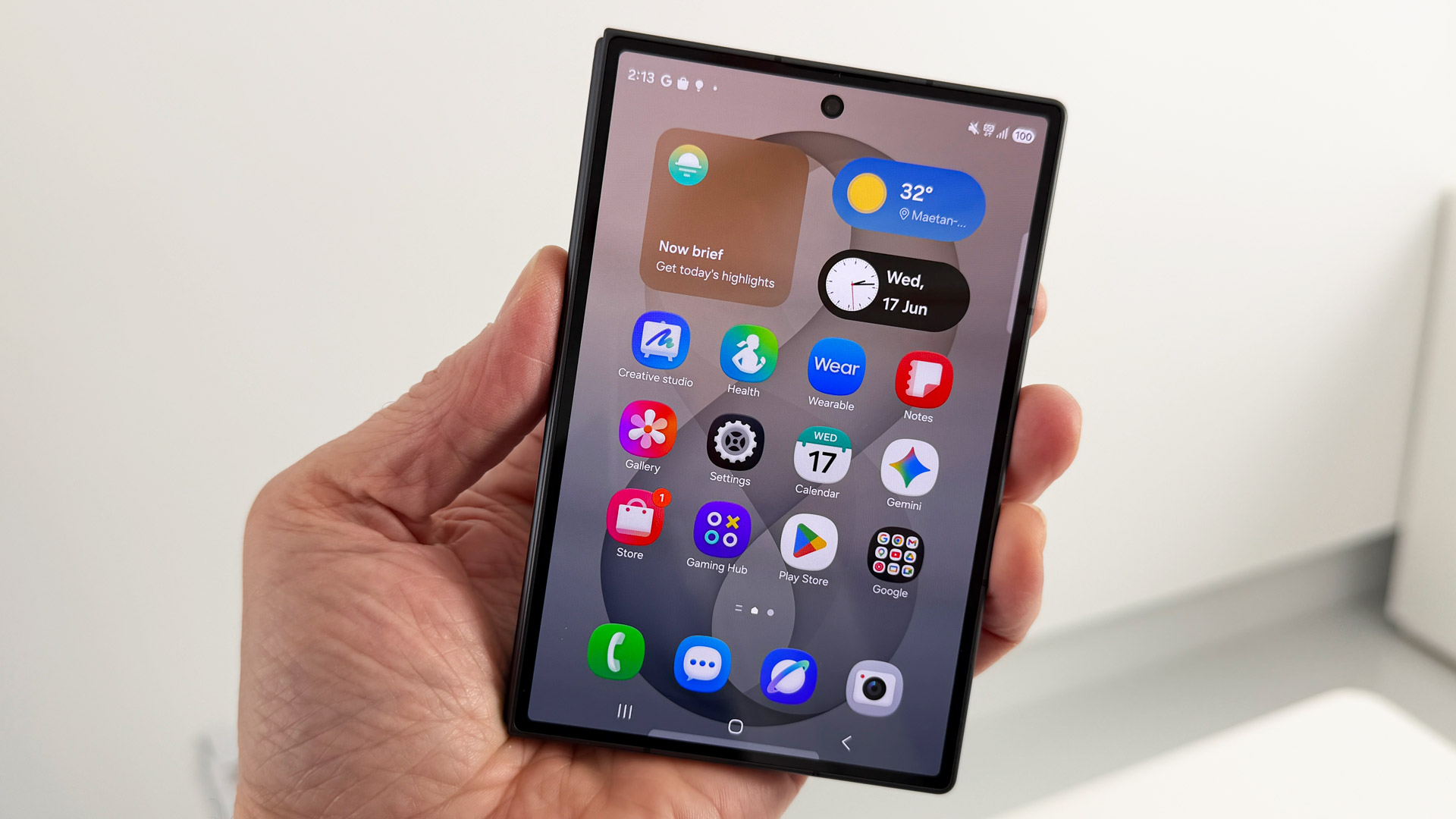
There’s no arguing that the Galaxy Z Fold 8 (taking over the base name for the thinner and larger Z Fold 8 Ultra) is a compelling device. But the 10:61 aspect ratio of the 5.5-inch external display (it’s both wider and shorter than any typical flagship) and the opened 7.6-inch internal display, with its 4:3 aspect ratio, is almost unlike any handset we’ve seen in modern smartphone history.
The unusual size gives the Galaxy Z Fold 8 standout specs. At 201g, it’s the new folding phone weight leader. Unfolded, the screen resembles in size and dimensions your average Kindle e-reader (as a content-first handset, this makes some sense).
Different, yet the same
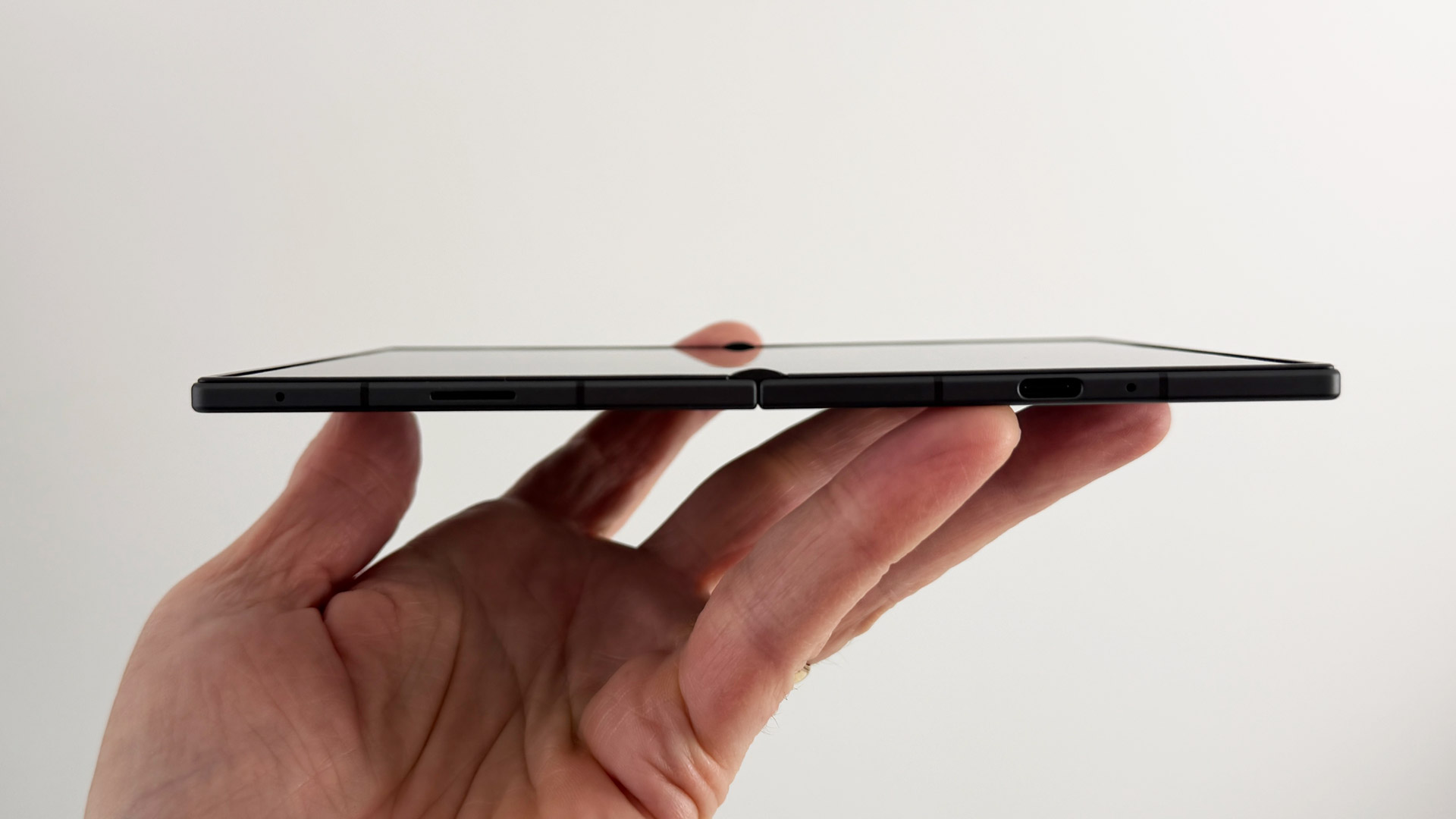
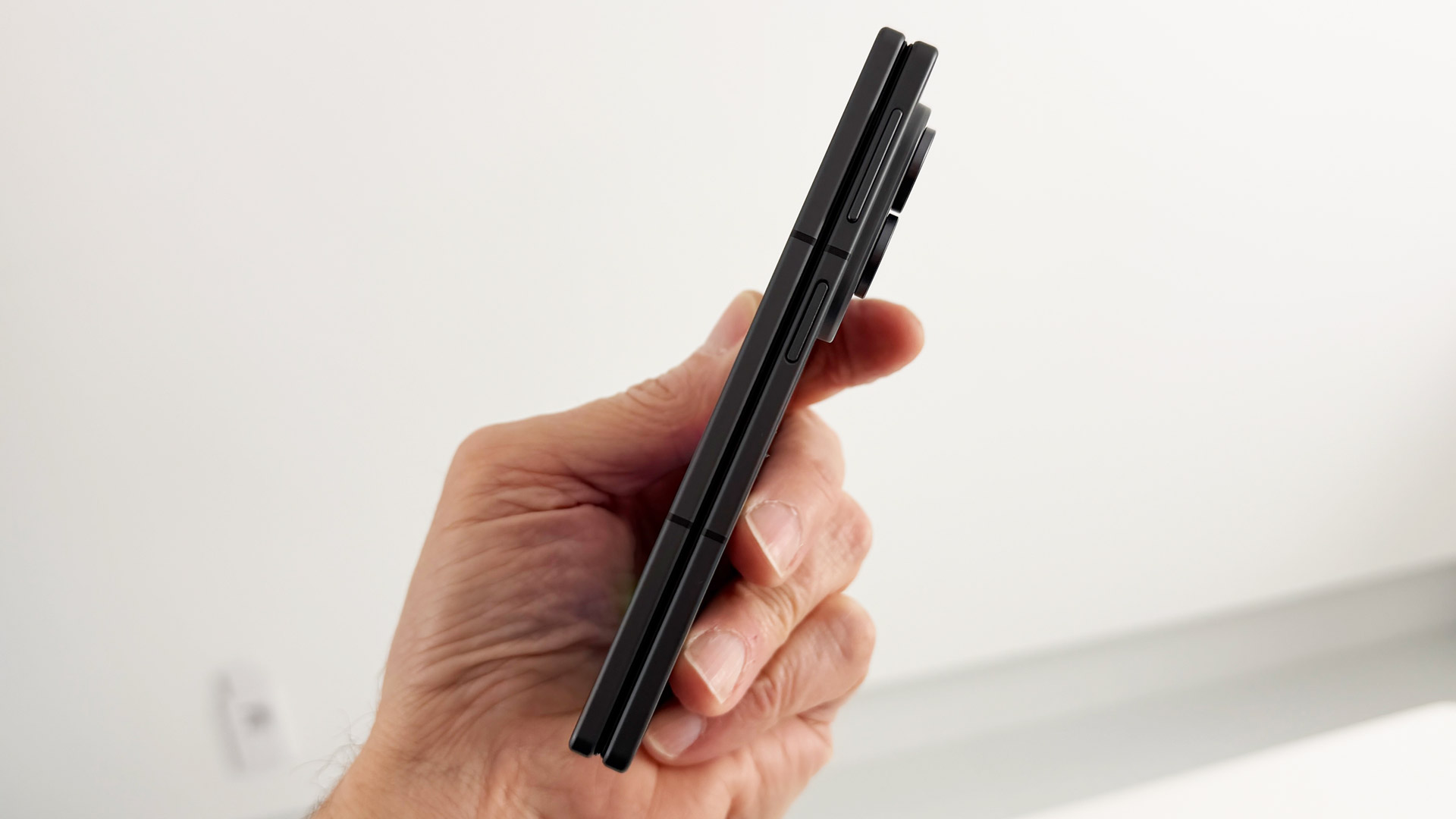
As part of the folding phone family, the Z Fold 8 does share some specs with its larger sibling. Both have the new titanium-backed folding screens that are stronger than the older polymer-backed ones, but also more resilient thanks to the properties of the new, ultra-thin titanium-alloy sheet. I took a closer look at this new screen technology in my deep dive with Samsung Display. As with the Ultra unfolded, the screen on the Galaxy Z Fold 8 is virtually flat and has an almost unnoticeable bezel.
Both the Fold 8 Ultra and Fold 8 screens support a peak brightness of 3,000 nits and feature a new anti-reflective coating. Like the Ultra, the Fold 8 has a large (in this case, 4,800mAh) silicon-carbon battery with exceptional claimed battery life and fast wired (45W with a 69% charge in 30 mins) and wireless (20W Qi2) charging capabilities.
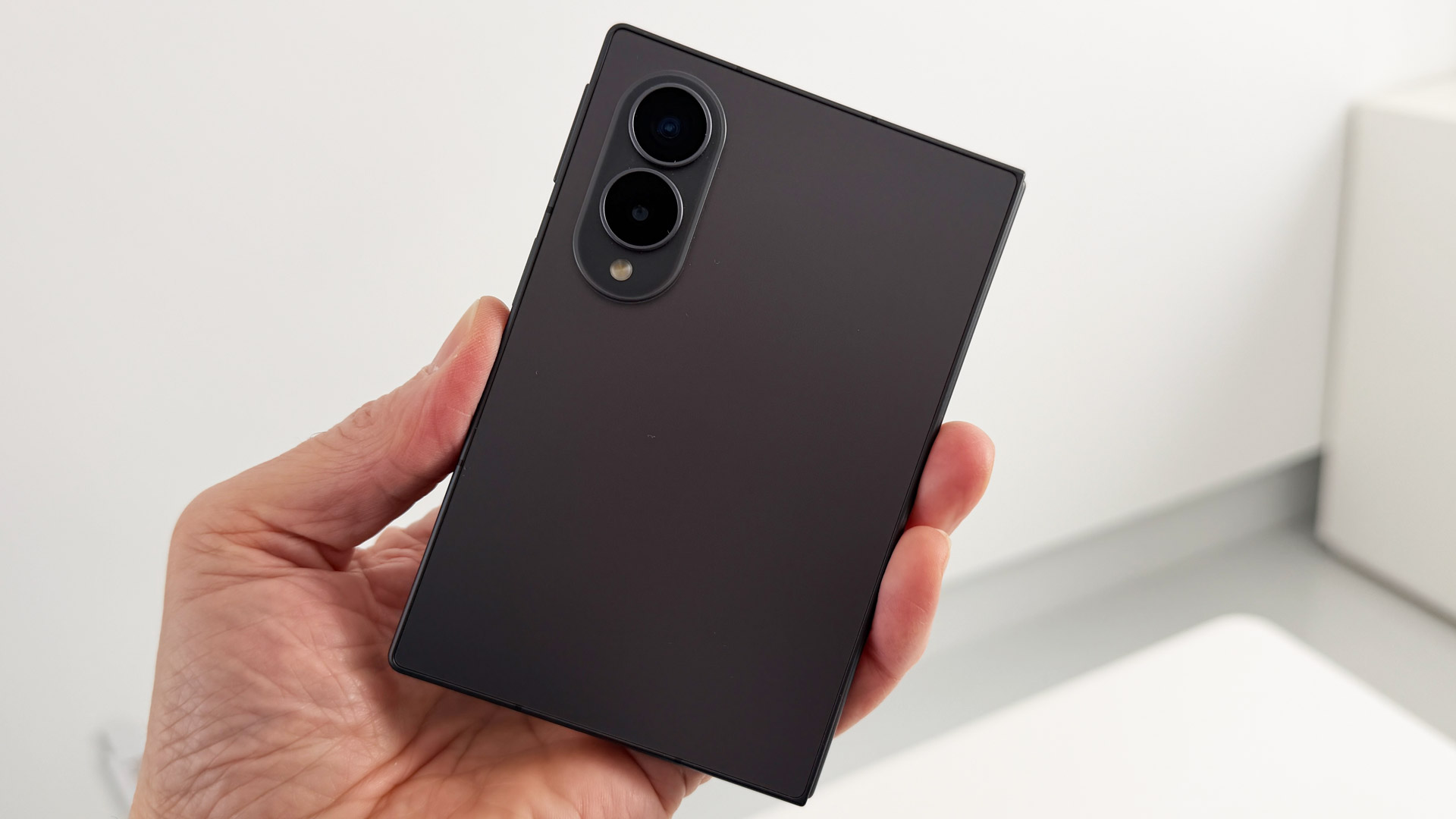
But this is not an Ultra device. There are just two external cameras: a 50MP wide and 50MP ultra. So maybe this is a device focused less on content creation than it is on content consumption. Even so, it's backed by the same Qualcomm Snapdragon 8 Elite for Galaxy chipset as the Galaxy Z Fold 8 Ultra (and Z Flip 8), as well as the same 12GB of memory, which means it’ll be no slouch on the performance side.
Still, knowing the specs doesn’t answer why the Z Fold 8 exists and how Samsung expects to sell it to consumers.
Why and how we got here
As executives walked me through the new foldable devices, they called the Z Fold 8’s screen size “The new standard for viewing content.” Samsung believes that the 4:3 aspect ratio on the 7.6-inch foldable display is what consumers have been craving (even if they didn’t know it themselves). The result of this unusual screen size is that, in landscape mode, videos viewed on the screen feature shallower black bezels on the top and bottom for a more immersive experience. I did see this in numerous demos, though I kept thinking, “The black bars are smaller, but still there.”
When reading comics in portrait mode, though, the contrasty images filled the screen. It was a nice effect.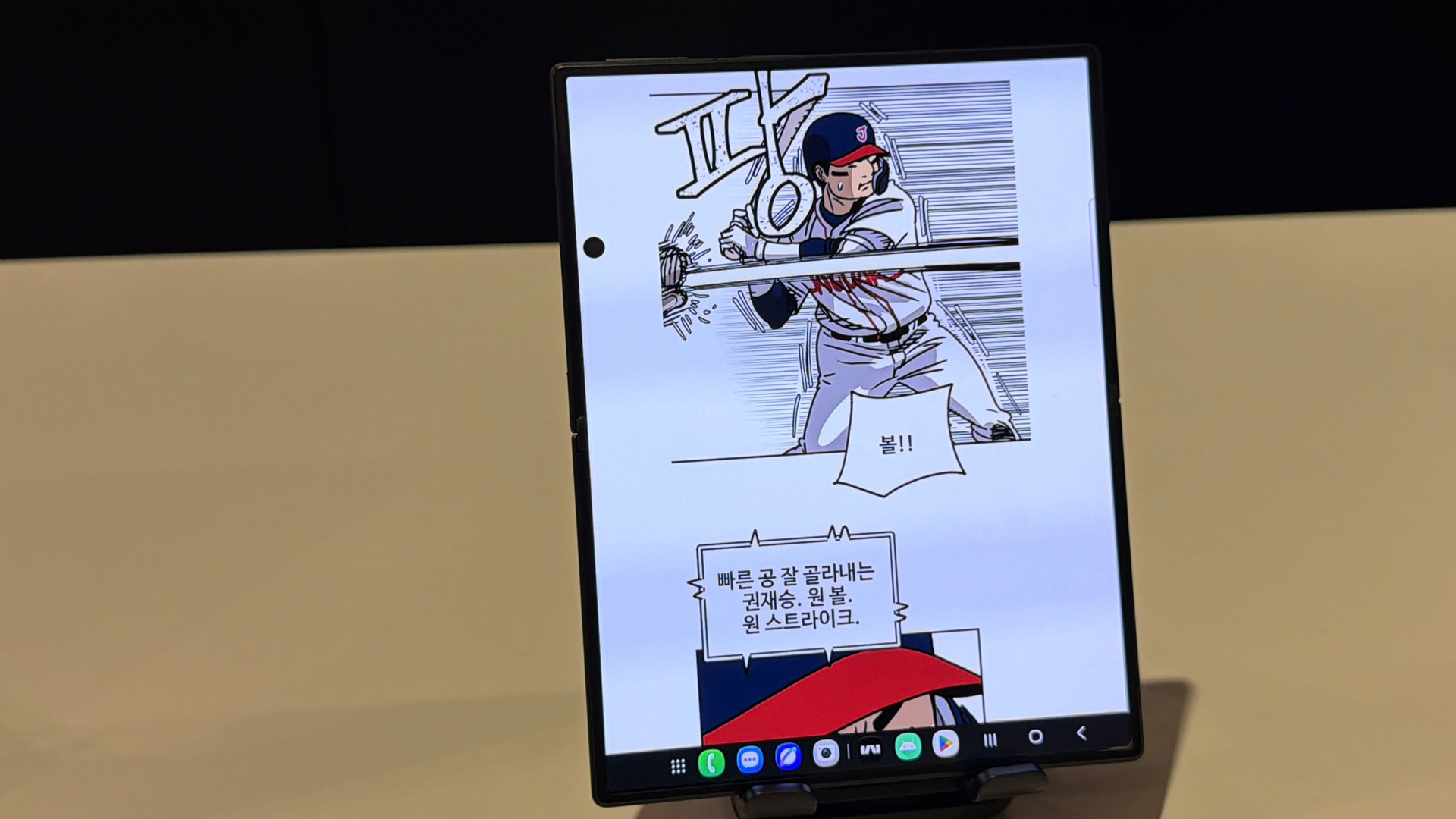
It’s also worth noting that the wider cover display, which accommodates a wider keyboard, makes for a slightly more pleasant texting experience.
When I spoke to Samsung Display executives about the new size, they told me that it wasn’t that they could not build this unusual size sooner. Instead, it was more about what they’ve learned about how people used their other foldables. The Flip seems to be more about self-expression, while the Galaxy Z Fold 7 and its predecessors, especially those that support multitasking, are about productivity and utility (though, since the Fold 7 lost support for the S Pen, they're no longer about drawing).
The new Galaxy Z Fold 8 sits in the middle. Sure, it’ll run the same One UI 9 platform, the usual smorgasbord of Galaxy and Gemini AI, and support multi-window navigation (including a new AI-based context-aware ability to sense when you need multi-windows and offer it up with a click). But the design speaks to those who primarily read, browse the web, watch videos, or scroll through endless TikToks and Reels.
Settling on a design
Getting to this rather unusual design wasn’t easy. When I asked Samsung EVP & Head of CX Office, Jay Kim, just how many designs were cast aside before arriving on the passport look, he told me, “Oh, so many, so many. I mean, because you need to have a size for the color screen, you need to have a size for the inside, and you know, you have to look at the display yield and everything around the technology around it, and you know it's a balance between thickness and weight, performance and everything about the product.”
In that design was a clear recognition of a perhaps underserved target market: “We realize that there's enough of a segment where consumers are very heavy on media, and basically you consume social media, you consume videos, you play games, and you read books in a most similar form factor. So, basically, we came up with a phone that's actually a very content native device.”
One thing is certain: the size and shape of the Galaxy Z Fold 8 is sure to provoke a reaction. The first time I held it, I was sort of amused. The folded size feels almost playful, but it’s also a very useful cover display. Opened, I noted the familiarity, especially in portrait mode, which is when I first realized it reminded me of my Kindle.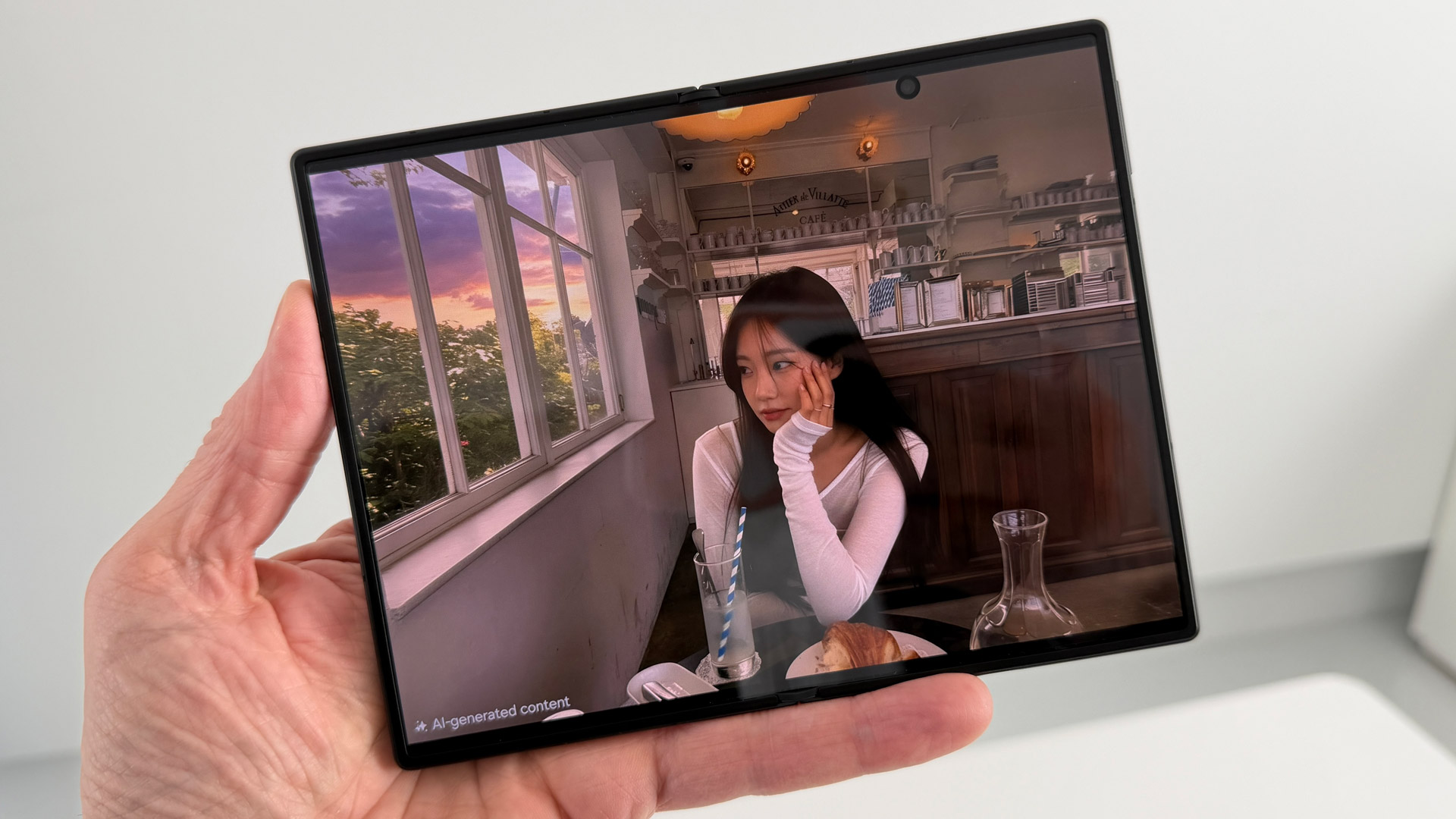
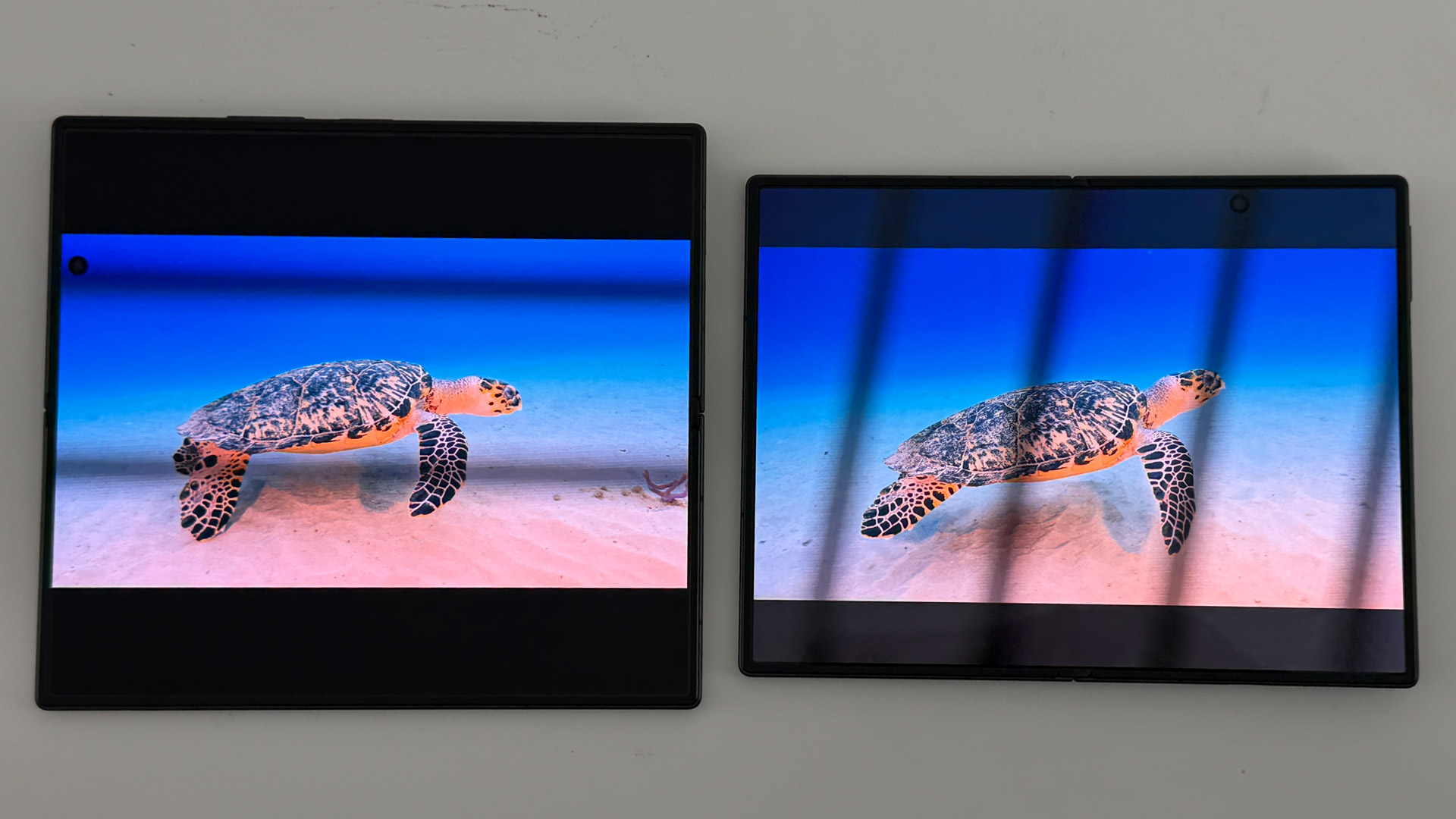
Still, the risk is inescapable. When I asked Samsung’s Jay Kim how they tested this new form factor, he told me they basically dogfooded multiple designs within the company.
“We did a lot of internal testing on different factors and different sorts of usage, and how do you use it?” recalled Kim.
As he spoke, I thought about how Samsung employees might hold back a bit on honest reactions, but then there are always the bold ones, and you assume a few unvarnished opinions on the new Fold look in there, too.
Kim sounded mostly confident. “We hope the market reacts the way we planned originally, and I think it's all based on the planning, and we're waiting for the [reaction], but I think when we did our internal sort of testing, I think that was very aligned with our sort of original plan, so we hope... I think we're pretty confident.”
Share
What's Your Reaction?
 Like
0
Like
0
 Dislike
0
Dislike
0
 Love
0
Love
0
 Funny
0
Funny
0
 Angry
0
Angry
0
 Sad
0
Sad
0
 Wow
0
Wow
0