The quiet comeback of boring computing: why ports, keyboards, and repairability matter again
After years of sealed laptops, replaceable parts are finally making a comeback in 2026.

Up until fairly recently, laptop design followed a similar pattern, no matter whether you were picking a new Windows laptop or a MacBook.
Machines became thinner, many premium models shed ports, keyboards lost travel, and more components were soldered or glued into place.
Some companies presented these updates couched in the language of progress, even if they made computers less useful, less comfortable to use, and harder to keep alive over multiple years.
In 2026, the mood seems to be beginning to shift. HDMI and card slots have returned to premium laptops, and many manufacturers are paying closer attention to keyboards, batteries, and repair access.
Leading the way, Framework has turned replaceable hardware into its defining idea, and even Apple is showing signs that a modern laptop does not need to be an entirely sealed unit.
None of this is glamorous, which is part of the appeal: the next meaningful improvement in computing may be a machine that works well, connects to what you own, and can survive long enough to become boring.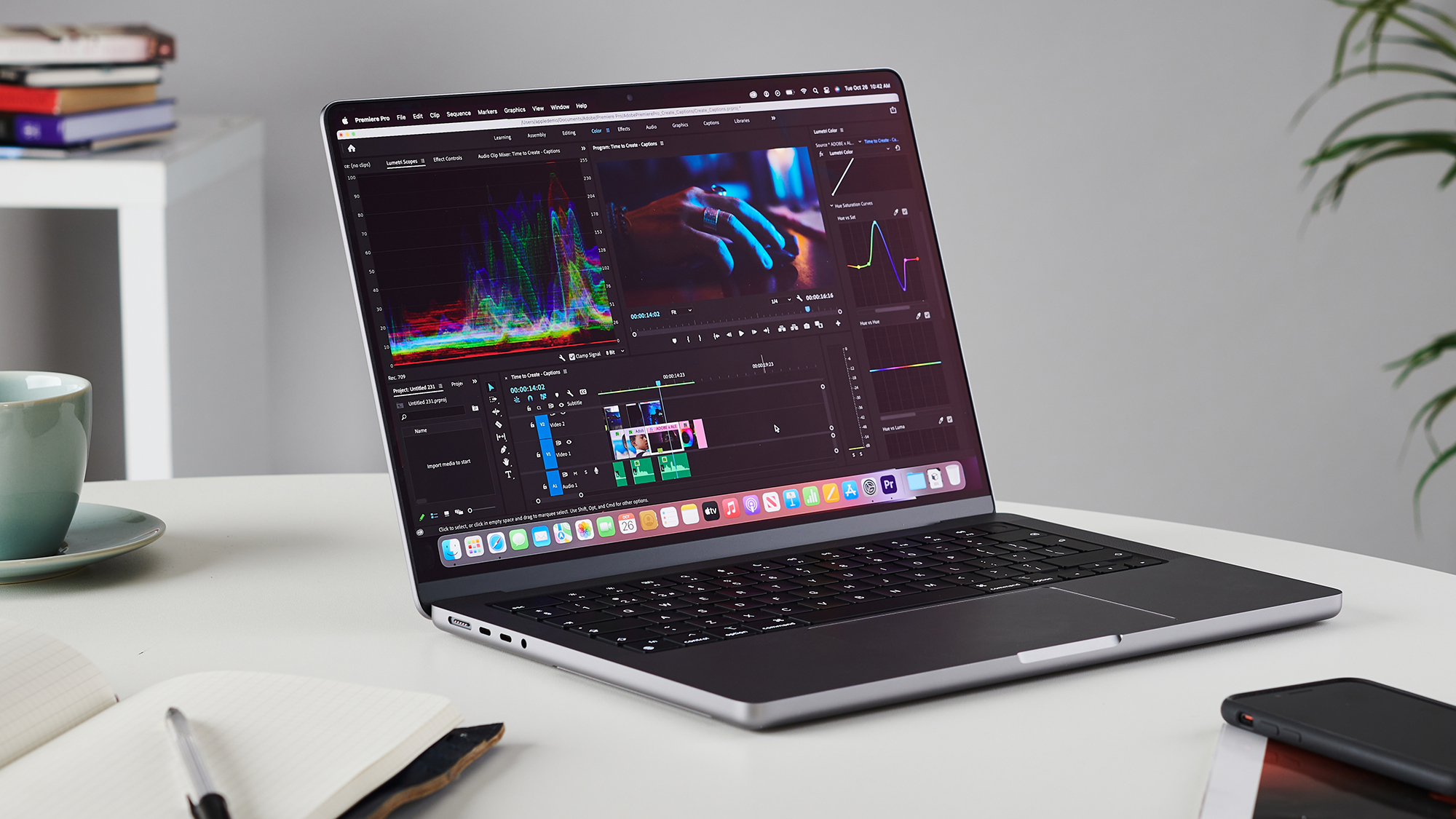
The laptop industry spent years mistaking subtraction for progress
Over the past 10 years, laptop design has been moving steadily towards the central tenets of thinner, lighter, and cleaner, while ports, removable batteries, and replaceable components disappeared.
The trade-offs were often presented as unavoidable – the price of owning something modern, sleek, portable.
Of course, some of these changes brought real benefits; today’s laptops are faster, quieter, and easier to carry than the bulky machines they replaced, and improvements in chip design mean they are more powerful than ever.
Problems arose though when minimalism became the goal rather than a means to an end. Removing an HDMI port saved a little space but left users carrying dongles; soldered storage reduced flexibility long after the initial purchase. The list goes on.
Several of those decisions have since been quietly reversed.
Apple returned to a more conventional keyboard after long-standing durability issues, then restored HDMI, MagSafe, and an SD card slot to the MacBook Pro.
Other manufacturers have also followed a similar path, adding ports and improving repair access without turning their laptops back into bulky desktop replacements.
Recent Surface devices have made batteries, displays, SSDs, and keyboards replaceable, while Dell and Lenovo now use modular USB-C ports in selected laptops so a damaged socket can be changed without replacing the motherboard.
These are still exceptions focusing on a few components, but they make this welcome comeback broader than a Framework-only experiment.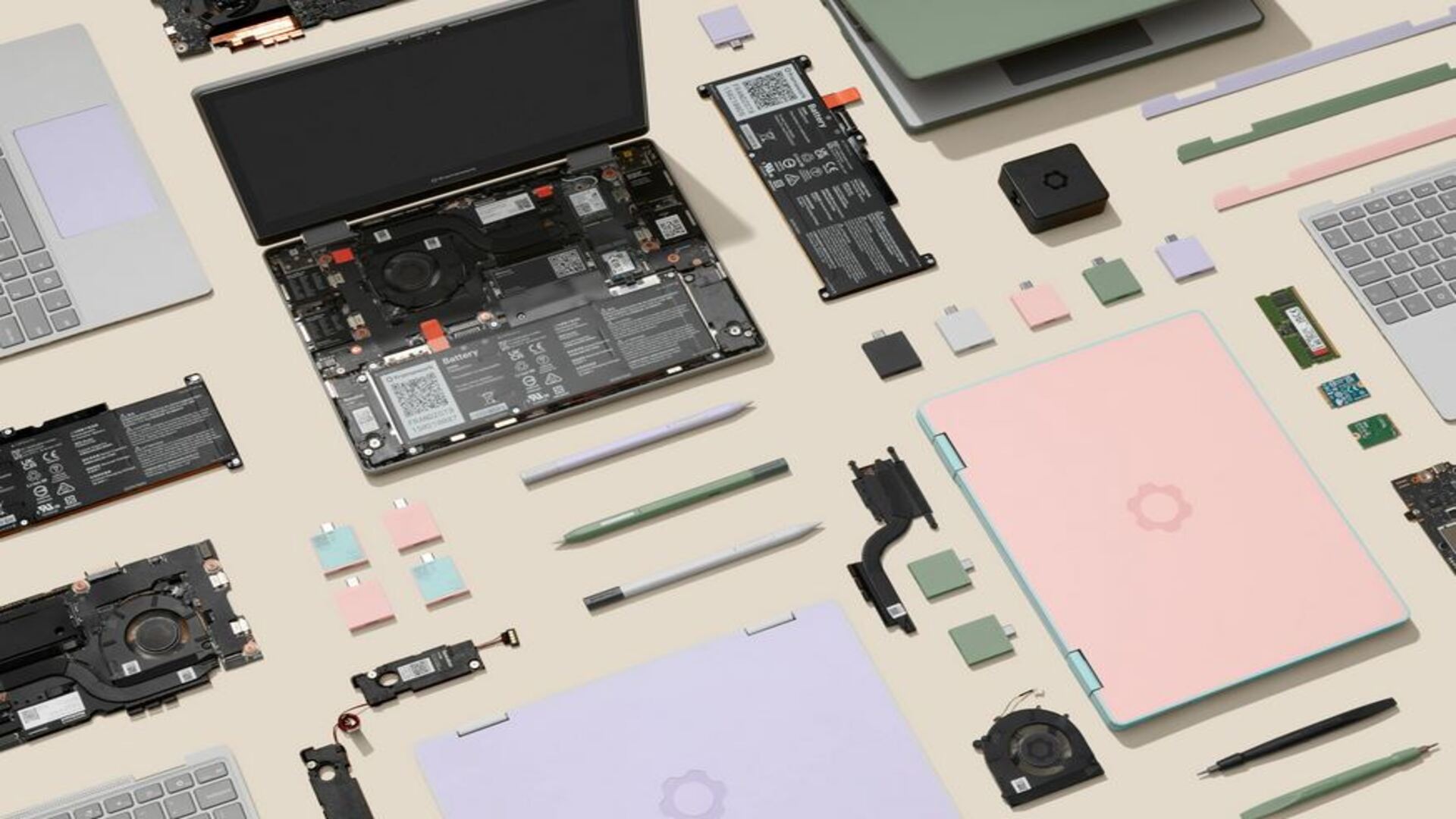
Framework designs laptops for their next owner – and their existing one
For anyone dispirited by the state of the modern laptop industry, Framework came to the rescue, building its laptops around many of the features the wider industry had abandoned.
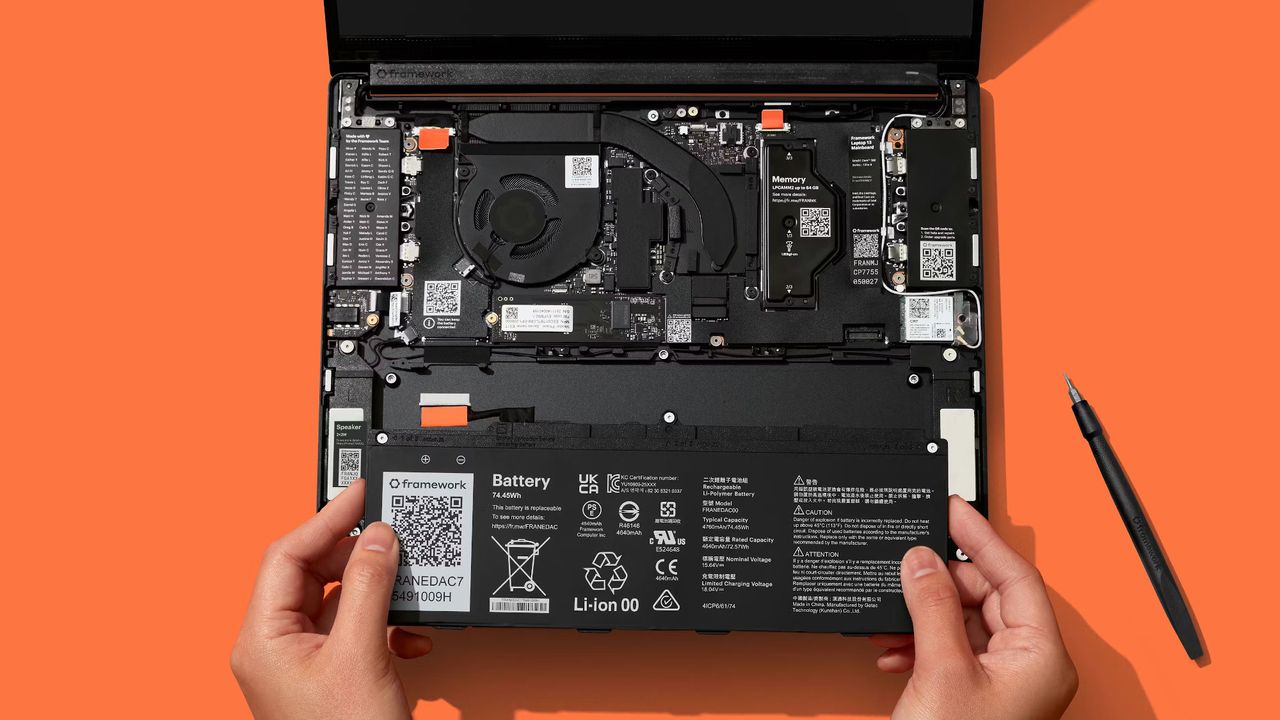
Owners can replace the memory, storage, battery, keyboard, display, ports, and even the mainboard, while expansion cards make it possible to swap connections such as USB-C, HDMI, and an SD card reader.
Someone who bought a Framework Laptop 13 several years ago can install a newer mainboard or display without replacing the rest of the machine. A new generation does not automatically make the old one obsolete – owners can upgrade the part that matters and leave everything else alone.
It should also make buying second-hand less of a gamble, since a later owner can replace a tired battery or upgrade the mainboard rather than inheriting a sealed snapshot of the original specification.
Even the familiar design serves a purpose: Framework’s laptops may not look dramatically different with each release, but keeping the same basic chassis allows components made years apart to work together.
If we're being honest, that is far more useful than another cosmetic redesign.
Not everything is perfect with this strategy, of course. Framework machines can cost more than sealed rivals with similar specifications, and earlier models have not always matched the best laptops for battery life or overall polish.
Their long-term value also depends on a relatively small company continuing to support the platform. Even so, Framework has shown that repairability does not need to mean owning an awkward experiment rather than a normal laptop.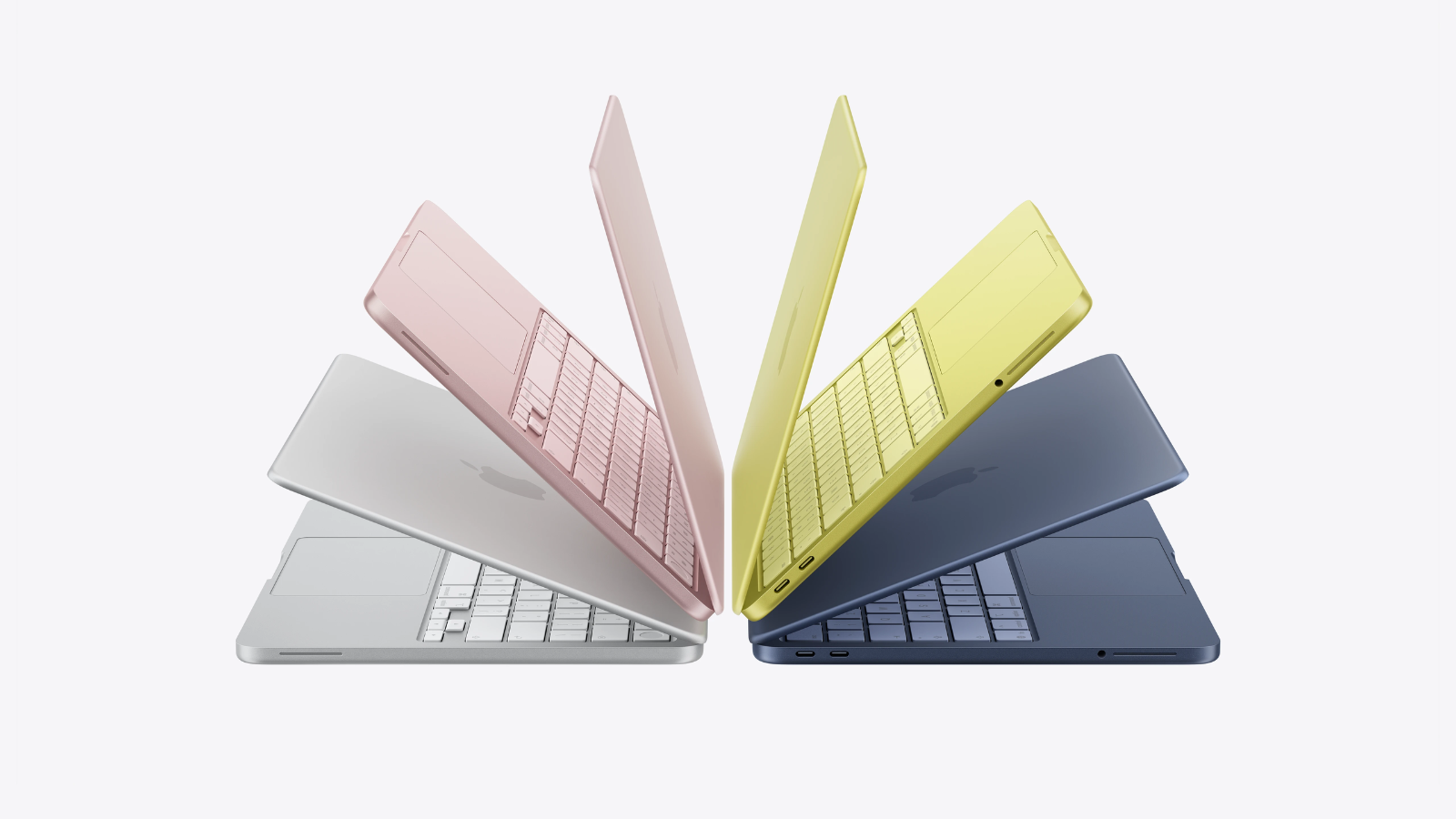
The MacBook Neo is Apple's concession, rather than a revolution
Apple’s new MacBook Neo takes a more cautious step in the same direction.
To start with, its battery is screwed into place and several ports sit on replaceable boards. Parts such as the display, speakers, and trackpad can also be removed without the level of adhesive found in many recent MacBooks.
Apple also published a repair manual from launch, a somewhat surprising move from the company, while iFixit awarded it 6 out of 10 – the best score for a MacBook in around 14 years.
The caveat – and sadly there is one – is that this makes the Neo more repairable, but not especially upgradeable.
Its memory and storage are soldered in place, so the specification chosen at checkout is the one owners will keep for the life of the machine. Given the crazy price hikes due to the AI memory boom, this can make things quite expensive.
One of its two USB-C ports is also limited to USB 2 speeds, and it lacks a backlit keyboard.
The result is that it's easier to restore or fix the original machine when something breaks, a small but meaningful achievement on an entry-level laptop, where a large repair bill can quickly make replacement look like the more economical option.
Perhaps the bigger win is that Apple has shown that a slim, polished MacBook does not need to be completely sealed shut. 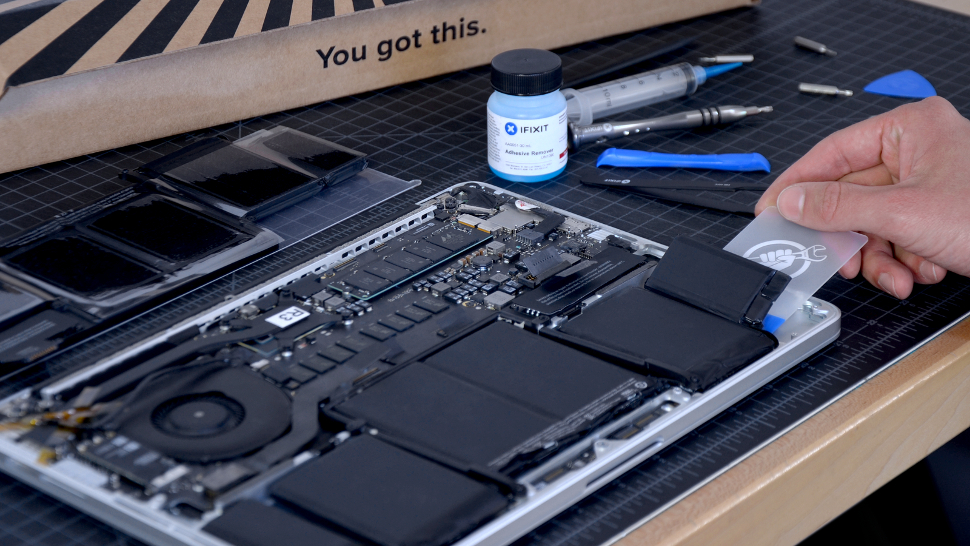
Repairability is useful even when you never hold a screwdriver
Most people will never replace a laptop battery or swap out a damaged port themselves, but they still benefit from a machine designed to make those jobs possible.
Accessible parts give places like independent repair shops, school technicians, and company IT teams a better chance of fixing a fault without replacing an entire assembly.
A commonplace issue like a worn battery becomes a simple routine repair, while a damaged charging socket is a small parts replacement rather than a motherboard-scale repair.
The same principle applies to ports and keyboards. These are among the most heavily used parts of any laptop, yet manufacturers have often treated them as secondary to thinness or appearance.
A useful selection of connections saves years of adapter clutter, while a comfortable, replaceable keyboard matters far more in daily use than a slightly slimmer lid.
The right to forget about your computer
The most mature technologies tend to disappear into the background. We do not want to admire a laptop’s design "courage" every time we connect a monitor, replace a battery, or type for several hours.
Fundamentally, we want it to work without creating new problems – and work for as many years as possible.
Framework has pushed that idea further than anyone else, while the MacBook Neo shows that parts of it can survive inside a mainstream product.
Neither will reverse years of sealed design overnight. What they do is suggest a different measure of progress: not how quickly a computer looks old, but how long it remains useful enough to ignore.
Share
What's Your Reaction?
 Like
0
Like
0
 Dislike
0
Dislike
0
 Love
0
Love
0
 Funny
0
Funny
0
 Angry
0
Angry
0
 Sad
0
Sad
0
 Wow
0
Wow
0