Silent Hill: Townfall is shaping up to be a great analog horror take on the series
Silent Hill: Townfall goes big on analog horror.

Having been put on Konami’s backburner for over a decade, Silent Hill’s resurgence has been nothing short of extraordinary.
A tepid start with Ascension and The Short Message was counterbalanced by the excellent Silent Hill 2 remake from Bloober Team and the homegrown Japanese horrors of Silent Hill f from NeoBards. The series seems like it’s now heading further in the right direction with the next game, Silent Hill: Townfall.
Early this month I played three hours of Silent Hill: Townfall and spoke with both Screen Burn director Jon McKellan and Konami series producer Motoi Okamoto about the game’s approach to retro tech, the Scottish setting, and cultural authenticity.
Going retro
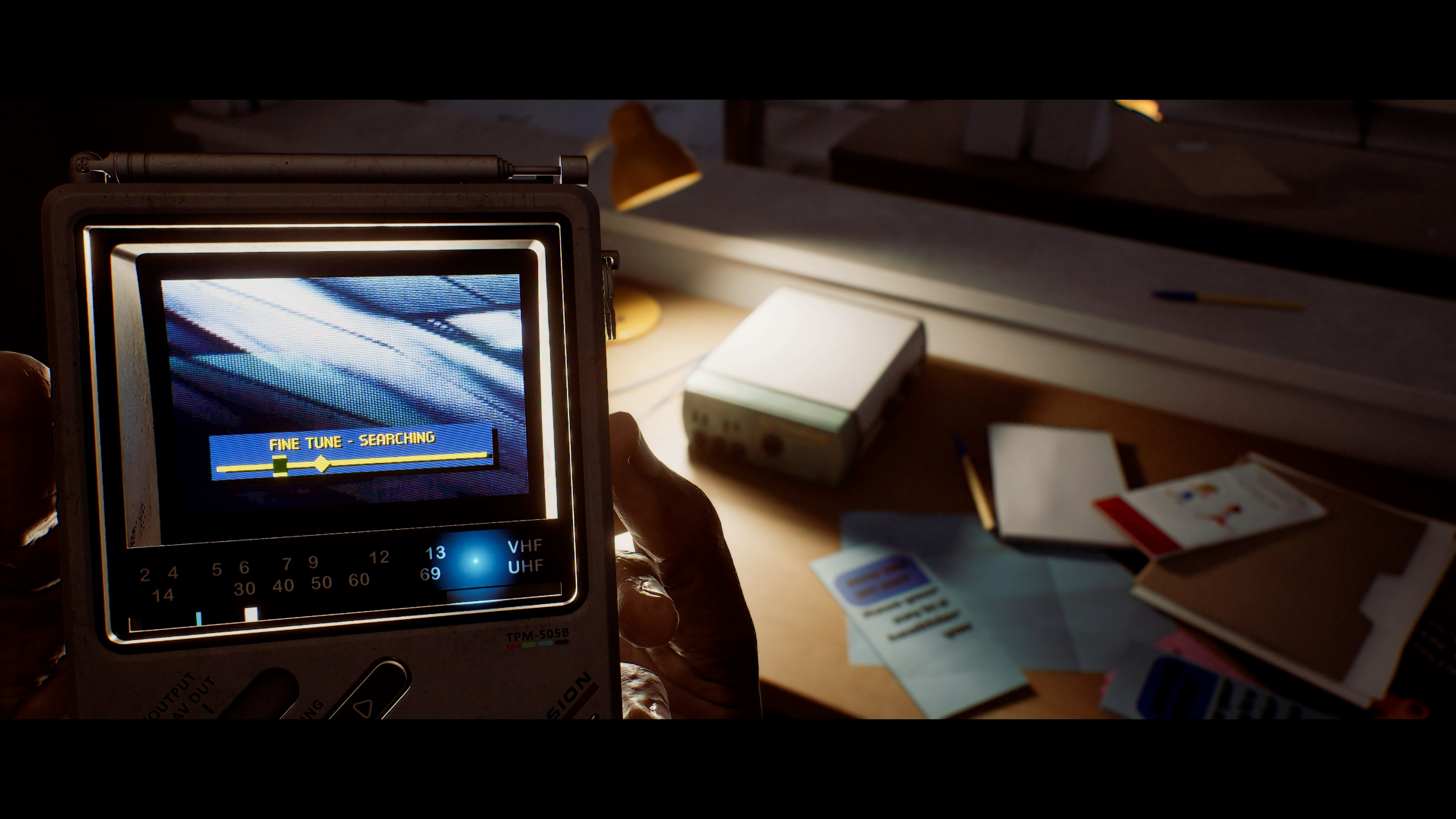
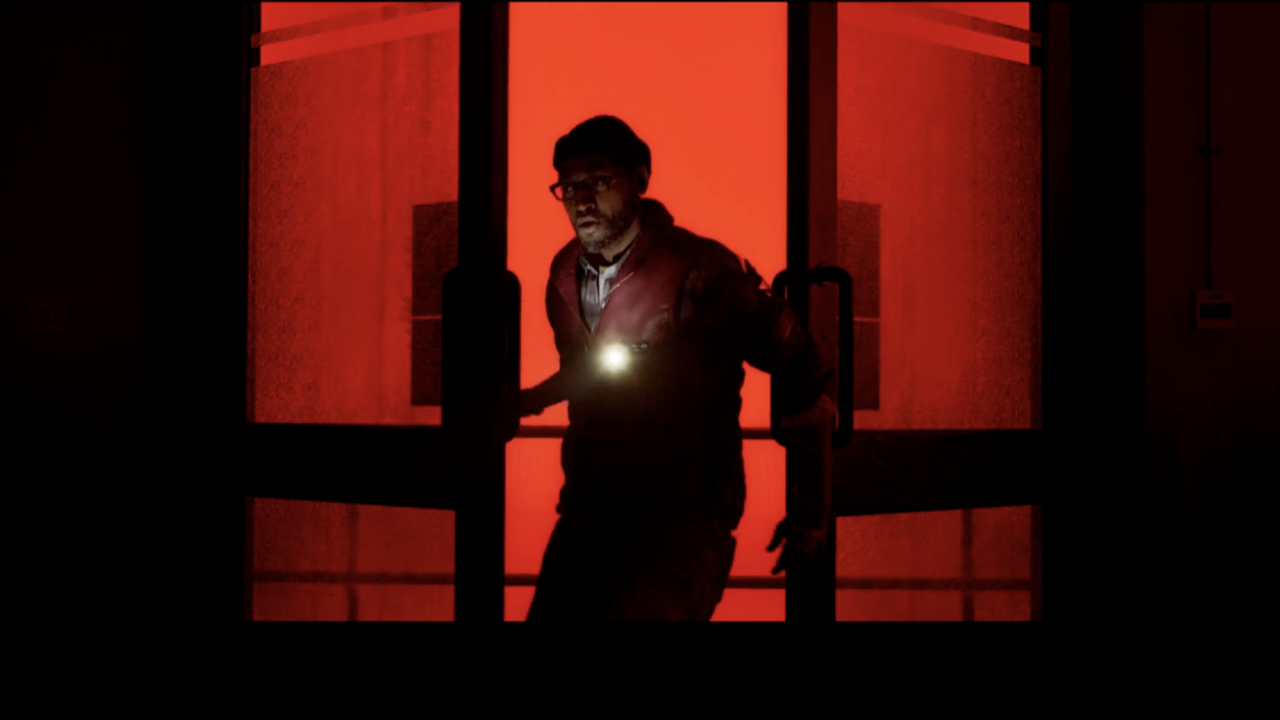
Silent Hill: Townfall follows a man named Simon Ordell in the fictional town of St. Amelia, Scotland. As he wakes up, he finds the entire place shrouded in fog. Slowly walking around, I eventually pick up a pocked CRTV television, which is used for both gameplay and narrative reasons. It's Townfall’s primary mechanic and star of the show. Through it, you can see old static video recordings of Simon’s mysterious partner, Zoe Ellis, who is seemingly his connection to this island.
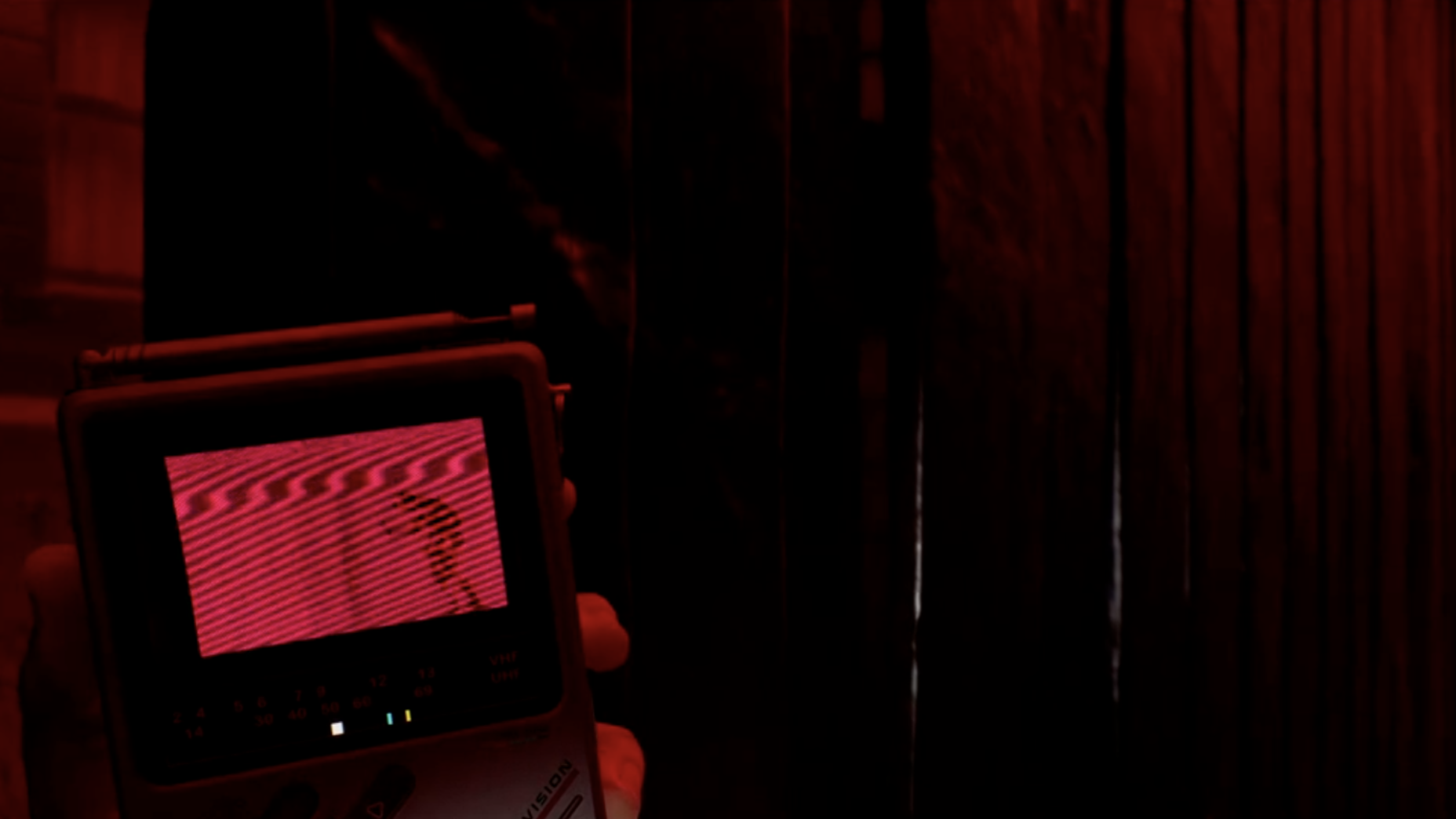
The radio’s screen also typically shows you the next place to go, which means it’s up to you to search around town until you find the correct spot. Additionally, you can hold up the radio to see through walls to check a monster’s position. It’s a wonderful twist on a common trope. In similar games, protagonists sometimes come with a ‘radar’ sense so that players can stay stealthy and avoid enemy detection. Implementing the radar into the radio itself is not only clever, but reinforces that Simon is, after all, just human, in an unrelenting world filled with monsters.
The time period that Townfall takes place in is paramount to its horror themes. A puzzle hints that the current year is 1996, which is where the mass adoption of technologies like the internet and home dial-up started happening. The transition to an increasingly connected world filled people with anxieties. Simon’s CRTV radio is just advanced enough, but is nowhere near the cutting edge technology we see today.
“The world was on a technological cusp around the mid 90s, where the internet was starting to become a thing. But you were too early to have Google Maps in your pocket and you didn't have this magic bullet for all the problems that might come up,” McKellan explained.
He continued, “So with analog tech, you feel like you can't quite rely on it. It’s a little bit uncertain, and I think that's a great place to be for horror.”
Another theme that was prominently was medicine and healthcare. As I strolled through St. Amecia, I saw protest signs littered around the town square with phrases about “taking this town back”.
I picked up collectibles and notes about St. Amecia’s local hospital, vaguely hinting at some sort of institution providing “protection.” As an American citizen in a country with mainly for-profit healthcare, my mind immediately began trying to connect the dots and figure out the story’s direction. Scotland has a public system, but perhaps some private healthcare provider came in and tried to take over? And what about the “protection” aspect? Did Simon, or someone else, snitch?
The medical symbolism doesn’t end there. Zoe herself is a nurse, and Simon also has an IV bag strapped to his arm. With ingredients found scattered throughout town, he can craft items Resident Evil-style. These include items like blood bags for his IV, which let him resurrect with a sliver of health after being killed by an enemy.
Thankfully, Townfall’s combat feels much smoother compared to Silent Hill f’s. In the latter, there always felt like a second of awkward hit stun when your melee weapons made contact with enemies. Here, smashing planks over their heads feels satisfying. The way their bodies all of sudden go limp simultaneously gives me a feeling of surprise relief every time.
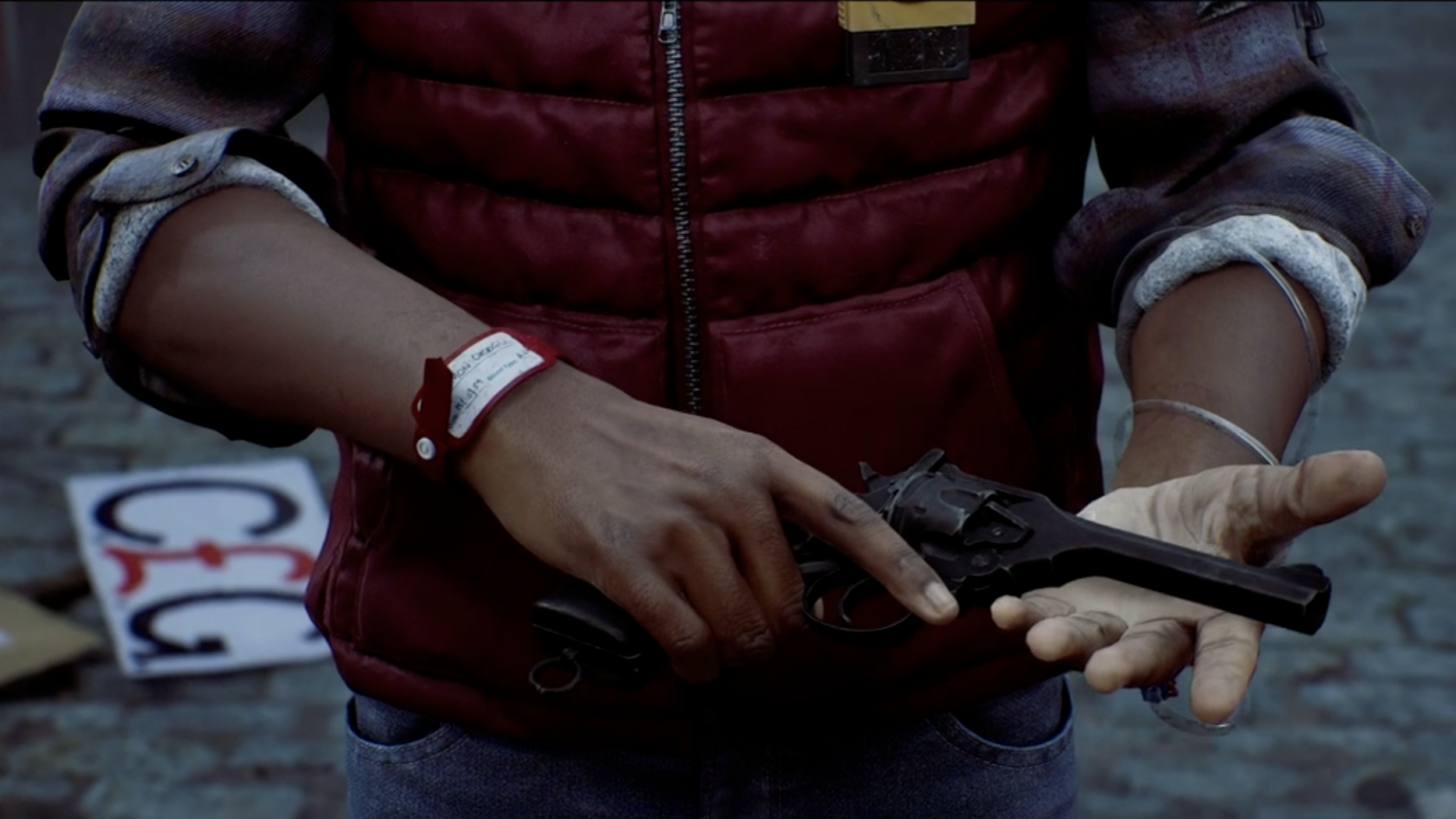
Simon also eventually gets a powerful pistol that one-hit kills many monsters, rivalling even Grace Ashcroft’s Requiem from Resident Evil Requiem. The downside is that it makes a ton of noise when fired, so enemies nearby will zero in on your location. With limited ammo, it’s definitely your last resort weapon, and it’s gratifying every time it goes off.
McKellen ensured that social commentary would be at the heart of the story, similar to how Silent Hill f’s overarching message was around gender expectations. “There are a few different threads in this game that start to coalesce as the game progresses, and I think it takes people in kind of unexpected places,” he explained. McKellen is hoping that people (like me) have an idea of what’s happening, then excitedly twist our expectations.
So why does Simon have a cannula in his hand, and why does it bring him back when he dies? They’re not just gameplay gimmicks—they represent something. McKellen adds, “There's a lot behind it, and we pride ourselves as developers that everything in the game has some relevance. Nothing is there just because or to fill a void.”
Crafting different Silent Hills
Over the years, the setting for most of the Silent Hill games were, well, Silent Hill. But recently, Konami has expanded settings for the series to explore other areas. Silent Hill: The Short Message introduced “Silent Hill” as a phenomenon, where similar psychological and experiences occur outside of the titular town in Kettenstadt, Germany. Silent Hill f took the series back to its hometown in the fictional town of Ebisugaoka in 1960s Japan.
“Our current approach in branding is to introduce that concept and show similar types of psychological experiences and narratives that place outside of the boundaries of Silent Hill,” Okamoto said.
Screen Burn, headquartered in Glasgow, Scotland, has a wide age range within its developers. Some grew up with the older games, while others recently discovered it through the newer releases. But the big lesson that the team learned about what’s essential to Silent Hill’s DNA is the understated nature of the stories. They’re not explicit, with plenty of room for interpretation but still feeling satisfied after finishing the game.
“You can walk away from a Silent Hill game feeling like you know something, but whether you know everything or need to discuss that with someone else was one of the big things that came out,” McKellan explained. “People were saying that after every game they would end up talking to someone else about it and having different theories.”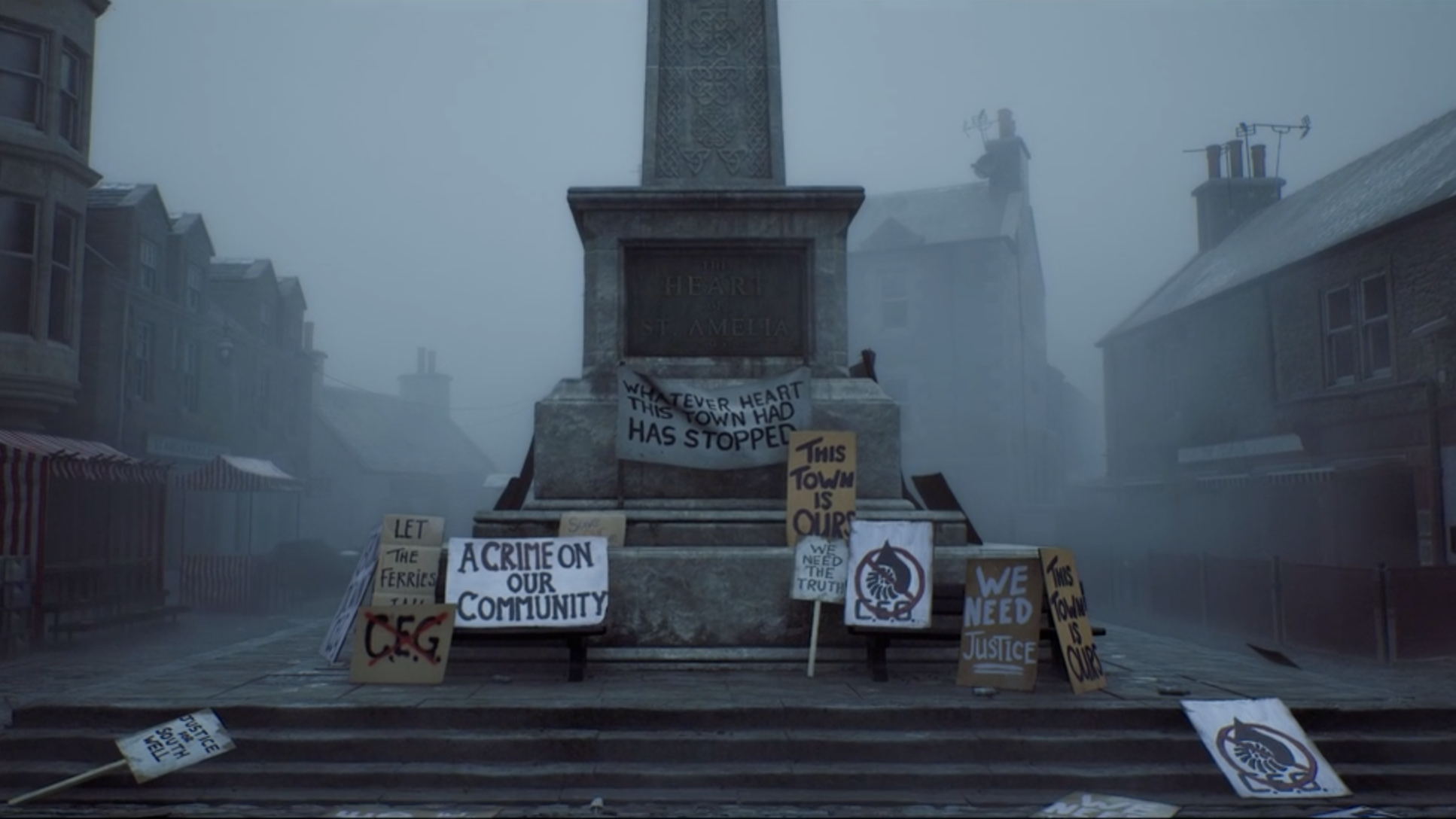
The studio’s last game was the sci-fi horror adventure Observation (which is also one of my favorites that you should check out), and the team grew from the game before that, Stories Untold. Both of them had technology as a major theme to convey gameplay, with Stories Untold having players interacting with computers and Observation switching between different cameras in a space station.
You can see the theme of technology rearing its head again in Townfall through the analog CRTV, as well as the phone booth players call to manually save their progress.
Townfall is also Screen Burn’s biggest game to date. The most notable departure is the freedom that players have in exploring the town. “Townfall feels like a Screen Burn game unleashed. We’re taking our narrative sensibilities, puzzle design, and attention to detail, and blowing that out to something much larger with the support of Konami and Annapurna,” said McKellan.
“So if you've played our previous games, you'll probably see a lot of common ground there.”
The future of Silent Hill
Looking ahead, Bloober Team’s remake of the first Silent Hill is set to come out after Townfall. Okamoto understood the worry players had about the series potentially becoming annualized, perhaps resulting in fatigue or lapse in quality. That's why Konami was open to new takes on the iconic horror franchise. The Short Message focused on social media, Silent Hill f was distinctly Japanese, and now Townfall is in Scotland.
With the rising cost of game development, it’s a wise idea to have other studios take on notable IP rather than just having your internal studios handle them. Not only does this result in more games being released, but outside talent can revitalize interest. I mean, Bloober Team and NeoBards are proof enough.
Okamoto, however, explained that this method was more about portraying cultural authenticity than anything else, and dependent on the kinds of projects Konami is working on.
“For example, the Metal Gear team has their own philosophy and approach for how they develop games,” Okamoto said. “At least from our perspective, with the goal being trying to create a wider, richer, and more culturally varied universe for Silent Hill, we feel that partnering with third-party developers works best.”
Silent Hill: Townfall launches on September 24 for PC and PlayStation 5.
Share
What's Your Reaction?
 Like
0
Like
0
 Dislike
0
Dislike
0
 Love
0
Love
0
 Funny
0
Funny
0
 Angry
0
Angry
0
 Sad
0
Sad
0
 Wow
0
Wow
0