Pre-trial fight in OpenAI case focuses on Elon Musk’s dual role as Microsoft partner and plaintiff
Pre-trial motions in Elon Musk's lawsuit against OpenAI and Microsoft focus in part on his company's business dealings with the Redmond company, and what that means for his credibility as a witness. Read More


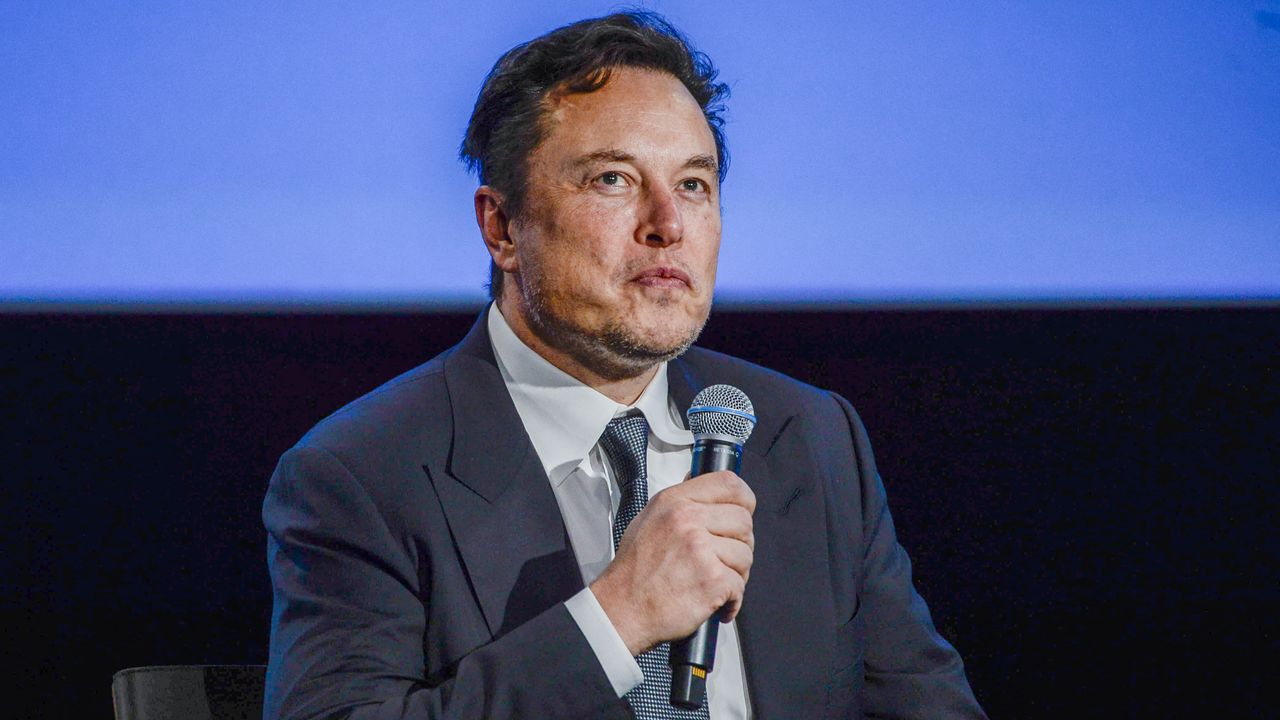
Microsoft’s move to partner with Elon Musk’s xAI while simultaneously being sued by the tech mogul has gone beyond mere irony to become potential courtroom evidence.
In a series of pretrial motions ahead of a highly anticipated trial, lawyers for Microsoft and OpenAI are fighting to introduce xAI’s recent business deals — including the integration of its Grok 4 model into Microsoft’s Azure AI Foundry — as evidence in their defense.
Microsoft argues that the partnership proves its business model is simply to be a neutral host for competing AI models. OpenAI goes further, arguing that Musk’s dual role as a partner and plaintiff exposes a financial motive that undermines his claim to be acting on principle.
Musk has asked the judge to exclude the evidence as a distracting “mini trial.”
His suit alleges that OpenAI abandoned its founding mission as a nonprofit dedicated to developing AI for the benefit of humanity, and that Microsoft aided and abetted that betrayal.
RELATED: The Microsoft-OpenAI Files: Inside AI’s defining alliance
Microsoft has invested more than $13 billion in OpenAI and held a 27% equity stake in its new for-profit entity prior to the ChatGPT maker’s latest funding round. That round includes an investment of up to $50 billion in OpenAI from Amazon, which is not involved in the dispute.
A trial is set to start April 27 in federal court in Oakland, Calif.
Microsoft is asking the judge to admit multiple exhibits on this topic, including a shareholder letter referencing Azure AI Foundry’s roster of AI partners, and a post on Musk’s X social media platform by Microsoft CEO Satya Nadella welcoming Grok 4 to Azure AI Foundry.
The partnership dates to May 2025, when Nadella announced the addition of Grok models to Azure AI Foundry at Microsoft’s Build developer conference. Musk appeared alongside Nadella in a video shown at the event, addressing topics including xAI’s commitment to AI safety, which is an issue that has since become a central point of disagreement in the case.
Hosting multiple AI models from competing developers, Microsoft argues, is “core to our Microsoft DNA” and helps explain why it partnered with OpenAI in the first place. That Musk is simultaneously suing Microsoft for that partnership while his own company benefits from the same platform, Microsoft says, goes directly to his credibility as a witness.
OpenAI’s lawyers are taking a more aggressive approach, seeking to introduce evidence of a massive buyout attempt. According to court filings, Musk and a consortium of investors offered to buy all of OpenAI’s assets for $97.375 billion in a February 2025 letter of intent.
These are the same assets he now says were legally required to remain open-source and locked within a nonprofit structure. The jury, OpenAI argues, should weigh that contradiction.
OpenAI also wants to introduce evidence about xAI’s safety record, saying Musk can’t put OpenAI’s safety practices on trial while shielding his own company from scrutiny. Musk has called AI safety central to the case and plans to testify about his commitment to the issue.
Musk is leaning on the court’s prior scheduling orders to keep xAI’s record out of the courtroom entirely. The judge previously split the trial into two phases, reserving competition-related claims for Phase Two. Musk argues that his 2023 founding of xAI and his recent commercial dealings with Microsoft belong in that second phase, not in front of the jury in April.
Musk’s own deposition, filed publicly last week, adds another dimension to the safety debate.
In it, he attacked OpenAI’s safety record, saying “nobody has committed suicide because of Grok, but apparently they have because of ChatGPT.” That was a reference to lawsuits alleging ChatGPT’s conversational tactics have contributed to negative mental health outcomes.
Since that deposition was recorded, xAI has faced safety concerns of its own, including an incident in which Grok generated nonconsensual nude images, prompting inquiries by the California Attorney General and regulators in Europe, according to TechCrunch.
Microsoft is staying out of those issues, focusing instead on the narrower argument that its partnership with xAI reflects how it does business more broadly: hosting competing AI models from dozens of developers on the same platform it uses to serve OpenAI.
U.S. District Judge Yvonne Gonzalez Rogers is set to hear arguments on the evidence dispute on March 13, determining what the jury gets to see and hear when the trial begins.
Share
What's Your Reaction?
 Like
0
Like
0
 Dislike
0
Dislike
0
 Love
0
Love
0
 Funny
0
Funny
0
 Angry
0
Angry
0
 Sad
0
Sad
0
 Wow
0
Wow
0