I've watched all of Avatar: The Last Airbender season 2 on Netflix, and it's hugely improved from the dreadful first season — yet it still gives off The Witcher vibes in the worst possible way
Aang and the gang have grown up, and are ready for the next installment of their Fire Nation fight. Luckily, it's a lot less hard work — despite some consistent flaws.
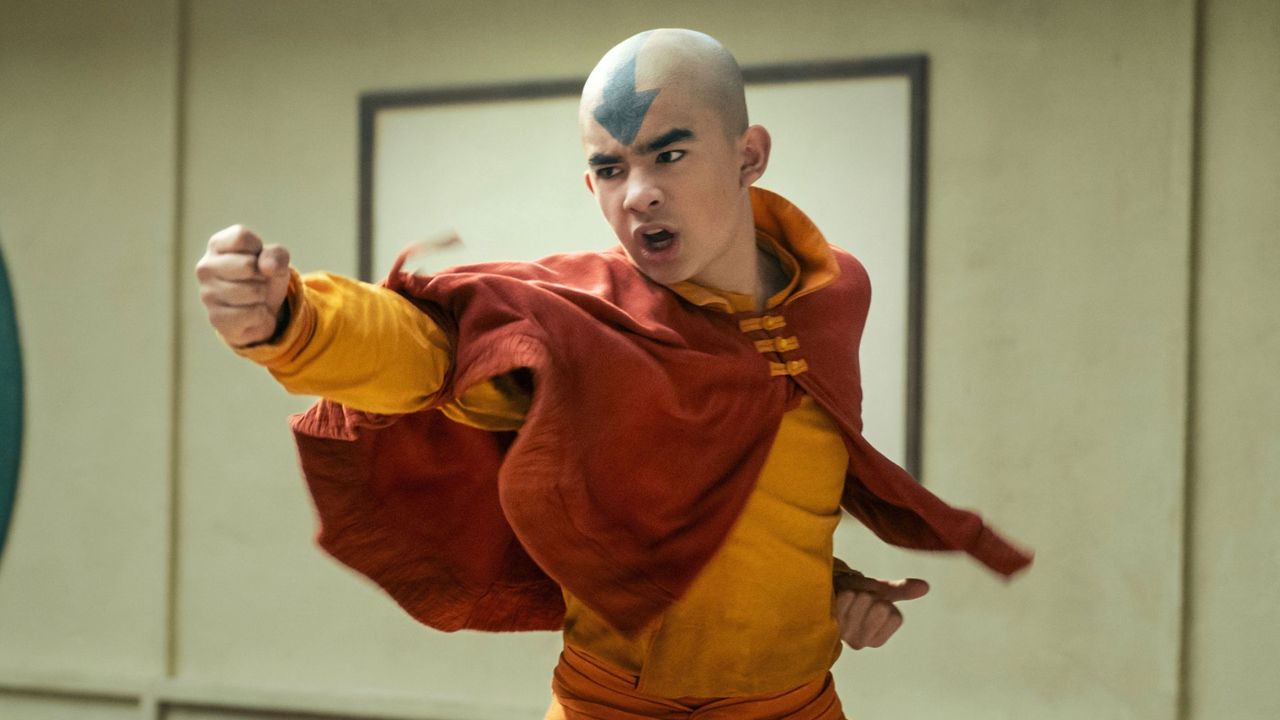
Two years ago, Netflix dramatically let me down. As a massive anime fan, I tuned into the first season of their live-action Avatar: The Last Airbender remake and was horrifically disappointed within minutes. In fact, the most positive critique you could give it is that it was better than the live-action movies, which are widely considered to be garbage.
Why? The action was all there, but the heart of Aang's story wasn't. Spectacular VFX tried to cover up the hollow, mundane narrative underneath. In fact, to quote a fantastic jaw-dropping writer called Jasmine Valentine: "There’s little room to learn, with life-changing realizations made in a ridiculously short amount of time. If a tale can’t be paid its due diligence in a certain remit, should we even bother at all?"
In 2026, my excitement for Avatar: The Last Airbender season 2 is non-existent. I've approached its seven-episode run with complete trepidation, honestly wondering if there is anything better that I could be covering this week. However — while a long way from being a masterpiece — the hit Netflix show has clearly been listening.
Now that all of the exhausting worldbuilding is out of the way (for the most part), fans can finally focus on the character relationships that they want to invest in. There's a lot of tenderness and vulnerability on display, which is the most fulfilling part of our cast having grown up so much between seasons.
But there's still something obvious that's really bothering me... and it comes back to Netflix's "cookie-cutter" mold that none of its programs can escape.
Avatar: The Last Airbender season 2 has finally learned its lesson about the importance of heart
Read it and weep (for joy), kids — Avatar: The Last Airbender season 2 actually has heart. If we're being honest, nobody had to put any effort into achieving this, with the mere fact that the lore of the Four Nations is fully established meaning there's now room for bigger, better things.
A mature Aang (Gordon Cormier) now straddles his inner struggles of legacy and constant imposter syndrome even more effectively, with the likes of Katara (Kiawentiio), Sokka (Ian Ousley), and Suki (Maria Zhang) now all settled into their selves, wants and needs.
If anything, Zuko (Dallas Liu) is going through it the most. After deserting his family and retreating into hiding at the end of season 1, we've got a lot more sympathy with him this time around as he grapples with his supposed destiny of capturing Aang for the Fire Nation's glory. Unlike Lord Ozai (Daniel Dae Kim), he's no longer a villain, but a victim.
The standout character of season 2 is easily Toph (Miya Cech), who has finally been introduced after not appearing in season 2. Coming from a complicated family background that routinely dismisses her Earthbending, she comes into her own sassy self after teaming up with Aang to teach him the next element.
Collectively, the team is now firing on all cylinders, and it's nothing short of a joy to watch. Now we understand who they are and what the bigger picture looks like; intimacy, fun, and genuinely satisfying friendships are now flourishing. The jokes land, the serious moments stab you in the heart, and whimsy is flying around like Appa the sky bison.
Netflix makes season 2 look exactly like The Witcher — just with different lore
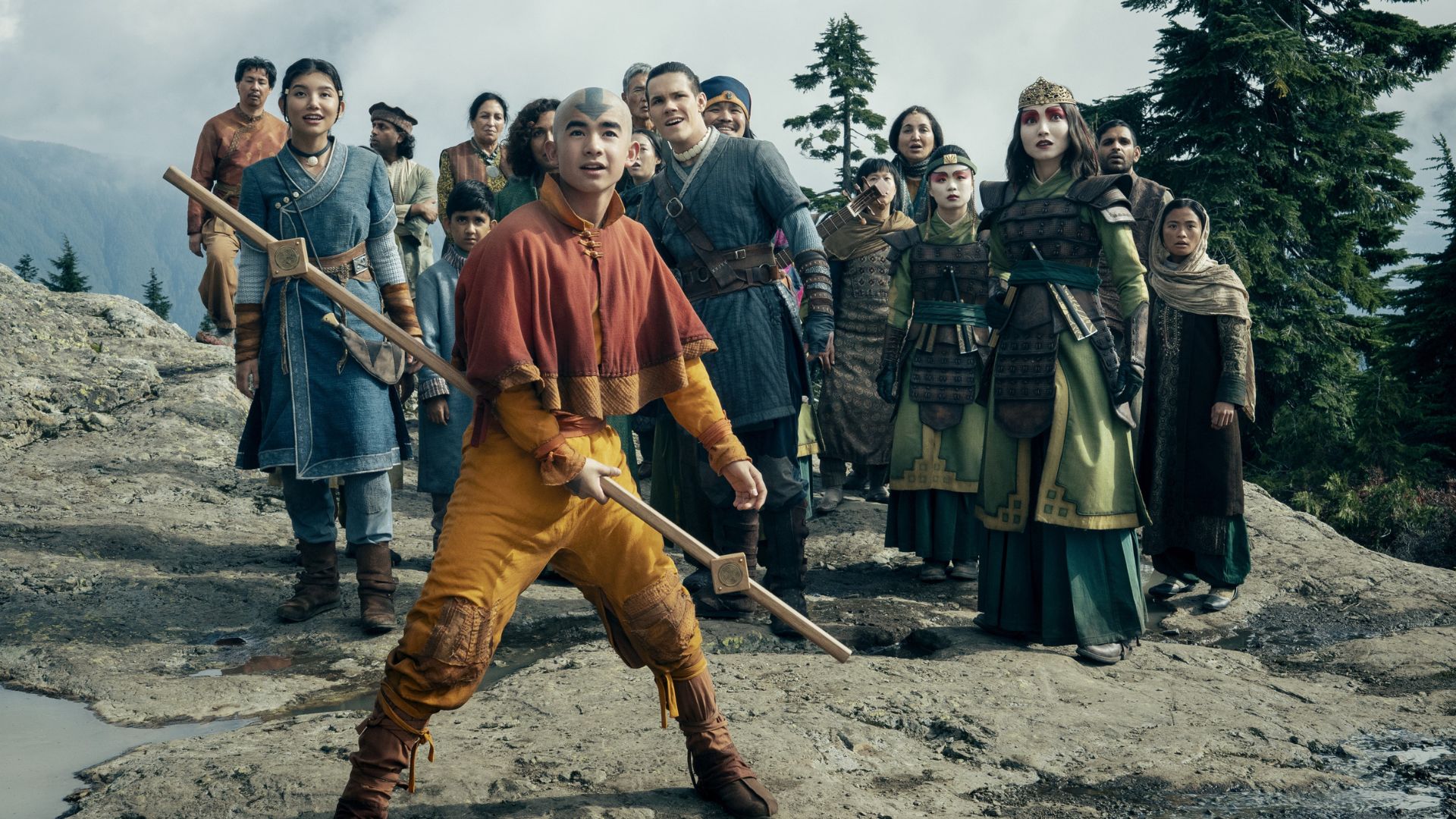
Everything else in Avatar: The Last Airbender season 2 feels like more of the same — and that's a huge problem when it comes to the visuals. Broadly speaking, the Four Nations are jaw-droppingly gorgeous, and the detail that the creative team has packed into the landscapes is nothing short of impressive.
The immediate VFX, such as the bending that our characters use, leave a lot to be desired. It's obviously not a usual thing for people to have fire and water shooting out of their hands, so we're suspending a great deal of belief anyway... but being in the moment doesn't help when seeing it happen looks so fake.
This lumps season 2 into the same visually poor category as The Witcher, which is another comparison I made during season 1's debut. Cover the faces of the actors, stick them in the woods for a combat scene, and you'd be hard-pressed to tell the shows apart. Netflix is determined to make all of its genre programs look exactly like one another, and I'm baffled as to why.
Then there's the ultimate ending, which we already know without including spoilers. Much like other long-running anime series like One Piece (with its Netflix adaptation also guilty of this), we've known about the final endgame from its first five minutes. Here, it's for Aang to learn his bending skills, become all-powerful, and defeat Lord Ozai and the Fire Nation.
With a third series already confirmed, this is being drawn out for as long as humanly possible. It was obvious that none of the above was going to be achieved by the time season 2 wrapped up, so we've made little substantial progress from when Aang's goal was first introduced.
For me, the constant theme of "Oh no! Danger is on the horizon, and the Fire Nation must be stopped" is going to wear thin quickly. I'd really like to see season 3 mix things up, but I'm guessing that it won't.
Did I enjoy seeing Aang and the gang in 2026 more than in 2024? Absolutely. Has it renewed my interest in seeing them again at the end of 2027 (season 3's assumed release window)? Far from it.
Share
What's Your Reaction?
 Like
0
Like
0
 Dislike
0
Dislike
0
 Love
0
Love
0
 Funny
0
Funny
0
 Angry
0
Angry
0
 Sad
0
Sad
0
 Wow
0
Wow
0