‘In some jobs, they want to be replaced’: Chinese robotics company Agibot says humanoids could take over ‘dangerous’ jobs — and one day even teach children
At Agibot's UK launch event, an executive for the Chinese company spoke on its bold vision for the future of work.

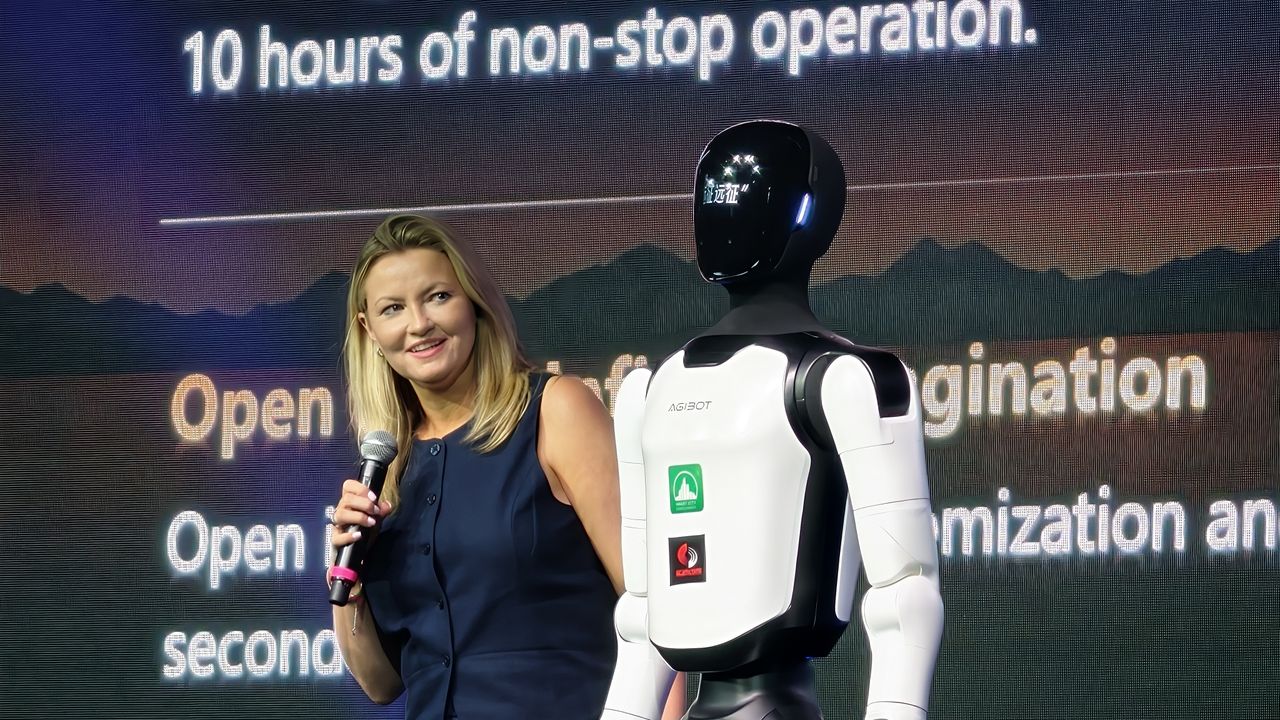
- A Chinese robotics firm has said that some workers ‘want to be replaced’ by its humanoid robots
- Agibot has launched its range of humanoid and quadruped robots in the UK B2B sector
- The company's Europe and US lead also said that robots could become nurses and teachers
An executive for Chinese robotics firm Agibot has said the company believes its humanoid robots could replace certain human workers — and that “in some jobs, they want to be replaced.”
Agibot, founded in 2023 by two ex-Huawei engineers, makes humanoid, quadruped, and cleaning robots for the business-to-business (B2B) sector, advertising use cases like manufacturing, cleaning, entertainment, and construction.
The company recently rolled its 15,000th unit off the production line and announced its expansion into the UK market at an event in London on June 30.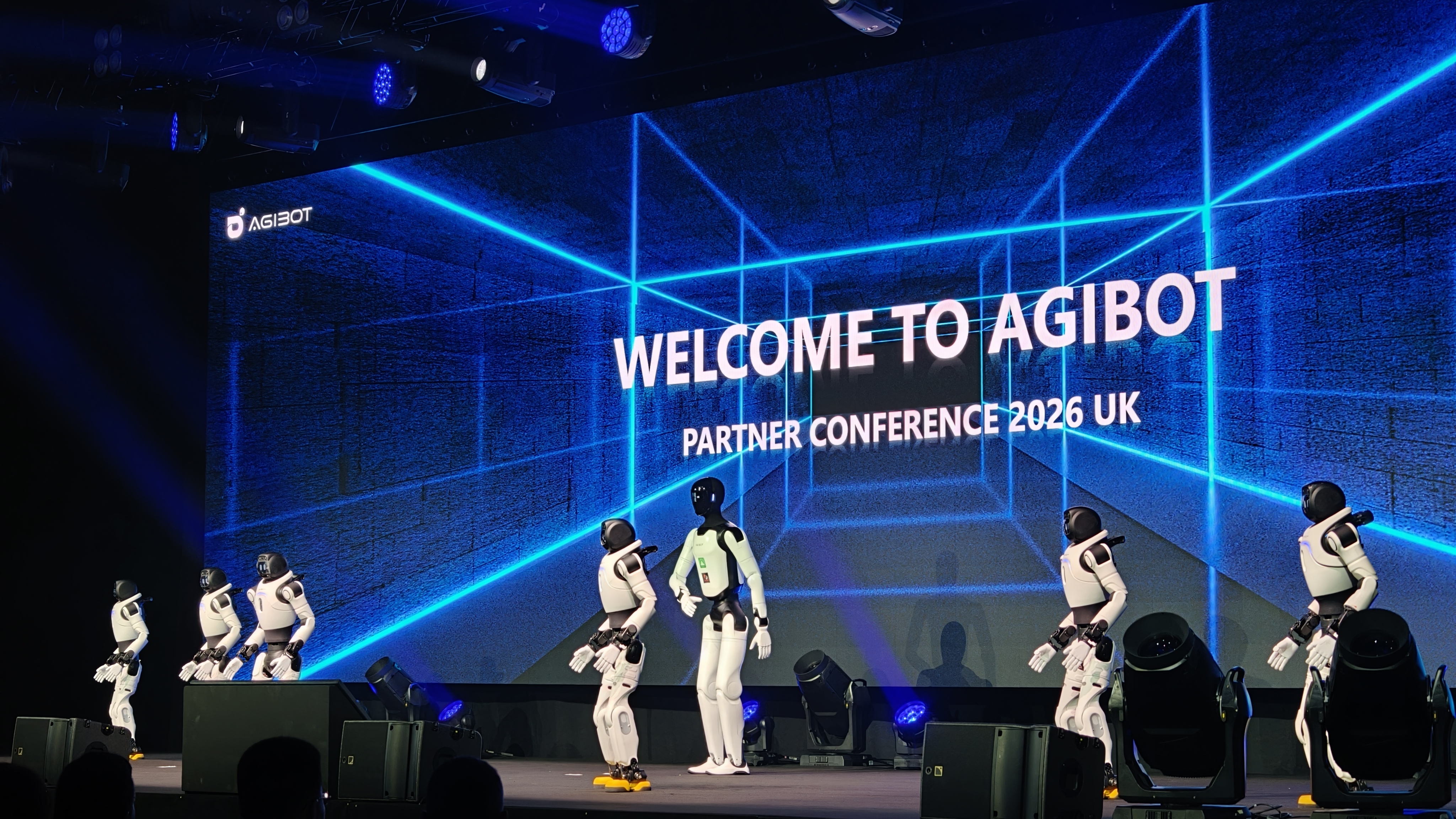
In a press conference at the event, attended by TechRadar, the president of AgiBot Europe and America, William Shi, told reporters that “we’ve got to factor people doing dangerous, boring, and repeatable jobs — these kinds of jobs can be very easily replaced.”
Shi added: “For some job descriptions, they want to be replaced, because it’s very boring, very dangerous, and very high-risk — nobody wants to do this [kind of job]”.
‘Replaced by robotics’
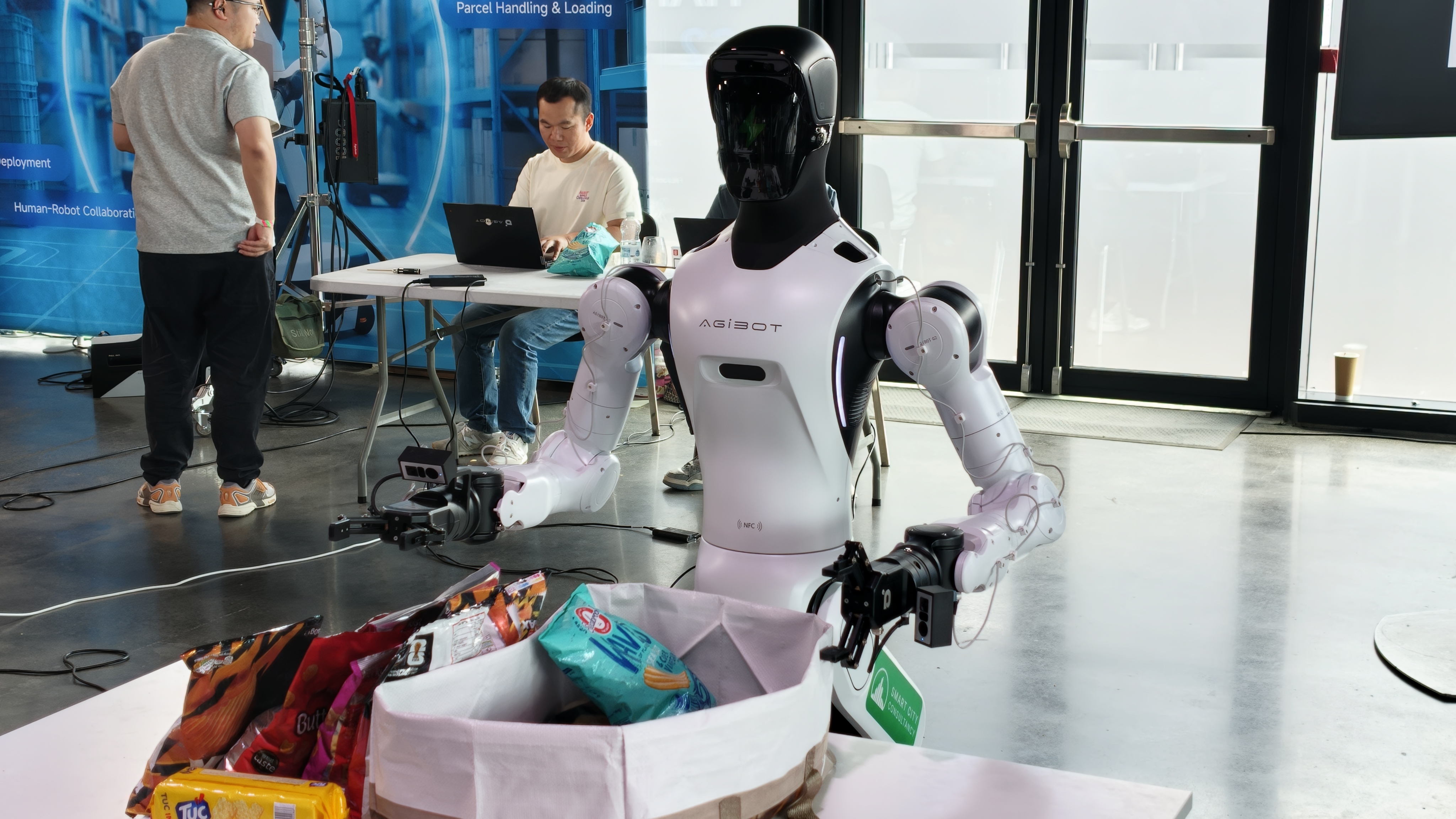
Agibot's product range includes the full-sized A3 humanoid robot, the half-sized X2 humanoid robot, and the D1 range of quadruped robots (with form factors resembling dogs, though the company never describes them as such).
Though the company has just landed in the UK, its robots have been successfully deployed in manufacturing facilities in China. A recent YouTube livestream shows the G2 industrial robot ‘at work’ at the Longcheer electronics factory, where the humanoid robots are deployed alongside human employees.
Speaking about Agibot's deployment with Longcheer, Shi said: “They have a lot of workers standing for eight hours per day. They take a smartphone, turn it around, and put it in a box. And then they take the box and move to the next production phase.”
“These kinds of steps can be easily — and are expected to be — replaced by robotics,” he continued, “because that doesn’t create value or create happiness for people. They don’t learn when they do this job. They don’t invent things.”
At present, Agibot's products are not autonomous, but each is equipped with a three-part AI model, with each part controlling interaction (with people), locomotion (moving around), and manipulation (of the local environment — i.e., picking stuff up), respectively.
The company is actively aiming for autonomy, powered by the collection of usage data and further AI development, but Shi emphasizes that Agibot humanoids will remain “under the control and expectation of the human.”
Robot child-rearing
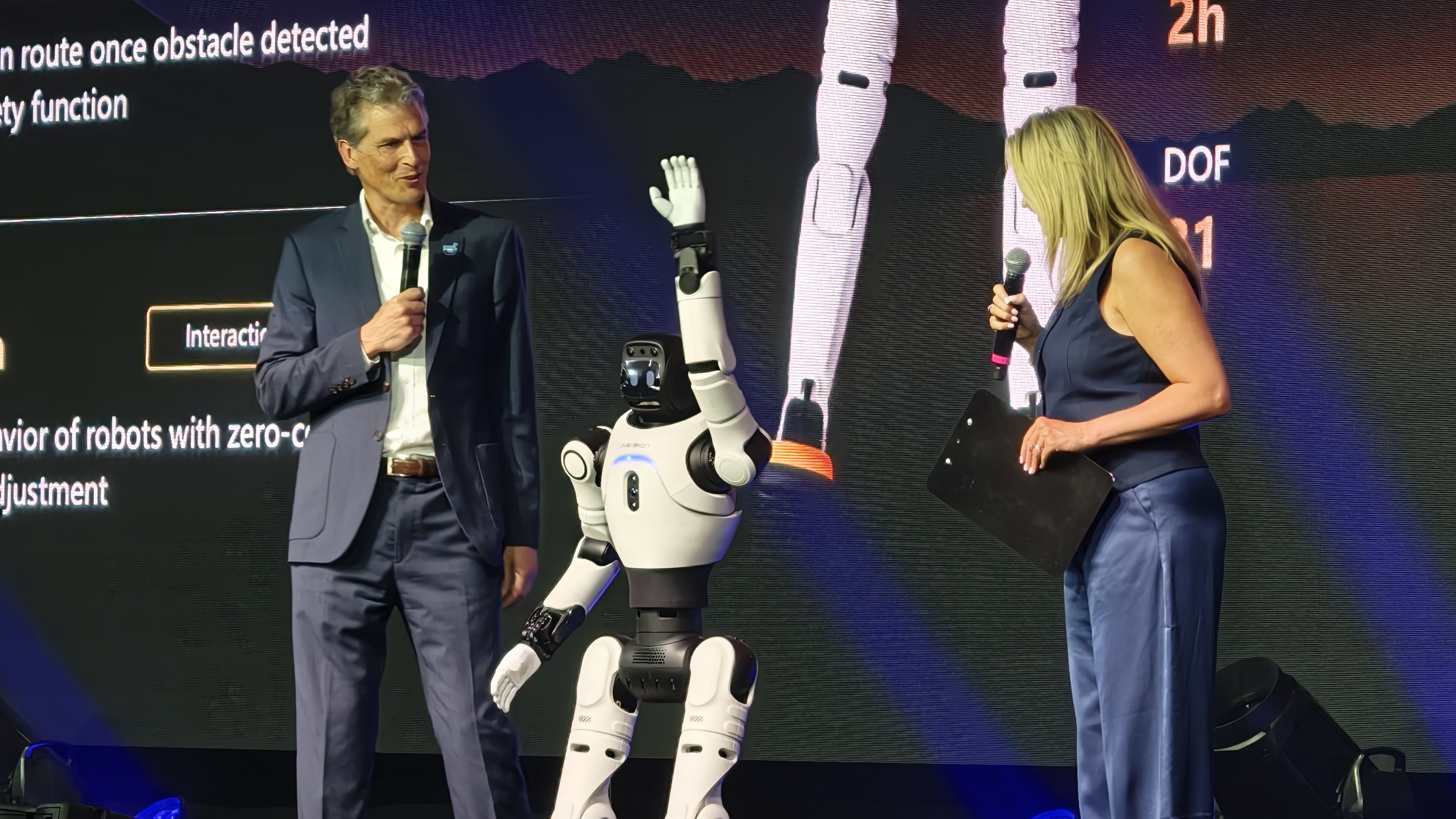
As well as manufacturing, Shi highlighted baristas, live entertainment workers, and even teachers and nurses as professions that could be occupied by robots: “There’s a big lack of nurses in every country, from China, to America, to Europe, and also a big lack of teachers.”
“Most of children’s questions can be responded to [by robots] — phonics, science, and mathematics questions, or even some common conversations. You ask for the weather, the humidity; you can ask these questions to all the robots, because they’re based on large language models.”
Still, there’s some distance between using ChatGPT to conduct research and allowing a humanoid robot to teach children — and according to 2025 research by KPMG and the University of Melbourne, while almost three quarters of UK adults use AI at work, less than half say they trust it.
With the B2C market a distant target for Agibot and an array of business partners — including Nvidia, which provides chipsets for the robots — backing the company's UK launch, it's clearly expecting to make big progress in B2B industries first and foremost. But Agibot isn't ruling out a future in which robots are part of our everyday lives.
“What we want in the future is that the robot can take some responsibility in daily life,” said Shi, “but they will never make the decisions instead of a human.”
Share
What's Your Reaction?
 Like
0
Like
0
 Dislike
0
Dislike
0
 Love
0
Love
0
 Funny
0
Funny
0
 Angry
0
Angry
0
 Sad
0
Sad
0
 Wow
0
Wow
0