I'm incredibly excited for The Witcher 4 - but CD Projekt Red needs to avoid the same performance issues The Witcher 3 and Cyberpunk 2077 once had
The Witcher 4 is my most anticipated RPG, but I hope CDPR has learned its lesson from Cyberpunk 2077's launch and prioritizes optimization over a massive world.

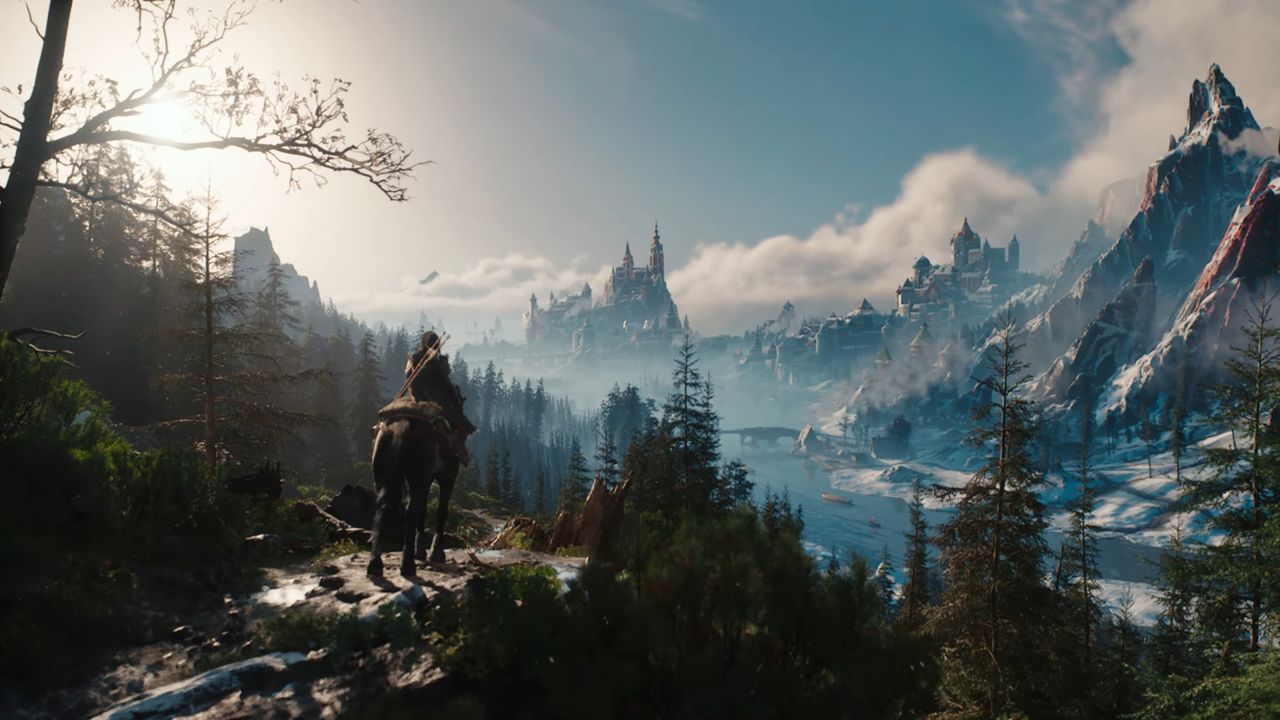
When CD Projekt Red finally announced The Witcher 4 was in development and dropped the first cinematic trailer at The Game Awards 2024, showcasing Ciri in all her butt-kicking glory, I jumped out of bed at midnight and did a backflip. Like most fans, I've been waiting for a new Witcher game for over a decade, and the news that the sequel will star Ciri on her own adventure easily made the game shoot up my most anticipated role-playing games (RPGs) list.
While the game is still in active development and there's no release date at this time, CDPR showcased a tech demo last year, offering an early glimpse into the Unreal Engine 5.6 features that will be used in The Witcher 4. It was confirmed that the demo wasn't actual gameplay, but rather an example of the cutting-edge technology, Unreal Animation Framework and Nanite Foliage rendering, that will power the game. Still, it's clear that CDPR has a huge ambition for the sequel.
The Witcher 3: Wild Hunt is a massive game, and as a certified fantasy RPG lover, I've spent hundreds of hours across multiple playthroughs exploring it as deeply as possible; so we should expect something similar for The Witcher 4, though I expect the graphical fidelity and attention to detail to be more impressive.
Game director Sebastian Kalemba and executive producer Gosia Mitręga have previously confirmed that the upcoming RPG will feature new regions never before seen in a Witcher game, but fans should expect a map size "more or less" the same as The Witcher 3's.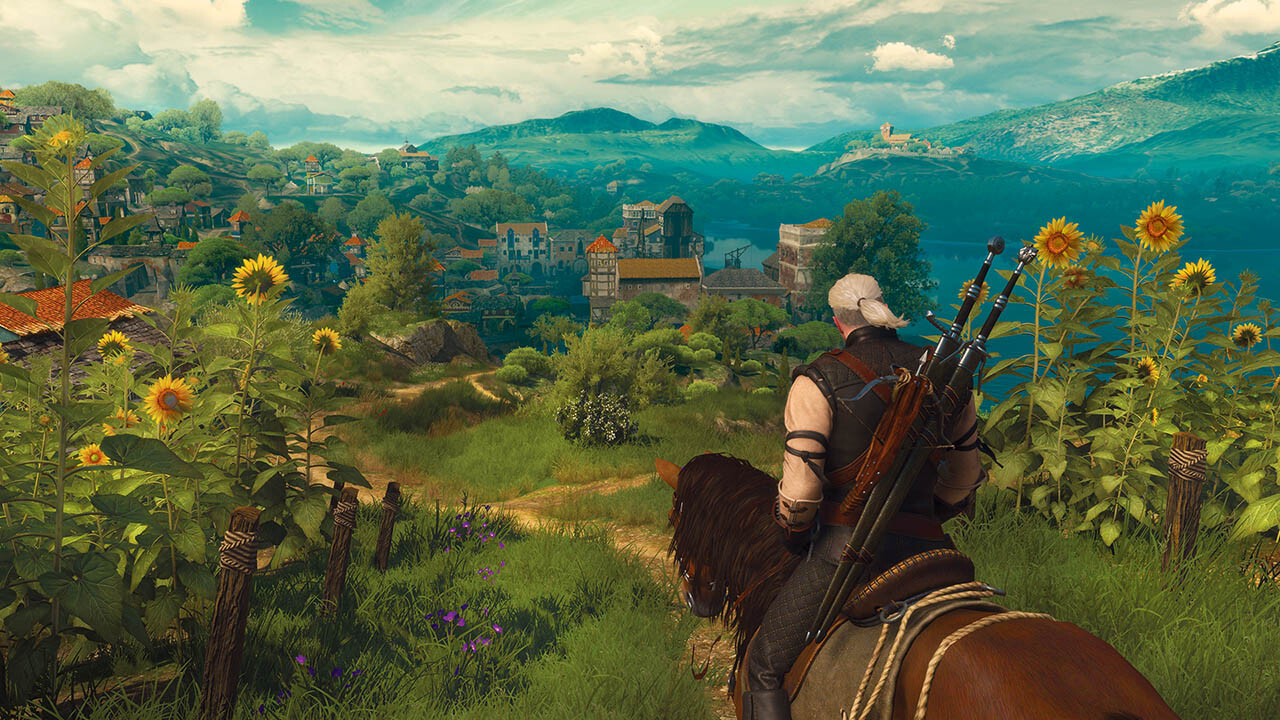
"The map is definitely more or less when it comes to size, the amount of quests, more or less the same," Kalemba said at the time. "Again, the game is going to be big. But also, the ambition of the entire team is huge. So first and foremost, we want to deliver a super compelling experience.
"Again, quality over quantity. But definitely, what we can promise: Yes, this game is going to be pretty big. It's going to be big compared to everything we've prepared so far..."
I won't lie and say I'm not looking forward to getting lost in the world of The Witcher 4; sprawling landscapes, intricately built cities, hidden dungeons, all wrapped in a sense of realism and reactivity that the Polish studio is best known for? I'll be there day one. That being said, as impressive as a highly detailed fantasy open world can be, it's hard not to worry about the game's launch.
We've seen the same song and dance before. Ambitious open-world RPGs launching in a sorry state, hindered by performance issues, bugs, and crashes, and CDPR's games are no exception.
The Witcher 3, while an exceptional experience today, launched with plenty of instability bugs, and while it took a while for the game to overcome them, it's the studio's futuristic action-RPG Cyberpunk 2077, in particular, that is remembered in history for having one of the worst game launches of all time.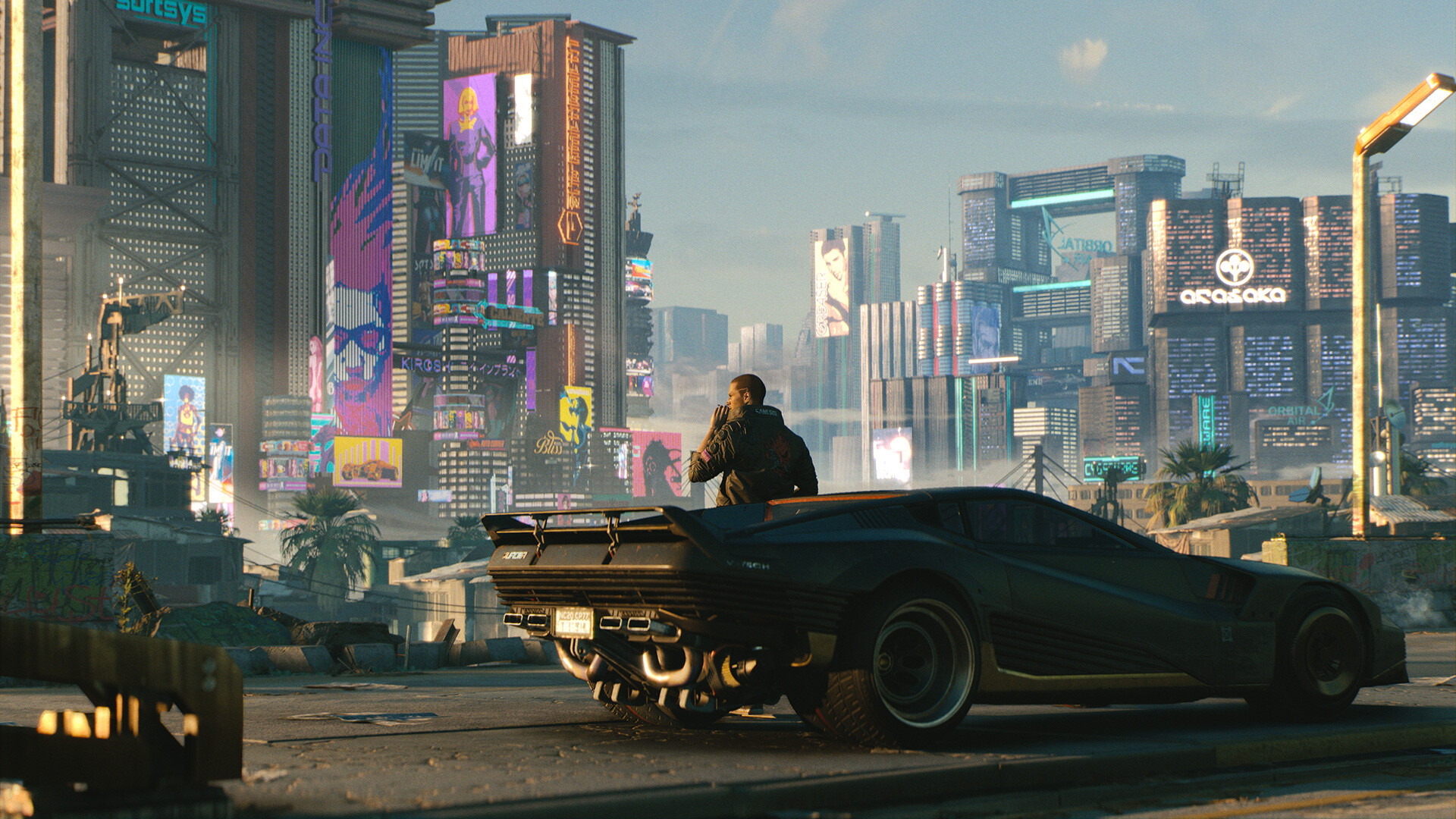
If you didn't play the game when it released in 2020, let me briefly set the stage. It's 2013, and CDPR just released the first Cyberpunk 2077 cinematic teaser trailer, sparking overwhelming excitement among the studio's fanbase. But it wasn't until five years later that the official trailer was released, promising an expansive and interactive Night City, complex NPC routines and crowds, and incredible levels of character and gameplay customization. It was all the internet seemed to talk about.
It was the most anticipated game ever at the time, and excitement levels hit an all-time high when, in 2019, it was revealed that actor Keanu Reeves would star in the game, as well. An April 2020 release date was set, but the game was delayed twice, until Cyberpunk 2077 finally launched in November 2020. And... it was disastrous.
There were many factors that led Cyberpunk's terrible launch, many of which were down to crunch and rushed time management schedules, marketing promises that set expectations too high, and pressure from executives to release the game on last-gen consoles, which the studio was forced to work on until the very last moment.
"After three delays, we as the Management Board were too focused on releasing the game," said former CDPR president and joint CEO Adam Kiciński at the time, "We underestimated the scale and complexity of the issues, we ignored the signals about the need for additional time to refine the game on the base last-gen consoles. It was the wrong approach and against our business philosophy. On top of that, during the campaign, we showed the game mostly on PCs."
You couldn't ignore the performance issues that persisted, making the game largely unplayable on console; they were so bad on PS4 and PS5 that Sony issued full refunds and temporarily removed the game from the PlayStation Store, and it didn't return until a year later.
Miraculously, Cyberpunk 2077 experienced a renaissance, and over the years, CDPR delivered on its promise to fix the game and release a steady stream of significant patches that smoothed out the critical performance issues plaguing it across all platforms. Those updates even included new content, improved gameplay features, and the critically acclaimed Phantom Liberty expansion. Now, despite all its launch woes, it's regarded as one of the best RPGs you can play today.
While CDPR managed to save Cyberpunk in the end, I don't want The Witcher 4 to have to suffer the same fate at launch. Even though the studio has switched from its in-house REDengine to Unreal Engine 5 for this project, which boasts specialized tools that offer better stability, Unreal Engine isn't without its faults; I think it's in its best interest to address PC and console optimization first over an impressive and massive open world that could cause problems down the road. 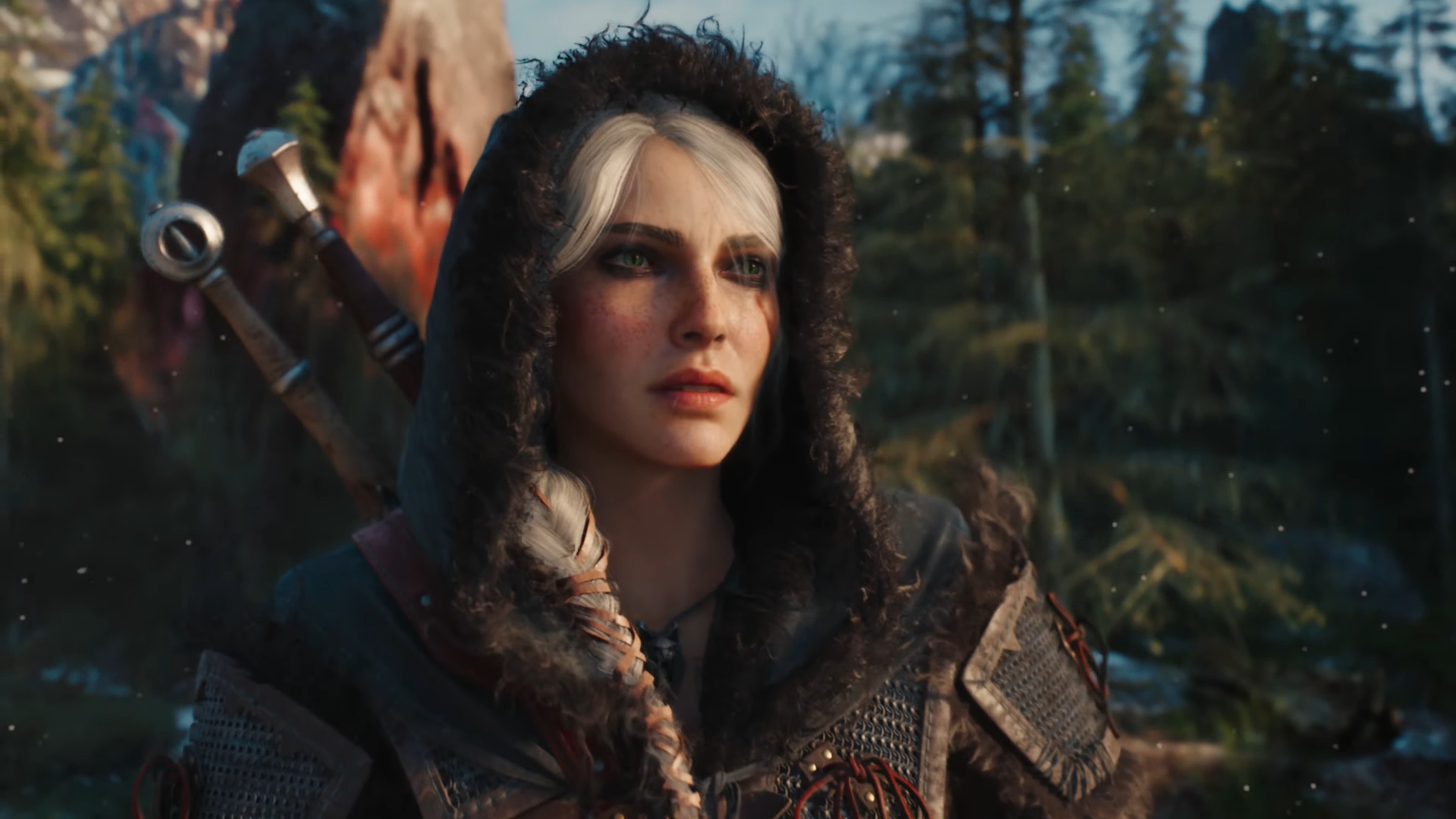
The Blood of Dawnwalker director Konrad Tomaszkiewicz, who also directed The Witcher 3: Wild Hunt, recently spoke to TechRadar Gaming about Rebel Wolves' upcoming dark-fantasy RPG, explaining that the game wouldn't exist if it weren't for the experience of former The Witcher 3 and Cyberpunk 2077 developers.
Since the game has so many "complex choices and consequences, with so many unique mechanics," he explained that the team built on what it learned at CDPR. He also confirmed that the team prioritised optimization at the start of development to avoid the same launch issues as The Witcher 3 and Cyberpunk 2077.
"We learned how to approach the optimization of the game," he said. "When we started work on The Blood of the Dawnwalker, we already had people working on the optimization of our game all the time, right from the beginning.
"We didn’t want to be in a situation where we deliver a great game, but there are problems when we release it on consoles or some performance problems."
This is exactly what CDPR needs to do to avoid a messy Witcher 4 launch. Of course, the talented developers should take all the time they need to build the worthy Witcher 3 successor they dream of, but the magic of that experience will be lost if the game releases in rough shape. Focusing on optimization and ensuring that the game runs on current-gen and PC first and foremost, with no major performance issues, should be the priority.
CDPR recently confirmed that The Witcher 4 is in full production and recent comments from CDPR technical writers Jarosław Ruciński and Adrian Fulneczek (via GamesRadar) revealed that the studio is focused on documenting the technical process of its new games, something it wasn't able to do with older projects and which led to major development problems for games like Cyberpunk 2077.
"The future looks really promising for us," Fulneczek said of The Witcher 4 and Cyberpunk 2. "We learned our lesson. We've got some new requirements, especially a new definition of 'done'. So as you know, any project, any game goes through development stages, and right now, every stage ends with a gate. Part of the requirements to pass that gate is the documentation, which wasn't the case before."
Ruciński added, "Unlike in the past, now, today our knowledge isn't locked between specific teams' permissions. It's a shared asset. If a team working on, let's say, The Witcher figures out a solution for a specific issue, the Cyberpunk team can see it, benefit from it, take it into their own code, modify it probably a little bit."
He explained that "problems aren't being solved multiple times by different teams, and also that if a breakthrough happens on one of the projects, the whole company benefits."
While not necessarily a direct comment on performance optimization, I'm cautiously optimistic that this means CDPR has taken lessons learned from Cyberpunk's launch to deliver a Witcher 4 launch experience worth remembering, positively this time.
Share
What's Your Reaction?
 Like
0
Like
0
 Dislike
0
Dislike
0
 Love
0
Love
0
 Funny
0
Funny
0
 Angry
0
Angry
0
 Sad
0
Sad
0
 Wow
0
Wow
0