'If I feel guilty taking a device off, that's a warning sign': How fitness trackers made me — and others like me — obsessed with over-optimization
Some people struggle to switch off from their wearables, but is there anything brands can do about it?

I didn't realize I'd developed an unhealthy obsession with wellness and optimization. But looking back, there were definitely signs. This was more than a decade ago, long before recovery scores, longevity influencers and what the best smart ring colors are became water cooler conversation.
As a technology journalist, reviewing health gadgets and fitness trackers has always been part of my job but they gradually spilled over into my personal life too. At one point, I was wearing multiple fitness trackers at the same time because I didn't fully trust any single device. I'd compare the data, then transfer it into spreadsheets each night so I could better analyze it myself.
Most days I walked more than 20,000 steps. Some days it was closer to 30,000 and I got such a kick out of seeing those numbers climb up. I became fascinated by the idea that there was an optimal way to do almost everything. An optimal diet, optimal morning routine, optimal supplement stack and an optimal sleep schedule.
Every new wellness trend arrived with the promise of hidden knowledge and I was eager to believe it. I spent money on retreats, courses and gadgets. I followed advice that ranged from questionable to ridiculous. And the less said about the gruelling fasting retreat where we were all given daily wheatgrass enemas, the better.
The strange thing is that none of this felt unhealthy at the time — if anything, it felt virtuous. My trackers congratulated me for hitting goals and fitness apps handed out badges and streaks. There was always another target to hit and another metric to improve. The obsession disguised itself as self-improvement so effectively that I barely questioned it.
What I didn't understand at the time was how thin the line between discipline and obsession can be. You can cross it gradually, one habit and one goal at a time, until something that started as a genuine attempt to look after yourself becomes another source of pressure, anxiety and control.
More than a decade later, as wearables, recovery scores and optimization culture have since become mainstream, I don't think my experience is unusual. If anything, I'm surprised we don't talk more about the psychological cost of constantly measuring ourselves and the role technology plays in keeping us focused on the numbers.
Why health data can become a trap
For a long time, I assumed my experience was unusual. When my obsession with optimization was at its worst, there weren't podcasters talking about longevity-maxxing and relatively few people owned fitness trackers.
Over time, I managed to develop a healthier relationship with exercise and health data. But as wearables have become more common and self-tracking has moved into the mainstream, I've started noticing some of the same patterns I once recognized in myself.
When I spoke to psychotherapist Sarah Dosanjh, who works with people experiencing health anxiety and disordered relationships with food, much of what I'd experienced sounded familiar.
"What I'm noticing in my practice is that people who already have some form of anxiety seem particularly drawn to health data technology devices," she says. "An anxious client seeks certainty and control and health information feeds a sense of control, making it very appealing to an anxious person."
Looking back, some of the periods when I was most immersed in tracking and optimization were also periods when other parts of my life felt uncertain or difficult. The data gave me something concrete to focus on. It offered numbers, targets and routines at times when everything else felt far less predictable.
Dosanjh explains the irony is that tools designed to help people feel more in control can backfire. "The most common devices I see people struggling with are food and exercise tracking apps and continuous glucose monitoring devices," Dosanjh says. "But what starts as feeling in control can quickly turn into feeling controlled by the technology."
She describes people becoming increasingly preoccupied with maintaining specific numbers and avoiding anything that might disrupt them.
"Closing exercise rings, achieving a certain step count and keeping blood sugar within a specific range can turn into a compulsion,” she tells me. “Anxiety peaks at the mere thought of not hitting numbers. What feels like a good thing to do for your health can become a source of intense anxiety instead."
These behaviors rarely look unhealthy from the outside. Going for a walk, exercising regularly or paying attention to what you eat are generally considered positive things. The difficulty is knowing when useful habits become rigid rules and when health stops being something that supports your life and starts becoming the thing your life revolves around.
Dosanjh says that cycle can become self-reinforcing. "This situation becomes more dangerous when the person believes they can manage this added anxiety by setting even higher goals,” she explains. “They are chasing the initial relief and dopamine hit that they experienced early on in their tech use. It can become an addictive trap, driving people further into disordered eating and compulsive exercise."
I think that’s what makes optimization culture so difficult to talk about. For some people, tracking genuinely is helpful. It can encourage movement, show them useful patterns and provide much-needed motivation via streaks and digital rewards, such as badges and kudos from other users. For others, particularly those already vulnerable to anxiety, perfectionism or compulsive tendencies already, the same tools can pull them further down a path they may not even realise they're on.
When tracking went mainstream
When I first started reviewing fitness trackers, this kind of behavior felt relatively niche. Most people weren't tracking their sleep. Very few people knew what heart rate variability was. The idea of waking up and checking a readiness score before deciding how hard to exercise would have sounded bizarre. But today, optimization is everywhere.
More than 45% of people in the UK and around 60% of people in the US now own a smartwatch or fitness wearable. Even if you don't actively seek out health tracking, many of the features, like step counts and calorie estimates, are now built directly into devices like Apple Watches or smartphones that we all use every day.
Despite this, researchers are still trying to understand the psychological impact of living with a constant stream of biometric data. There's no clear evidence that large numbers of wearable users are developing serious problems. But a growing body of research does point towards some worrying patterns. Several studies have linked fitness tracking technologies with increased anxiety, body dissatisfaction and rumination. Others have found associations between wearable use and higher levels of obsessive-compulsive traits, like perfectionism and over-conscientiousness.
I found that one study even introduced a new term: technohypochondria. Researchers defined it through three features: biometric data obsession, digital catastrophizing and a pathological need for algorithmic feedback. Unlike traditional health anxiety, which tends to focus on illness itself, technohypochondria describes a dependence on the continuous flow of personalized health data and the reassurance it appears to provide. I guess I’m a recovering technohypochondriac?
What I found particularly interesting was that researchers working on one of the key studies raised a really important question: “are people with pre-existing compulsive tendencies more drawn to wearables, or do continuous tracking and feedback loops foster or exacerbate these tendencies?”
It’s a chicken-and-egg sort of question and the answer is probably complicated. But the researchers do suggest a feedback loop may exist, where pre-existing vulnerabilities and constant self-tracking reinforce one another.
None of this means that everyone who wears a smartwatch is heading towards a crisis. I know personally that I did already have compulsive tendencies and controlling behaviors with food long before Fitbit released its first device. But I think it does suggest that the emotional impact of optimization deserves more attention than it often receives. Because once tracking becomes woven into everyday life, it can be surprisingly difficult to tell where useful information ends and unhealthy fixation begins.
When the numbers become the point
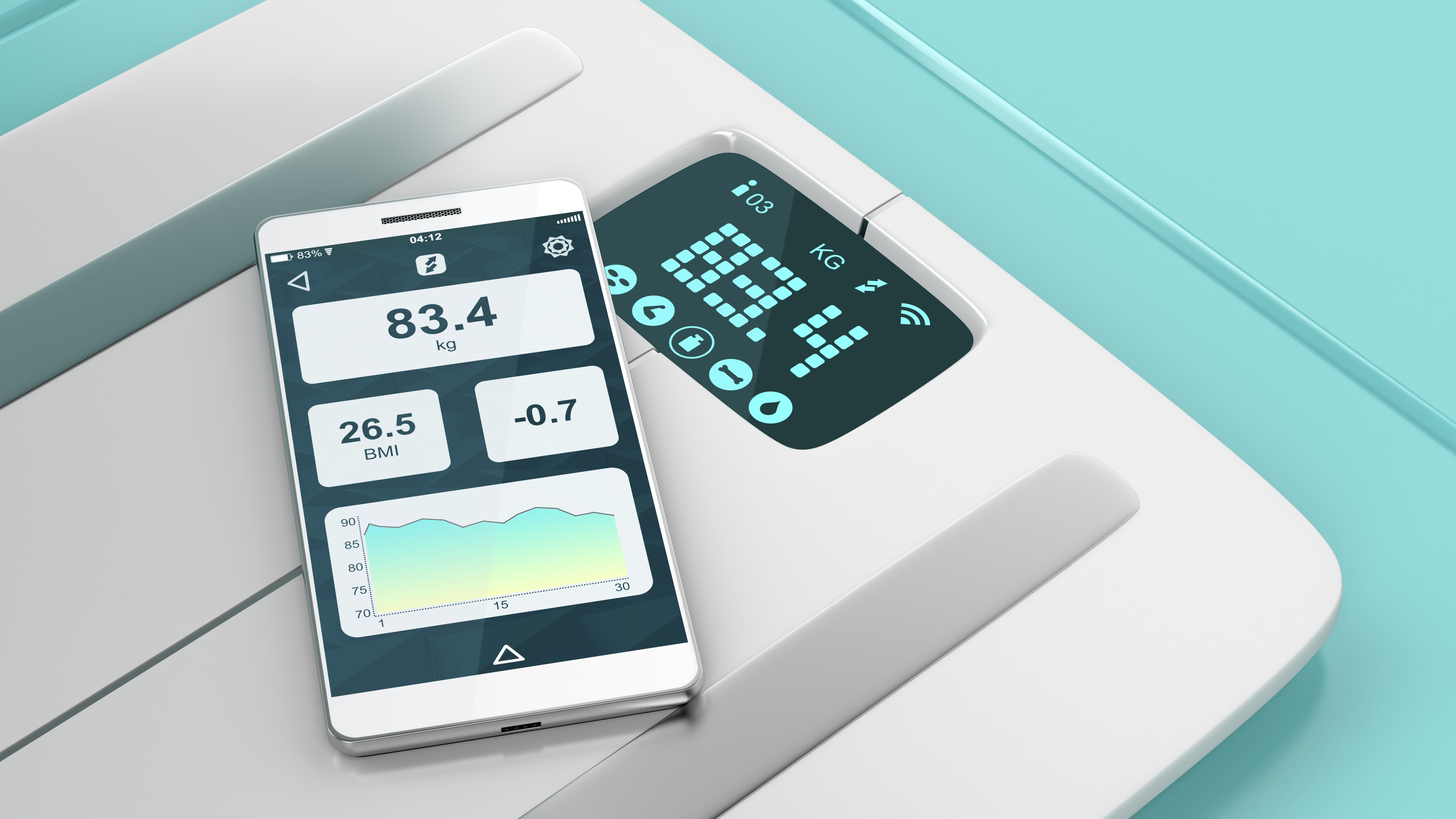
When I asked my friends and followers on social media to share their experiences with wearables and health tracking, I expected a handful of disparate stories. Instead, I heard from people who described becoming trapped by numbers in ways that felt extremely familiar.
Some were dealing with chronic illness. Others were recovering from major health events. Some simply wanted to get fitter or sleep better. But again and again, there was the same pattern. What began as a search for reassurance gradually became another source of anxiety.
I spoke to Emma, who started relying heavily on health data after cancer treatment and surgical menopause left her worried about the long-term impact on her health. "My watch became reassuring," she tells me. "I thought if my heart rate looks normal, I'm probably okay."
But over time that reassurance became its own form of dependence. "It felt like I was controlling my health anxiety," she says. "But I think I was just making it worse."
Sarah, who has used wearables for years while managing endometriosis and dysautonomia, described a different concern. "I wake up and let Oura tell me if I've slept well and then Visible gives me a score for the day, and that just feels wrong," she says. What impacted her most was the lack of trust she had in her own judgement. "I think it's made me lose trust in myself a little. Am I actually tired and am I really that stressed because an app said so?"
I think that gets to the heart of what can make continuous tracking so complicated. The problem isn't necessarily that you’re looking at data a lot — the problem is what happens when the data becomes more important than your own lived experience.
Understanding the cycle
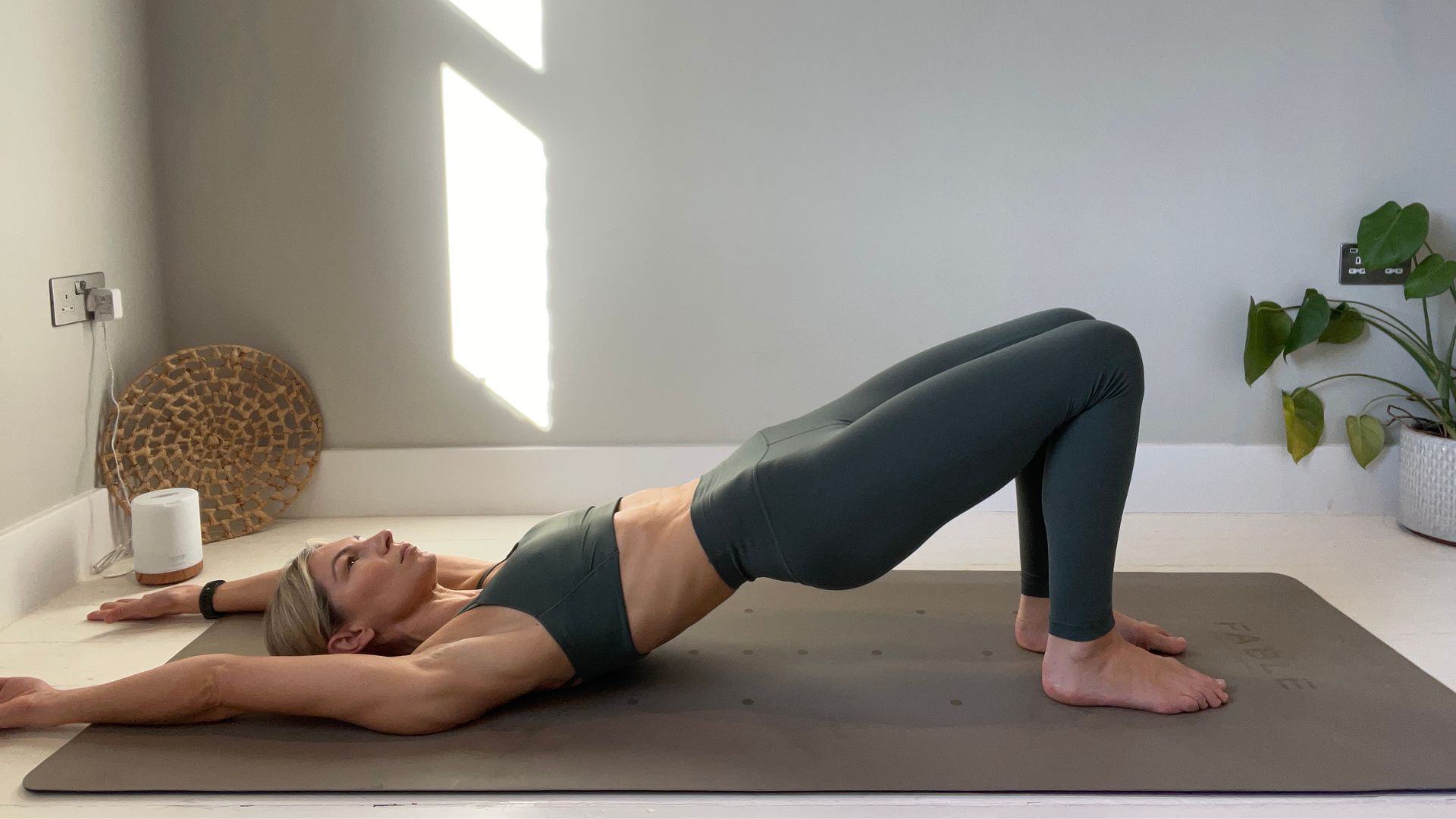
Even though all of the stories I heard about wearables were different, a common thread was just how many seemed to be born from a feeling of trying to manage uncertainty.
Many of the people who contacted me weren't trying to become superhuman, chase longevity records or optimize every minute of their lives when they first started tracking. They were dealing with health scares, chronic illnesses, anxiety, weight issues and burnout.
And the data that their wearables collected offered reassurance. But the problem is that reassurance doesn't tend to last.
"Many of my clients understand that something doesn't feel quite right about their technology use, but they are afraid to stop using it," Dosanjh tells me.
She often explains this through what psychologists call the anxiety cycle. It starts with uncertainty. Am I healthy? Am I eating the right thing? Am I doing enough? The device provides an answer, whether that's a sleep score, a heart rate reading or a closed exercise ring. The anxiety temporarily decreases and the brain learns that checking the data creates relief.
But, over time, that starts to fade. "The temporary relief that comes from hitting a target or seeing a reassuring number keeps feeding the illusion of mastery over your health," Dosanjh explains. "Helping clients understand that what they are seeking in the tech is certainty, and since complete certainty is impossible, the focus of our work moves from trying to eliminate anxiety to developing the capacity to tolerate uncertainty."
That really describes my own experience. The more I tracked, the more I felt I needed to track. The more information I had, the more information I wanted. The pursuit of health slowly became the pursuit of certainty, which, as we all know logically, isn’t something you can ever get, achieve or “win” at.
What actually helped me
A big part of getting better was realizing that my obsession with health data wasn't really about the health data at all.
Looking back, some of the periods when I was most preoccupied with optimization were also periods when other parts of my life felt difficult, uncertain or out of my control. The trackers gave me something concrete to focus on. There was always another metric to improve, another target to hit, another problem that seemed solvable.
But many of the things I was actually struggling with couldn't be fixed with a spreadsheet or a sleep score. Therapy helped me recognize that pattern. So did learning to tolerate uncertainty a little better. Over time, I became less interested in controlling every variable and more interested in understanding why I felt the need to control them in the first place.
That doesn't mean the tendency completely disappeared, I still recognize it in myself from time to time. The difference is that now I see it for what it is and can catch the early warning signs.
Should wearables be designed differently?
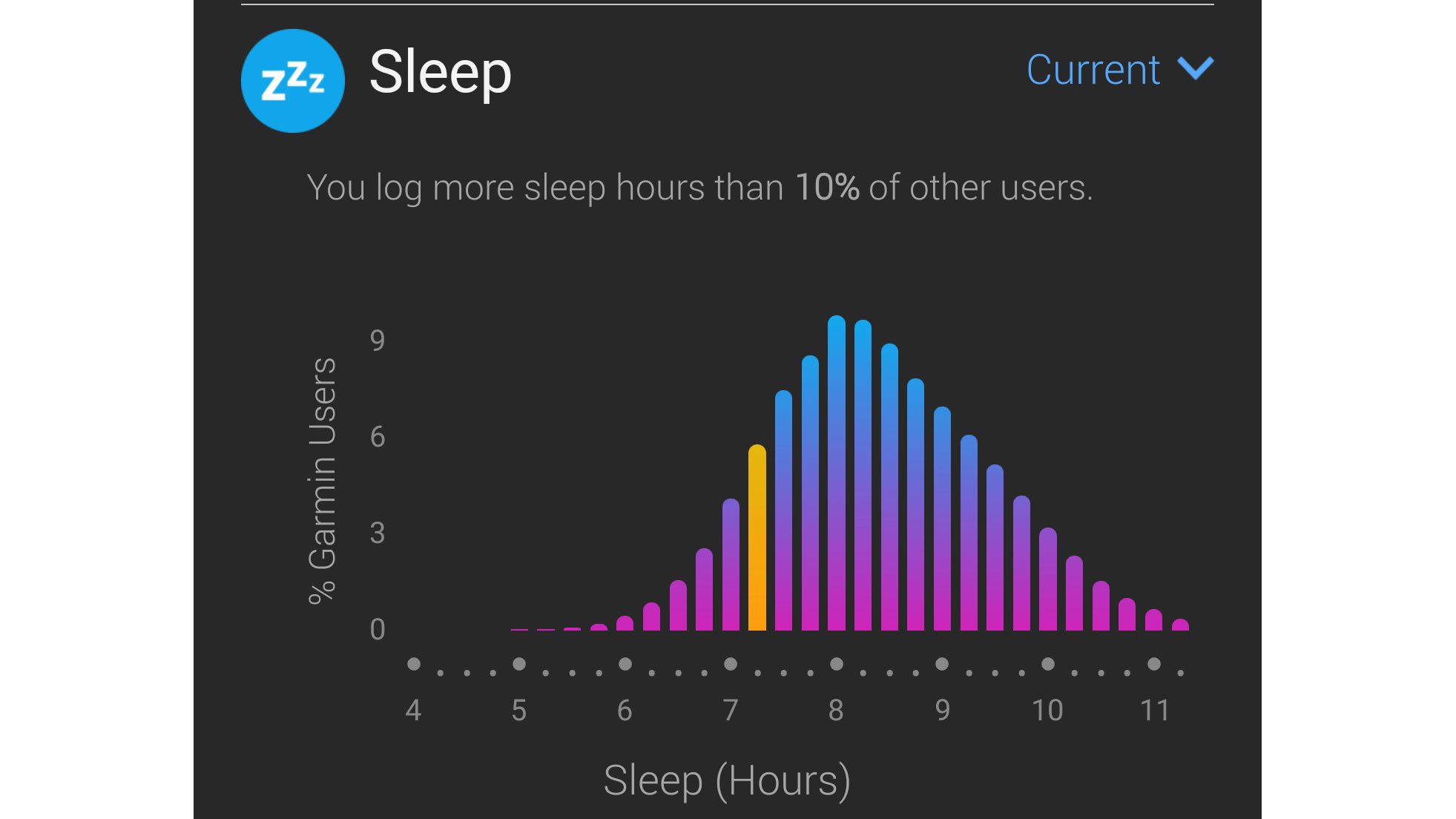
I don't think every fitness tracker needs to be redesigned around people like me. The most effective intervention for my own unhealthy behavior was surprisingly simple: I took all the devices off. But some researchers argue that the design of wearables does deserve more attention.
One of the studies I looked at found that some of the negative psychological effects associated with fitness technologies could be linked to the features themselves. Feedback systems, gamified rewards, social comparison tools, constant notifications and the stream of immediate statistics can all encourage people to engage more frequently with the data, sometimes in ways that become unhelpful.
The researchers believe that psychological wellbeing should be treated as an important measure of success alongside more familiar metrics, like engagement, accuracy and battery life.
That doesn't necessarily mean removing goals or progress tracking. But it could mean giving people more control over how they interact with the technology.
Based on what I’ve seen from years reviewing wearables, that could mean less judgemental language, fewer alarming warnings, more ways to take breaks without feeling punished, and more flexibility over what data is displayed and when.
Most wearable companies already offer some degree of customization. Yet many products are still built around the assumption that more engagement is always better. In many cases that's true; regular use makes the data more useful over time because you can see patterns and track trends. But there should always be room for people to step back when they need to. A healthy relationship with wearable technology shouldn't require constant engagement, and users shouldn't feel punished for taking a break.
Health should improve your life, not become your life
The irony is that I became interested in health and fitness because it genuinely helped me. I learned from a really young age that exercise improved my mood, moving more reduced my anxiety and looking after myself made life feel calmer and more manageable. But I started paying way too little attention to how I felt and too much attention to what the numbers said.
These days, I still review fitness technology and sometimes still wear trackers outside of work. But I pay attention to different things now. If I feel guilty taking a device off, that's a warning sign. So is chasing a target despite being exhausted and spending more time thinking about the data than paying attention to my actual experience.
But most importantly, I ask myself what else is going on. Because when I feel like I’m becoming overly fixated on optimization, there's often something else happening underneath. Data is usually not the cause. It's just where all that energy and anxiety ends up being funnelled.
Dosanjh encourages people to approach health data as information rather than instruction. "Health tech should be an enhancement in your life and not an additional source of stress," she says. "Prioritize your wellbeing over optimization."
She also encourages people to regularly check whether the technology is still serving the purpose they originally bought it for. "How you feel is a more helpful barometer of wellness than numerical data. Be clear about your reasons for using the tech and check they align with your life values,” she says.
That's the lesson I wish I'd understood years ago. Health should improve your life but not become your life. Because no matter how sophisticated our trackers are there are still some things they can't measure. Like whether you have enough energy to spend time with the people you love, whether you're enjoying your life and whether you're actually feeling well. Those are infinitely more important than if you hit 10,000 steps today.
Share
What's Your Reaction?
 Like
0
Like
0
 Dislike
0
Dislike
0
 Love
0
Love
0
 Funny
0
Funny
0
 Angry
0
Angry
0
 Sad
0
Sad
0
 Wow
0
Wow
0