I went hands-on with the Samsung Galaxy Z Fold 8, and this passport-shaped oddity has revived my interest in foldable phones
Prefer watching Netflix to taking photos? I tried the Samsung Galaxy Z Fold 8, and it might just be the best phone for streaming video.

I’ve tested plenty of the best foldable phones in my time at TechRadar, but I’ve never opted to use one of these devices as my main handset long-term.
I use my phone for consuming content — scrolling, reading, watching — more than I do for productivity tasks, and so the appeal of having a heavier phone with a giant, square-sized foldable screen isn’t, for me, all that strong. Why would I watch a YouTube video with big black letterboxing above and below it, when I could simply use my regular phone in landscape for a better video-watching experience?
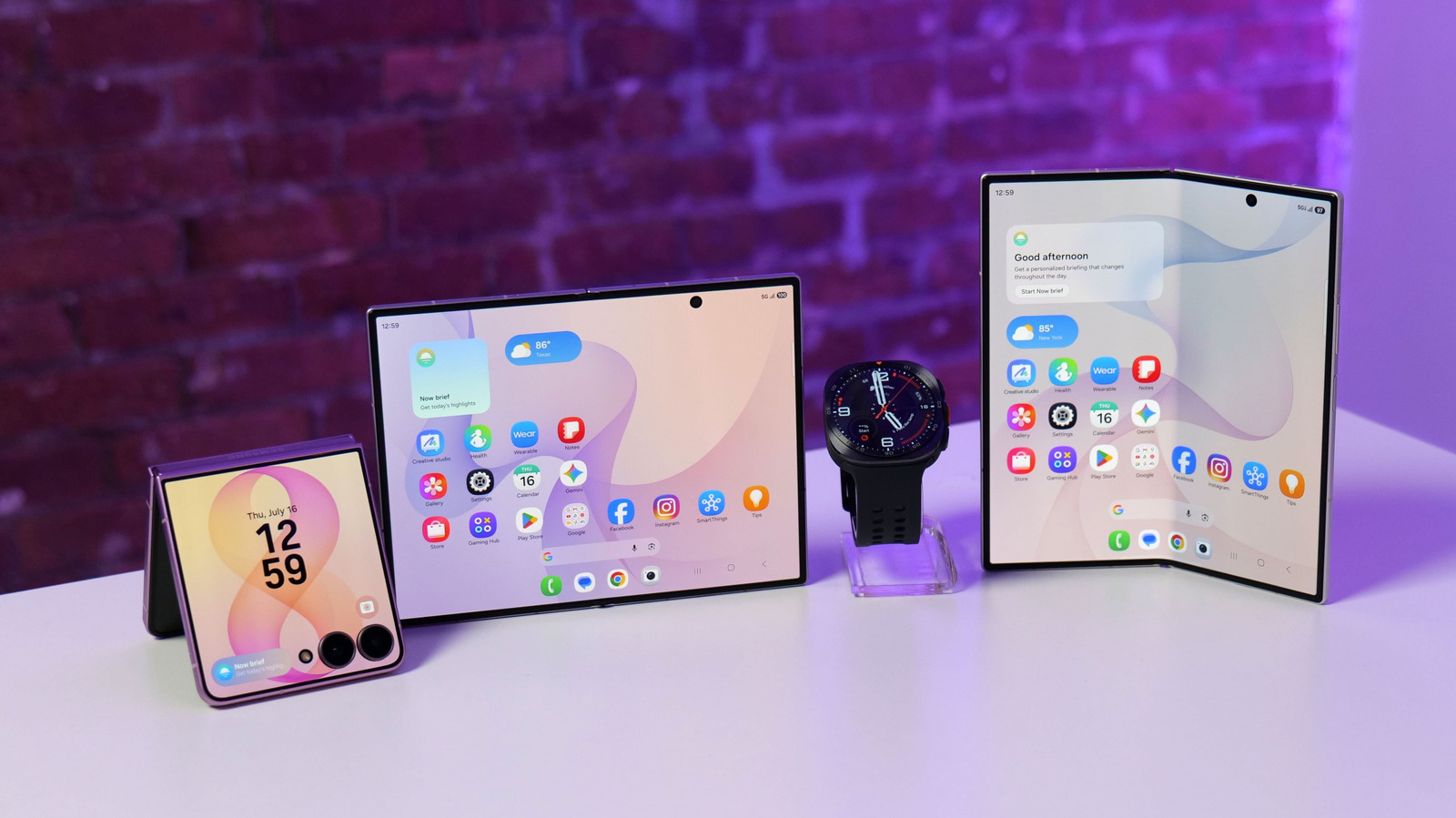
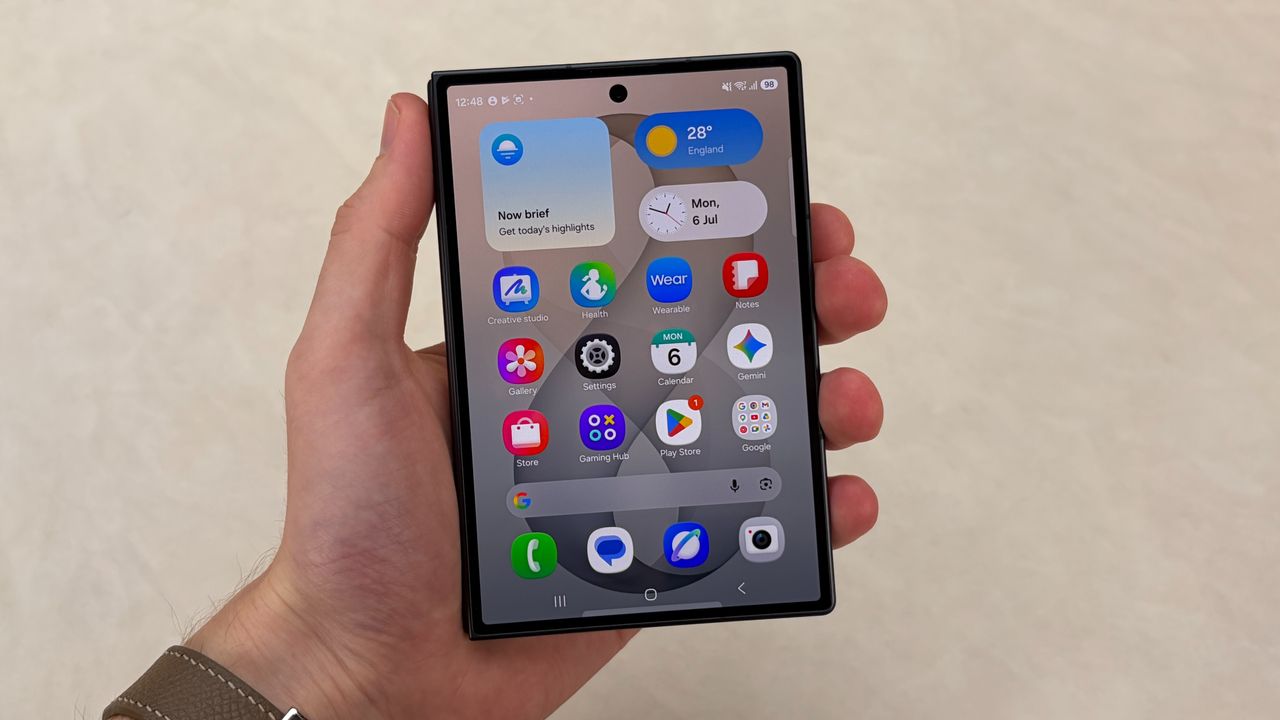
The Samsung Galaxy Z Fold 8 is a different proposition entirely. It’s still a book-style foldable — it’s got one smaller screen on the outside, and one larger screen on the inside that you open with both hands — but it’s shorter, wider, and dare I say cuter than the Galaxy Z Fold 7 before it. It’s the Galaxy Z Fold 7.5 in all but name (or maybe the Galaxy Z Fold Fat?).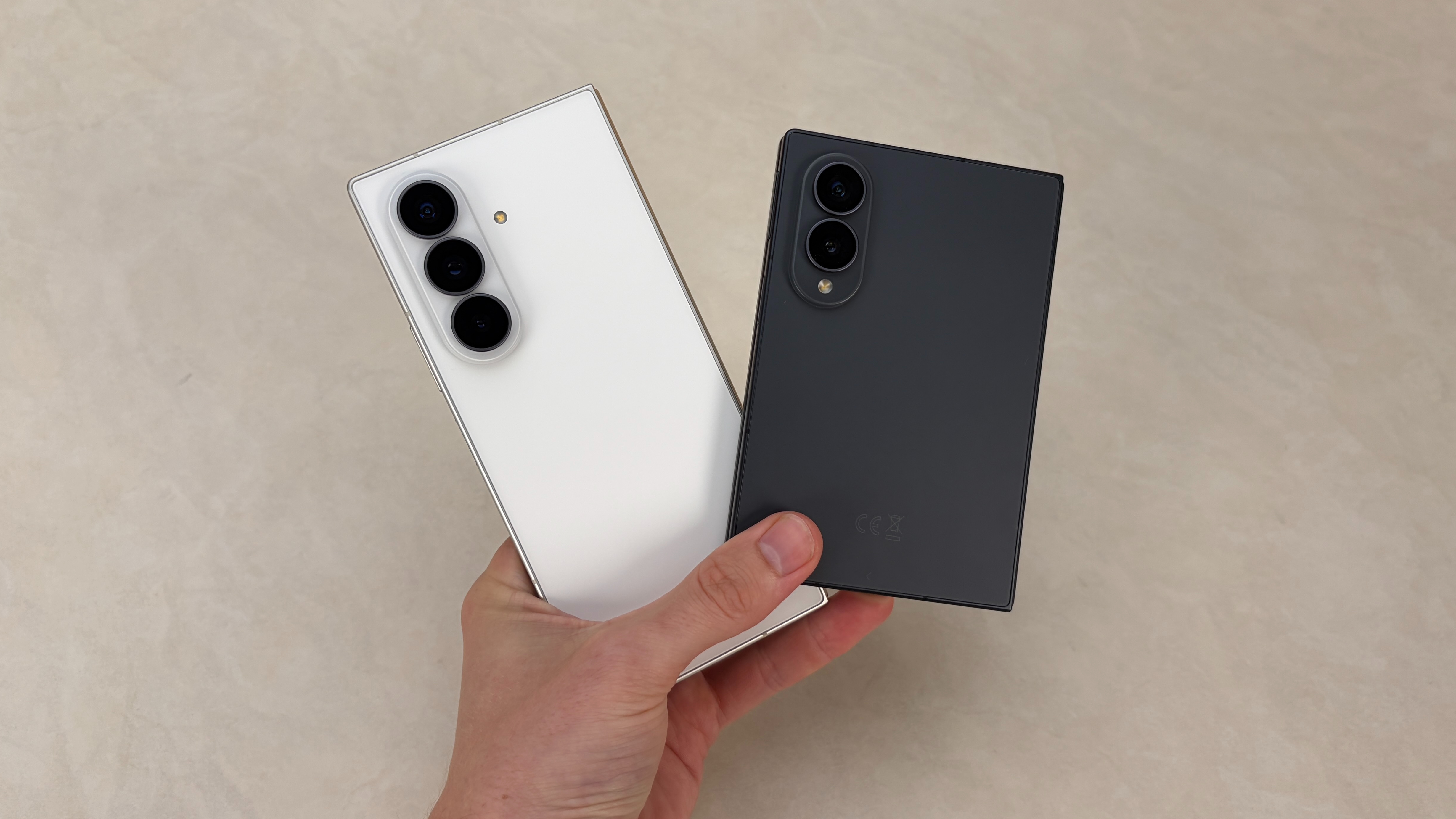
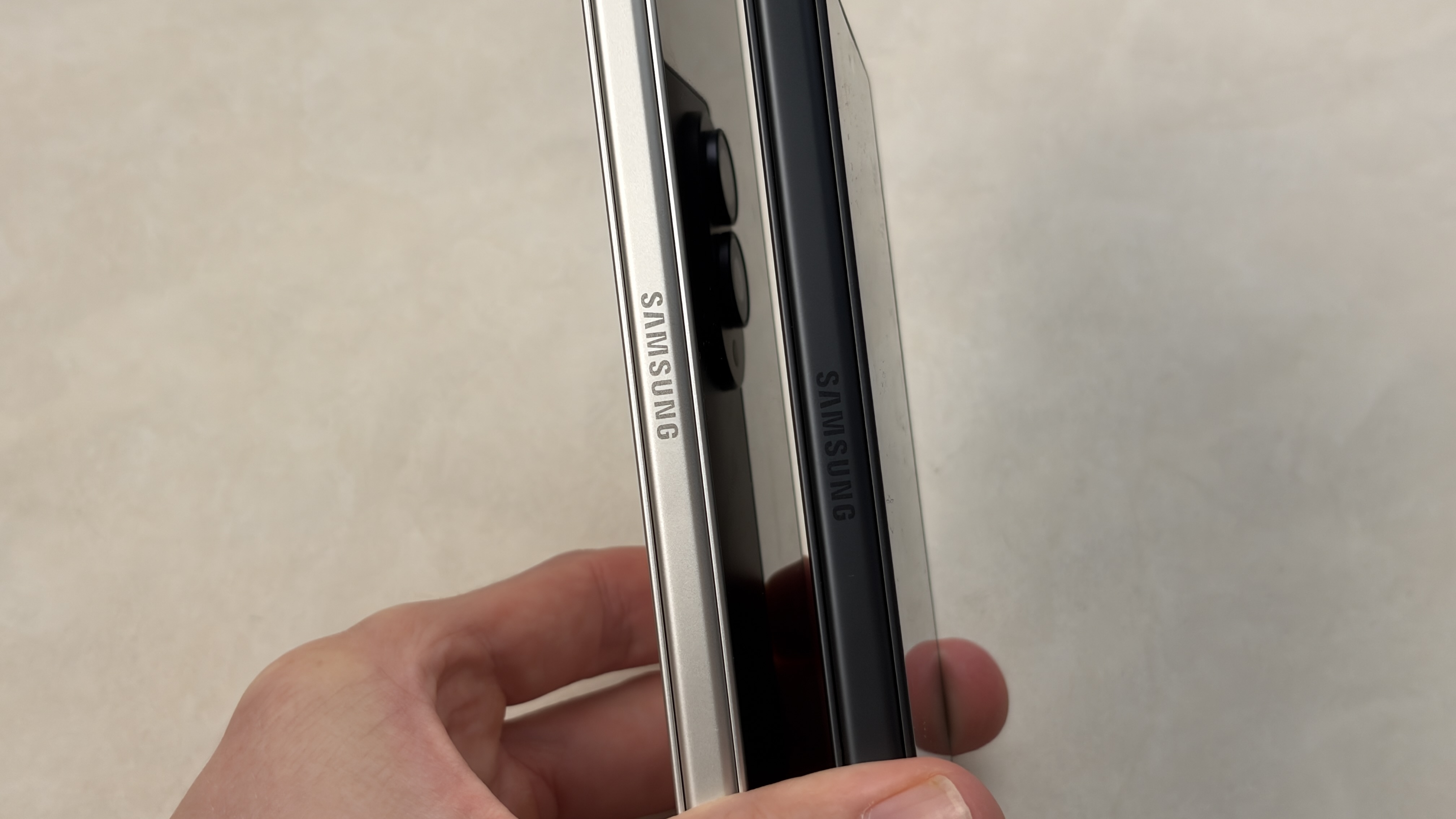
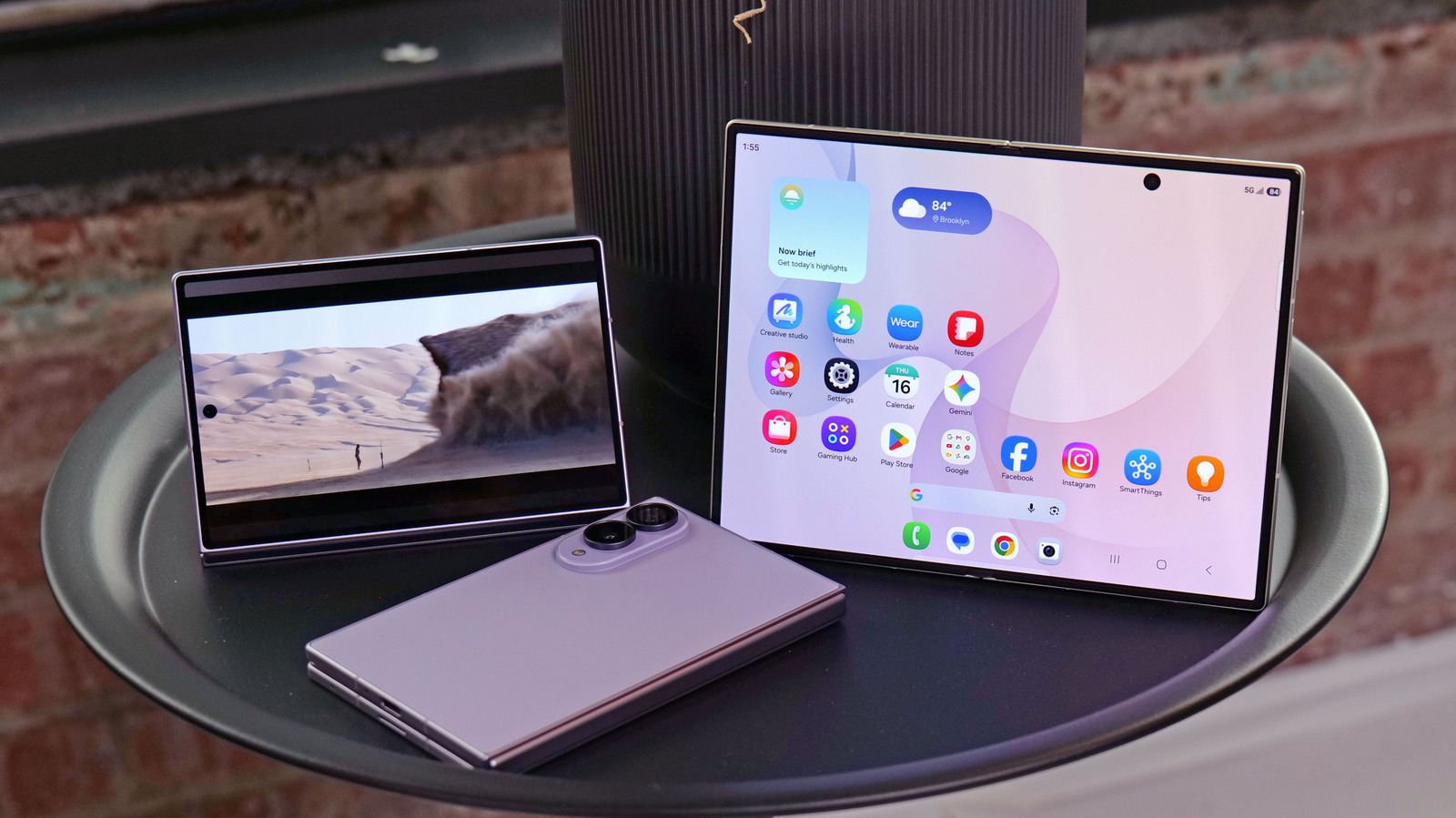
This passport-shaped foldable has a 5.5-inch cover display and a 7.6-inch main display, with aspect ratios that make it, when closed, easier to use one-handed and better suited to video-watching when open. Specifically, when closed, the Galaxy Z Fold 8 has a 3:4 ratio in portrait — meaning your thumbs can easily reach the top of the screen — and a 4:3 aspect ratio in landscape. When open, it’s a 10:16 ratio that’s optimized for widescreen content.
For comparison, the Galaxy Z Fold 7 — and indeed the new Galaxy Z Fold 8 Ultra, which retains the former’s tall and narrow form factor — has a 21:9 cover display and an almost square 1.11:1 inner display, which is great for spreadsheets and multitasking, but less brilliant for watching World Cup highlights on the train home.
Here’s how the video-watching experience on the Galaxy Z Fold 8 and Galaxy Z Fold 8 Ultra — which you can read about in our hands-on Samsung Galaxy Z Fold 8 Ultra preview — compares, in both orientations: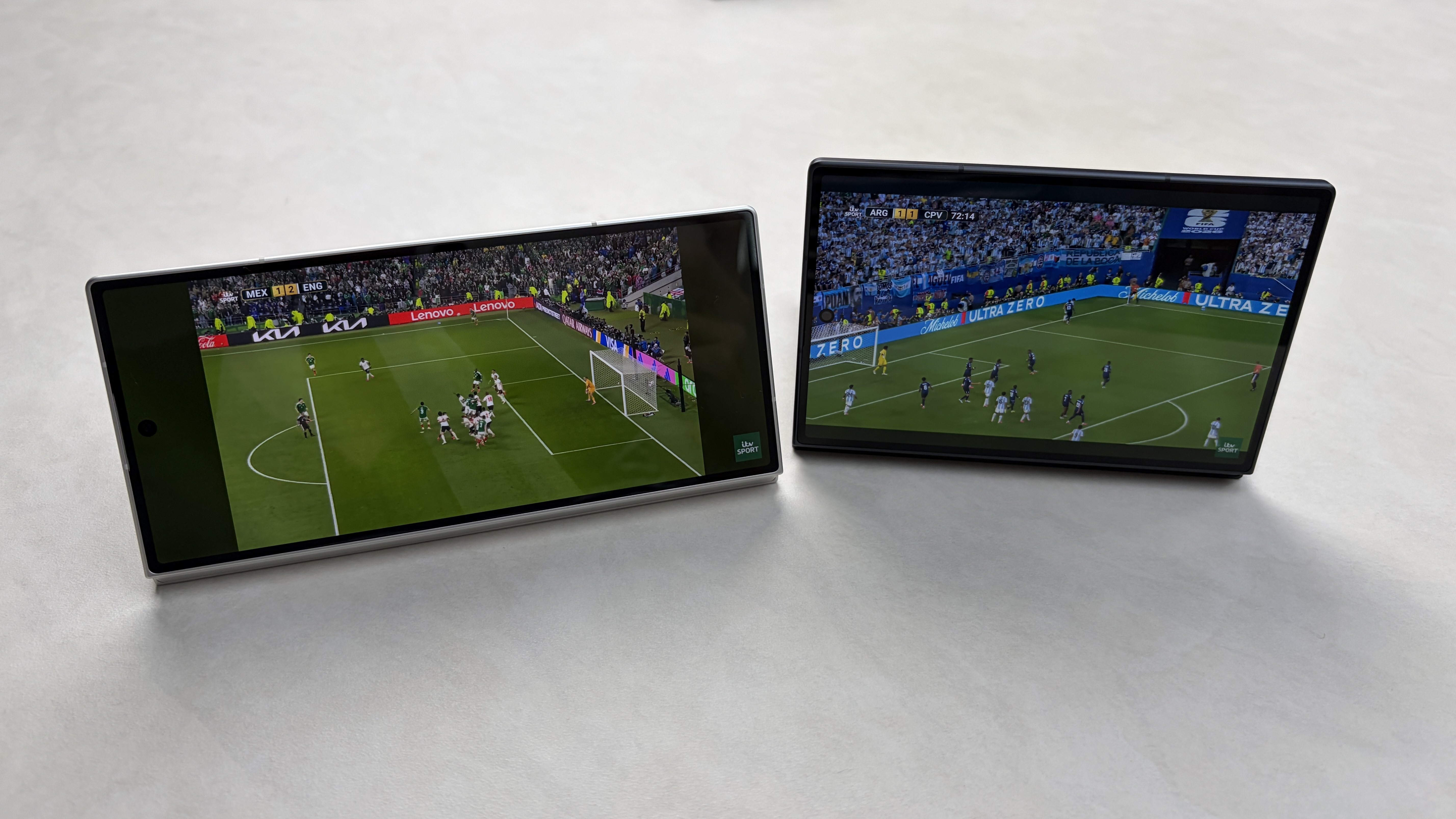
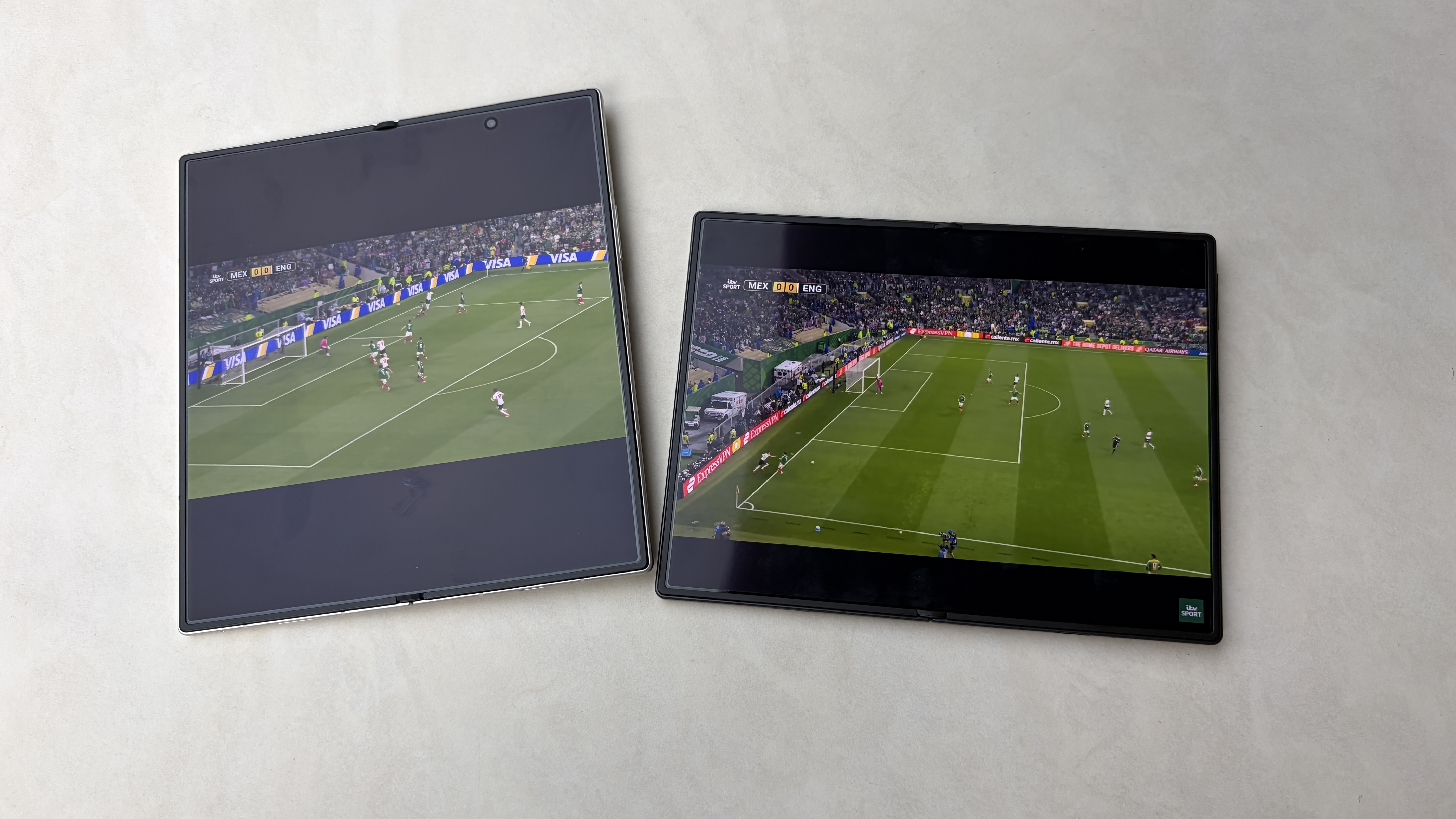
Yes, I know — the black bars are still very much visible when the Galaxy Z Fold 8 is unfolded. But still, they're significantly smaller than those on the Ultra, and as for the outer display, the difference is night and day.
This is the key selling point of Samsung’s new shorter, wider foldable. Its displays have the same 120Hz refresh rate and 3,000-nit peak brightness as the pricier Galaxy Z Fold 8 Ultra, but they don’t waste as much screen real estate as those on that square-sized premium model. If, like me, you use your phone primarily for watching videos and scrolling through social media, this is a big deal.
“We realize that there's enough of a segment where consumers are very heavy on media, and basically you consume social media, you consume videos, you play games, and you read books in a mostly similar form factor,” Samsung told us for our deep-dive into why it built the Galaxy Fold 8.
The company also describes the phone’s unfolded screen size as “the new standard for viewing content,” which makes sense when you consider that Apple is also rumored to be releasing a similarly sized foldable iPhone later this year.
Small but mighty
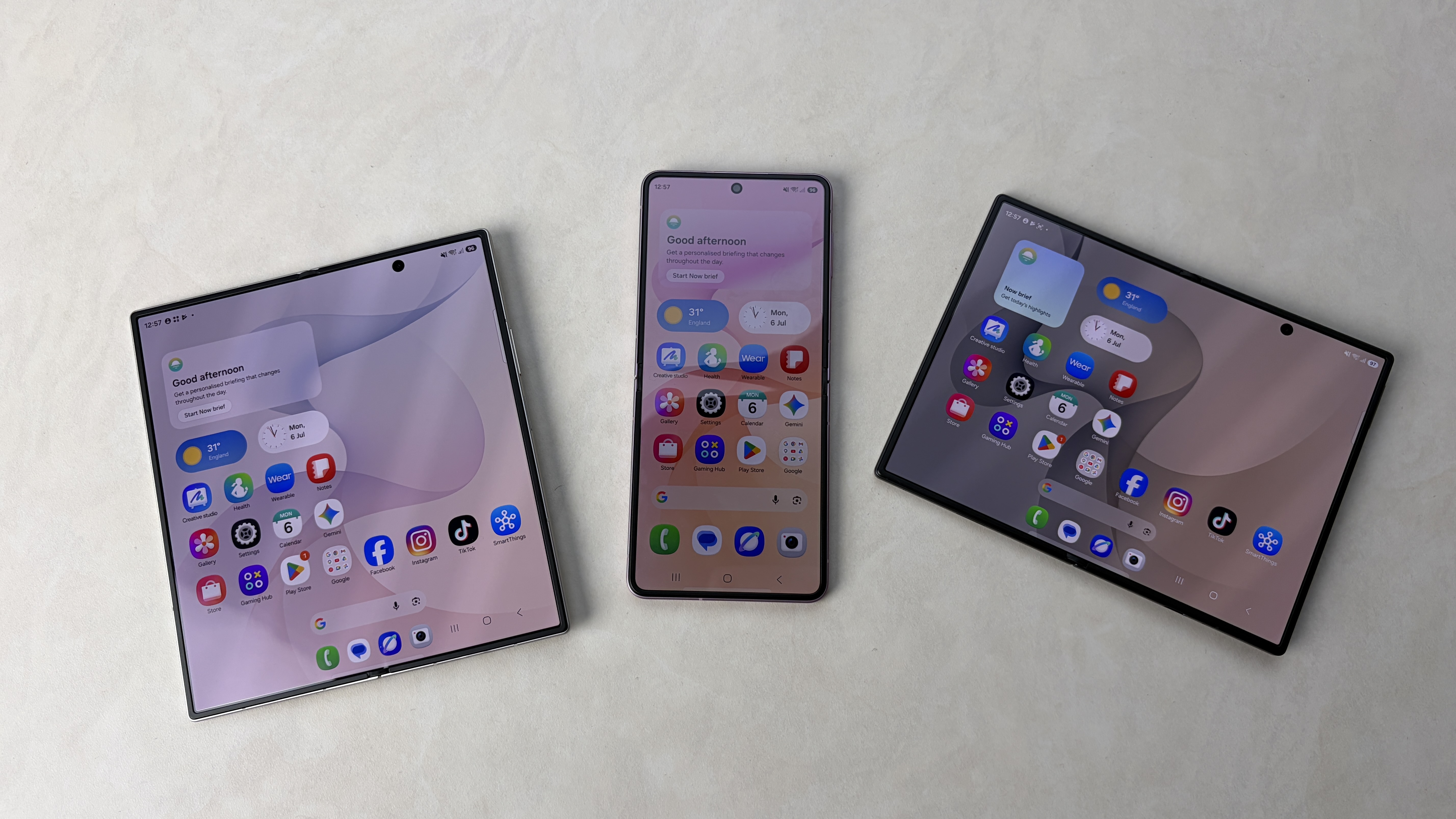
An important note: in the case of the Galaxy Z Fold 8, smaller does not mean less powerful. It’s got the Snapdragon 8 Elite Gen 5 chipset under the hood — i.e., the same chipset as the Galaxy Z Fold 8 Ultra and the entire Galaxy S26 line — plus 12GB of RAM in every storage configuration except 1TB, in which you’ll get 16GB of RAM.
Naturally, I didn’t have enough time to really test the mettle of this chipset, but let’s be honest: we already know it’s a beast. It powers plenty of the best Android phones, and I don’t expect the Galaxy Z Fold 8 to feel any different to those Snapdragon 8 Elite Gen 5-equipped devices from a performance perspective.
The first real differences between the Galaxy Z Fold 8 and its larger sibling come in the camera department. This wider foldable packs a respectable 50MP wide lens and a 50MP ultra-wide lens, but the Galaxy Z Fold 8 Ultra gets a superior 200MP wide lens and a 10MP telephoto lens for zoom shots.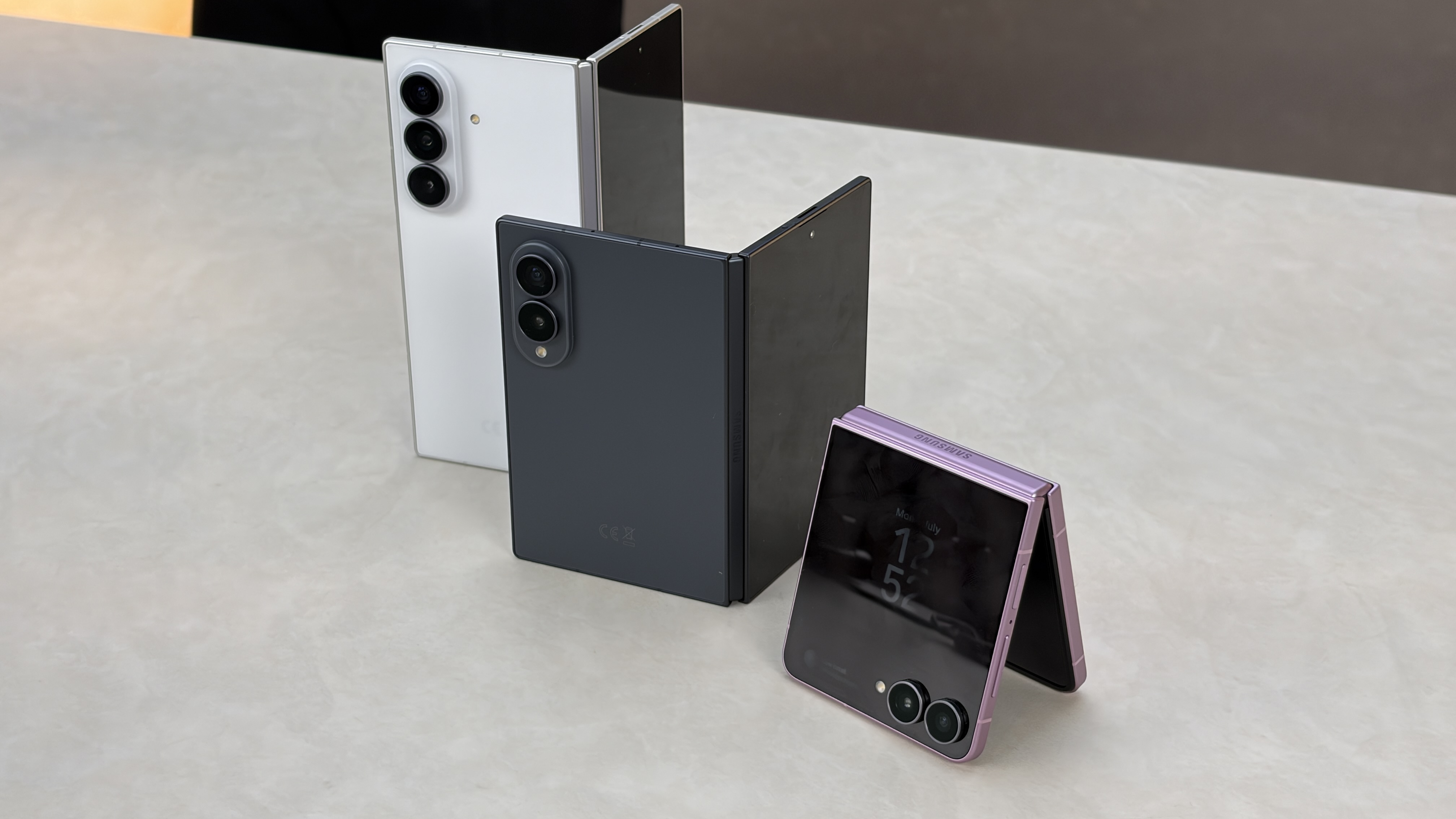
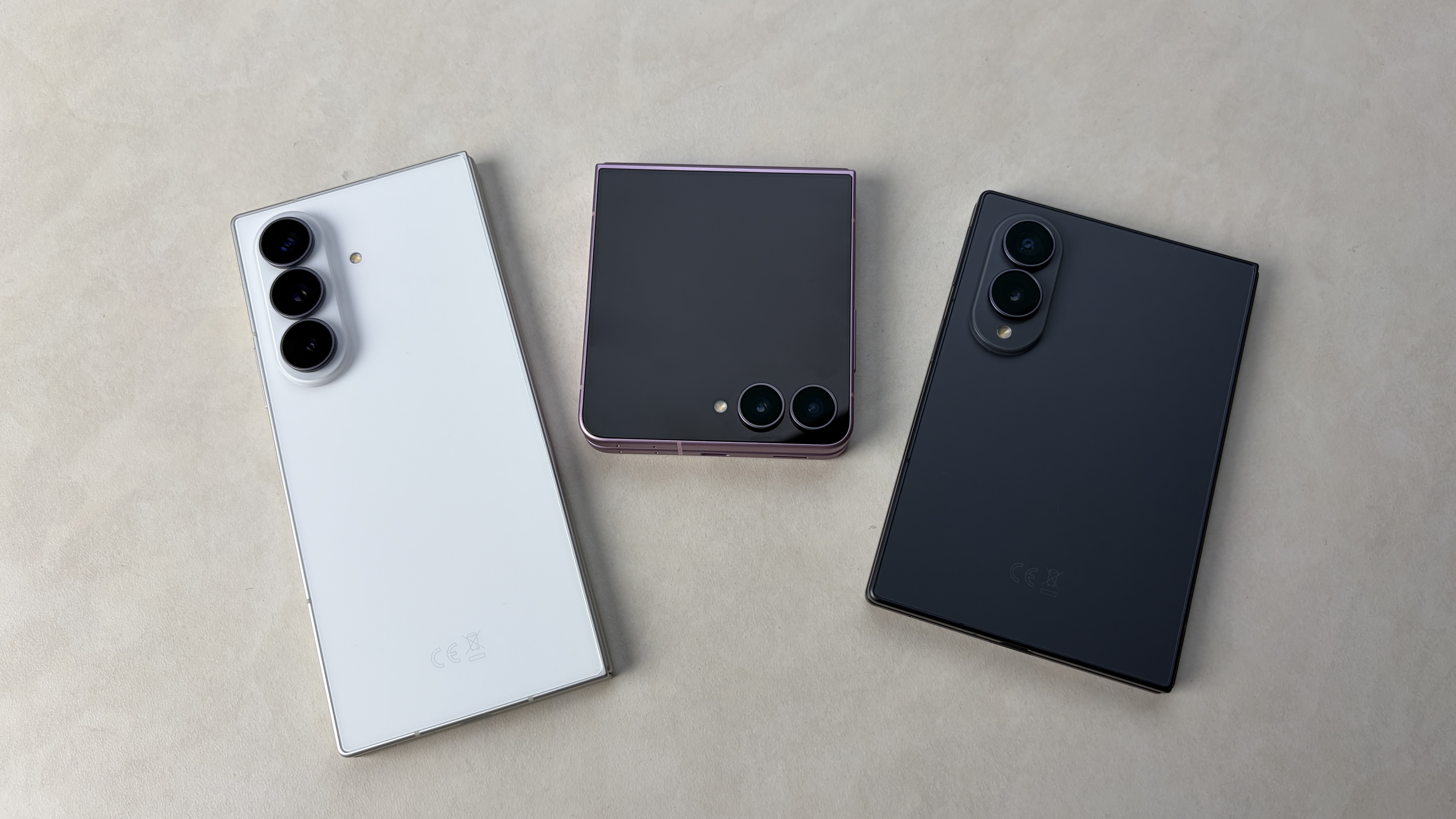
The Galaxy Z Fold 8 Ultra also has a slightly larger battery (5,000mAh) than the Galaxy Z Fold 8 (4,800mAh), but both phones finally — finally! — use silicon-carbon battery technology, so you should still get plenty of life from the latter’s smaller cell.
Silicon-carbon batteries can store up to 50% more energy in the same physical space as conventional smartphone batteries, so I’m expecting the Galaxy Z Fold 8 to deliver longer battery life than the 4,400mAh-equipped Galaxy Z Fold 7, which lasted for around 12 hours (standard use) in our testing.
For reference, Chinese foldable manufacturers like Oppo, Honor, and Vivo have been using silicon-carbon batteries for some years now, so Samsung’s adoption of this technology is a significant (if long overdue) step forward in markets like the US, where it hasn't been readily available.
As for charging, you’ll get 45W wired charging and 20W wireless charging, regardless of which model you choose, so the choice here is really between content and cameras. Would you prefer the wider Galaxy Z Fold 8 for scrolling and watching videos, or the taller Galaxy Z Fold 8 Ultra for productivity and taking photos?
Personally, I think the former’s shorter, wider form factor will be better suited to my needs, though I'm intrigued to see how much weaker the Galaxy Z Fold 8's main camera is compared to the Galaxy Z Fold 8 Ultra's. At $2,099.99 / £1,899, the latter phone is more expensive than the Galaxy Z Fold 8 — which costs $1,899.99 / £1,699 — so it's safe to expect a noticeable gulf in photo quality.
I look forward to testing both devices properly after Unpacked.
Share
What's Your Reaction?
 Like
0
Like
0
 Dislike
0
Dislike
0
 Love
0
Love
0
 Funny
0
Funny
0
 Angry
0
Angry
0
 Sad
0
Sad
0
 Wow
0
Wow
0