I spent 10 hours comparing two fantastic premium compact cameras, the Lumix L10 and Fujifilm X100VI — here’s which one I’d buy with my own money
The Panasonic Lumix L10 is billed as a versatile alternative to the viral Fujifilm X100VI, but how do the two cameras compare when using them side by side? I tested them together and have a clear favorite

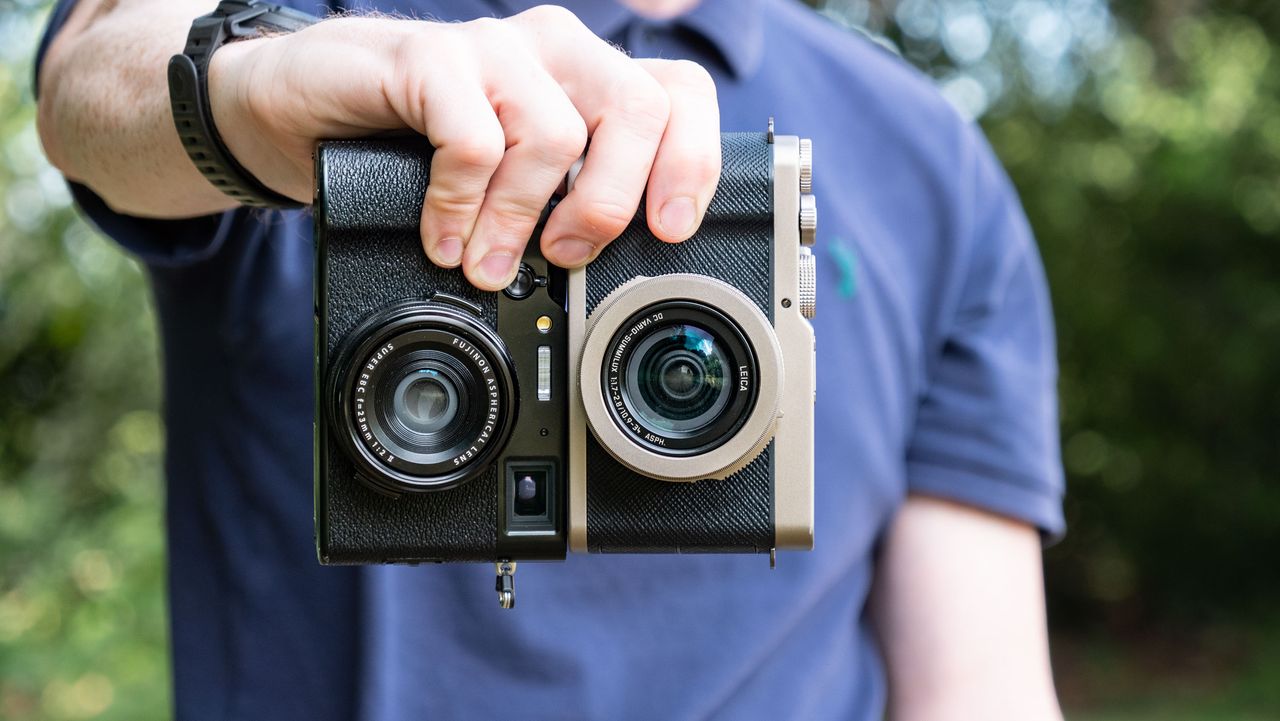
Panasonic made quite a splash when it announced the Lumix L10 at its Lumix 25th anniversary event in May this year. I called it 'Panasonic's prettiest Lumix in years', and many tech journalists, myself included, have compared it to the viral Fujifilm X100VI.
These are two premium compact cameras with retro design and high-end features, but both take a different swing at the format. For example, the Lumix L10 packs a 20MP Micro Four Thirds sensor and 24-75mm f/1.7-2.8 lens, while the X100VI shoots 40MP stills with an APS-C sensor and fixed 35mm f/2 lens.
I've already compared the two based on specs and my extensive experience with each camera separately in my Lumix L10 vs X100 VI article. But I was keen to see which one I personally prefer based on using the cameras side by side — it had been a while since I last used the X100 VI.
So, with my loan samples in hand, I headed out, taking the same photos with each camera in a variety of scenarios, including travelling, commuting and weekends exploring. Objectively, each camera has its practical advantages over the other, but there was one camera that truly gave me the feels...
The head
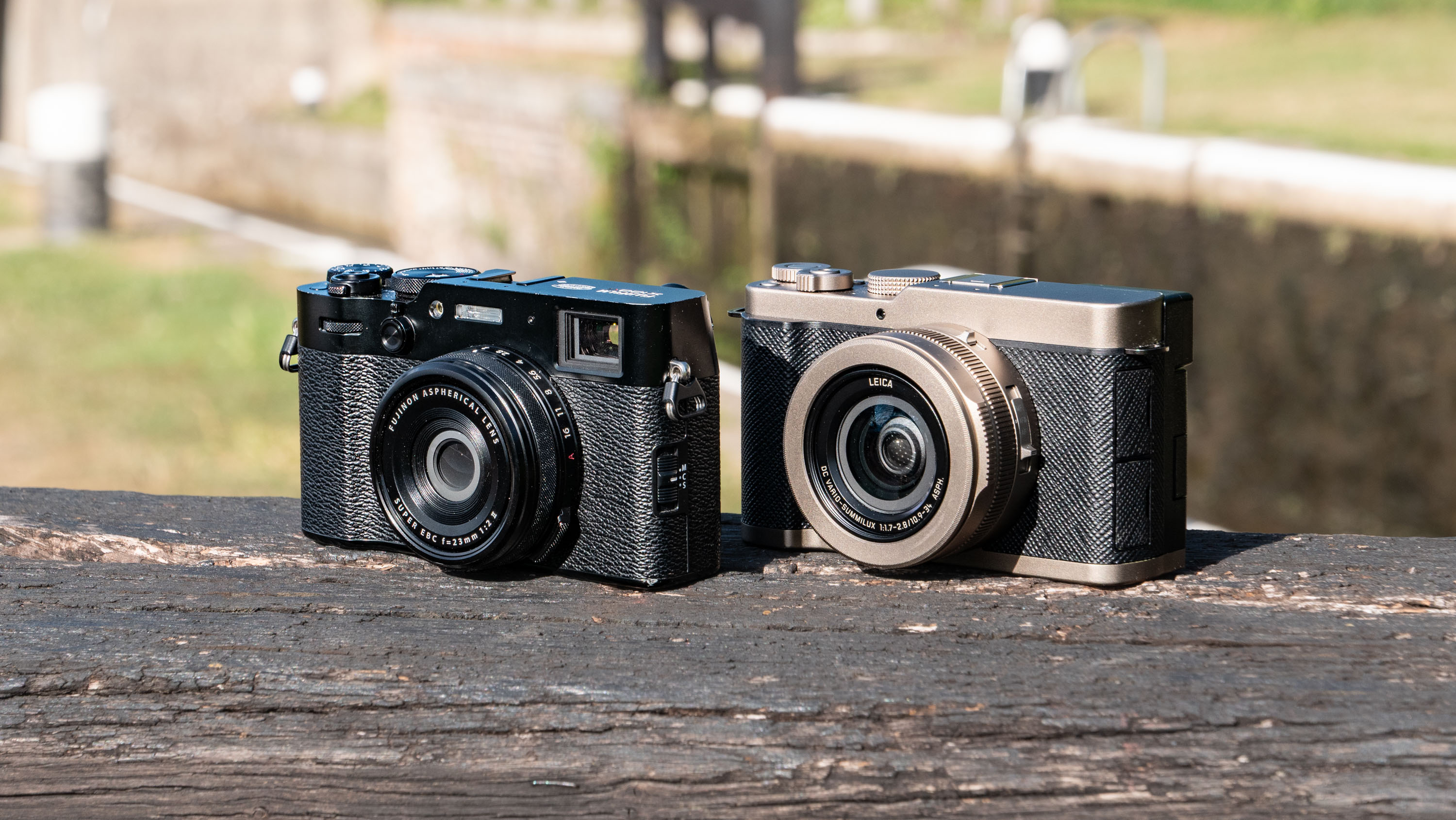

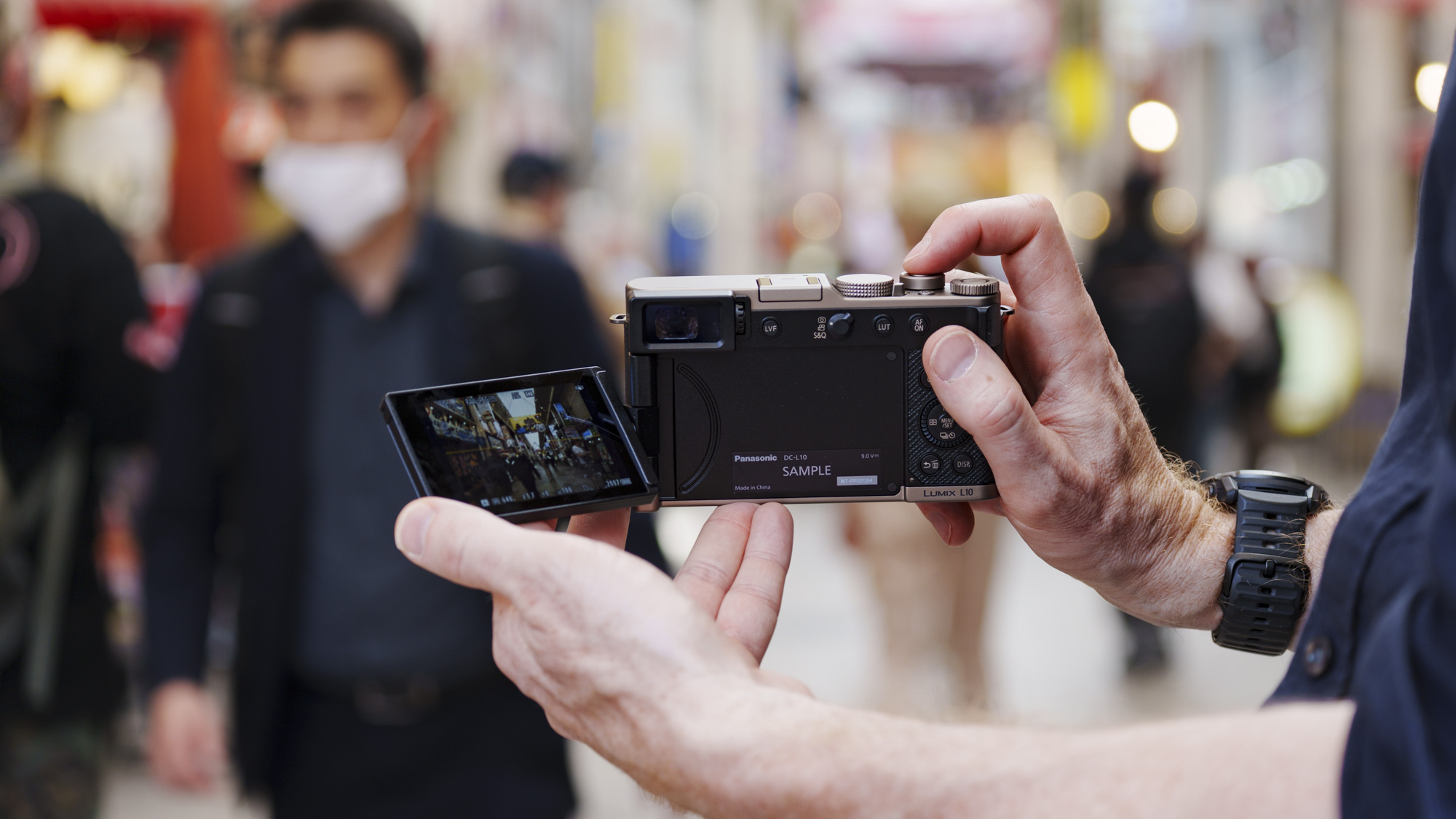
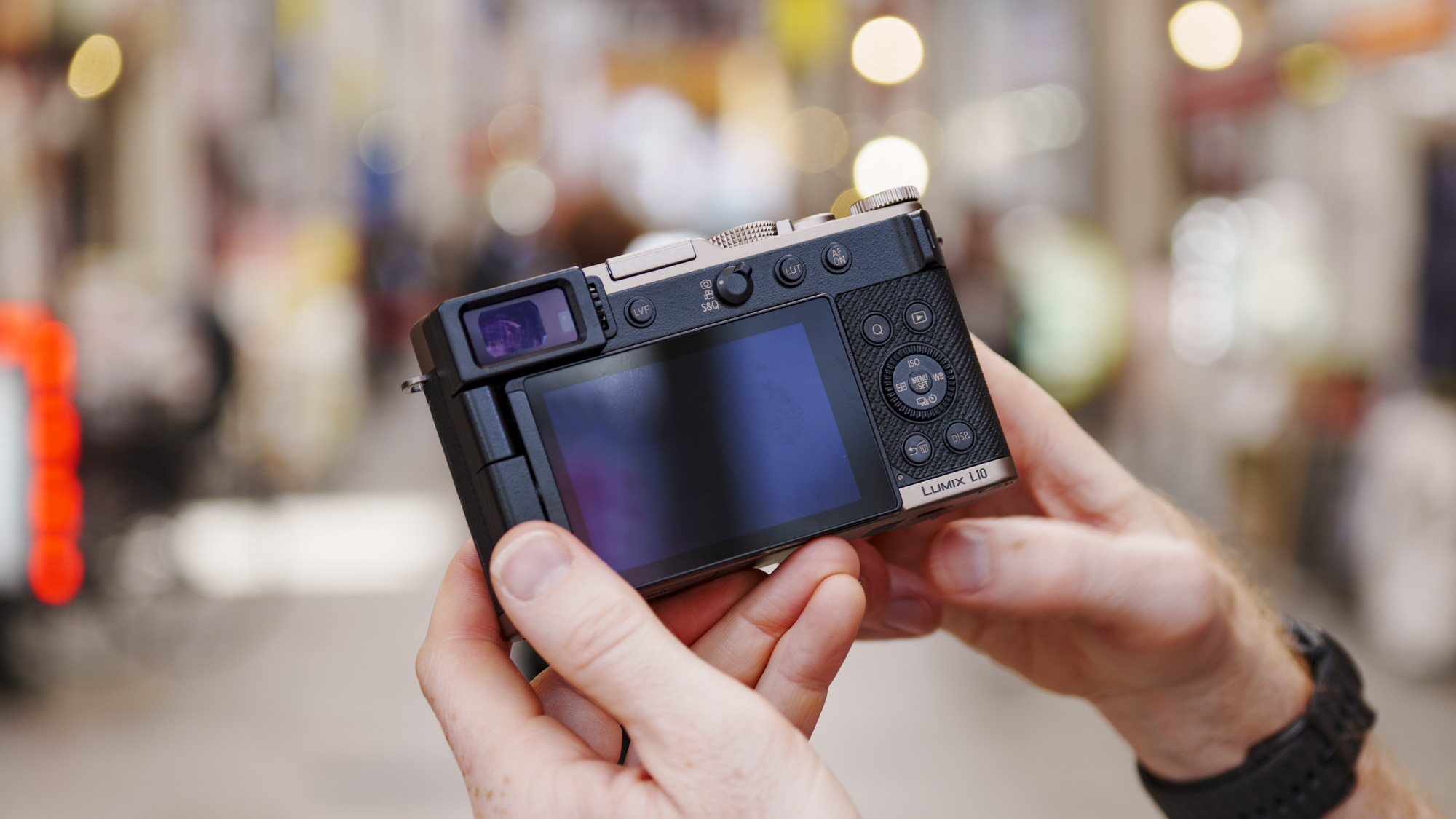
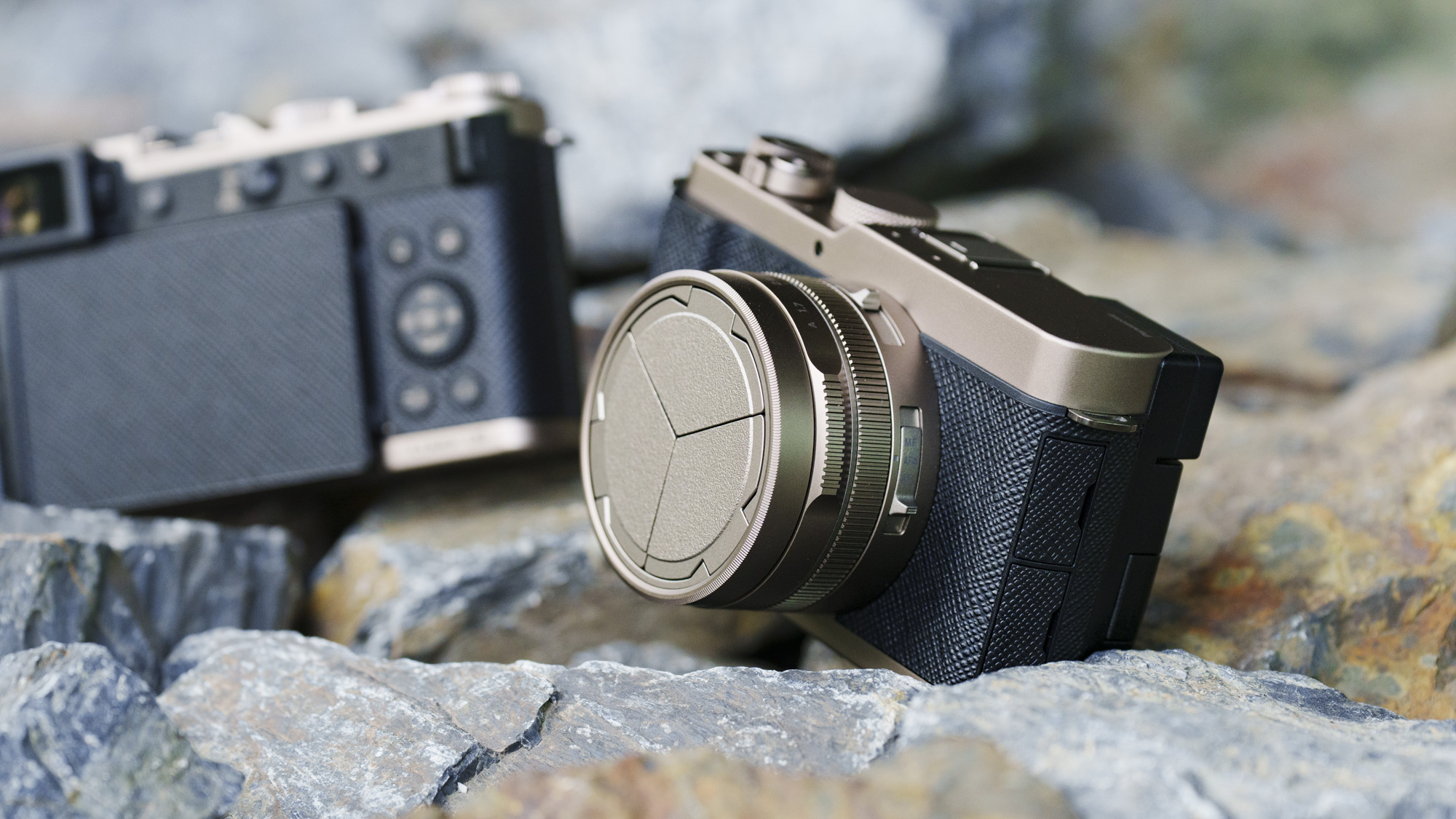
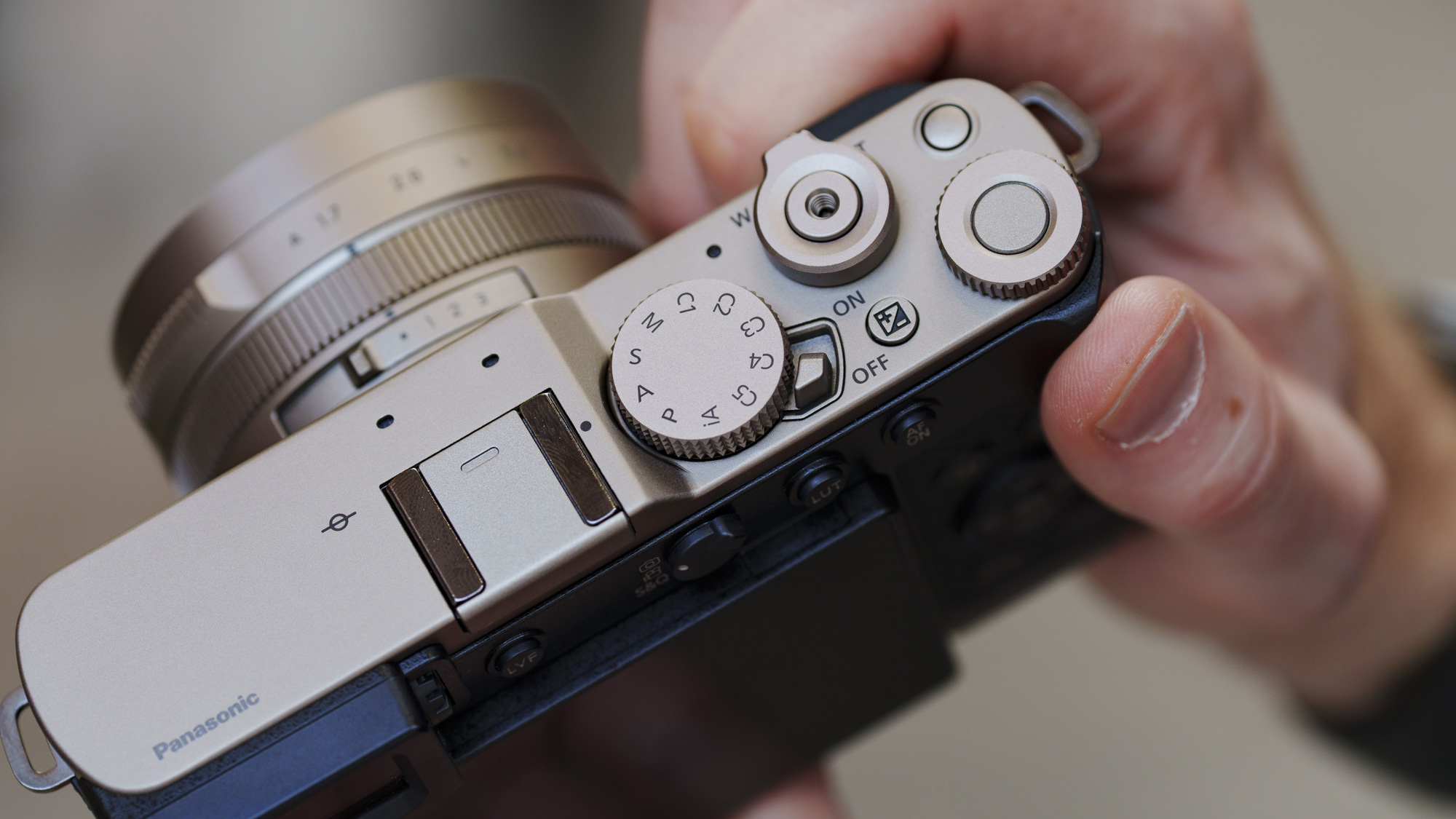
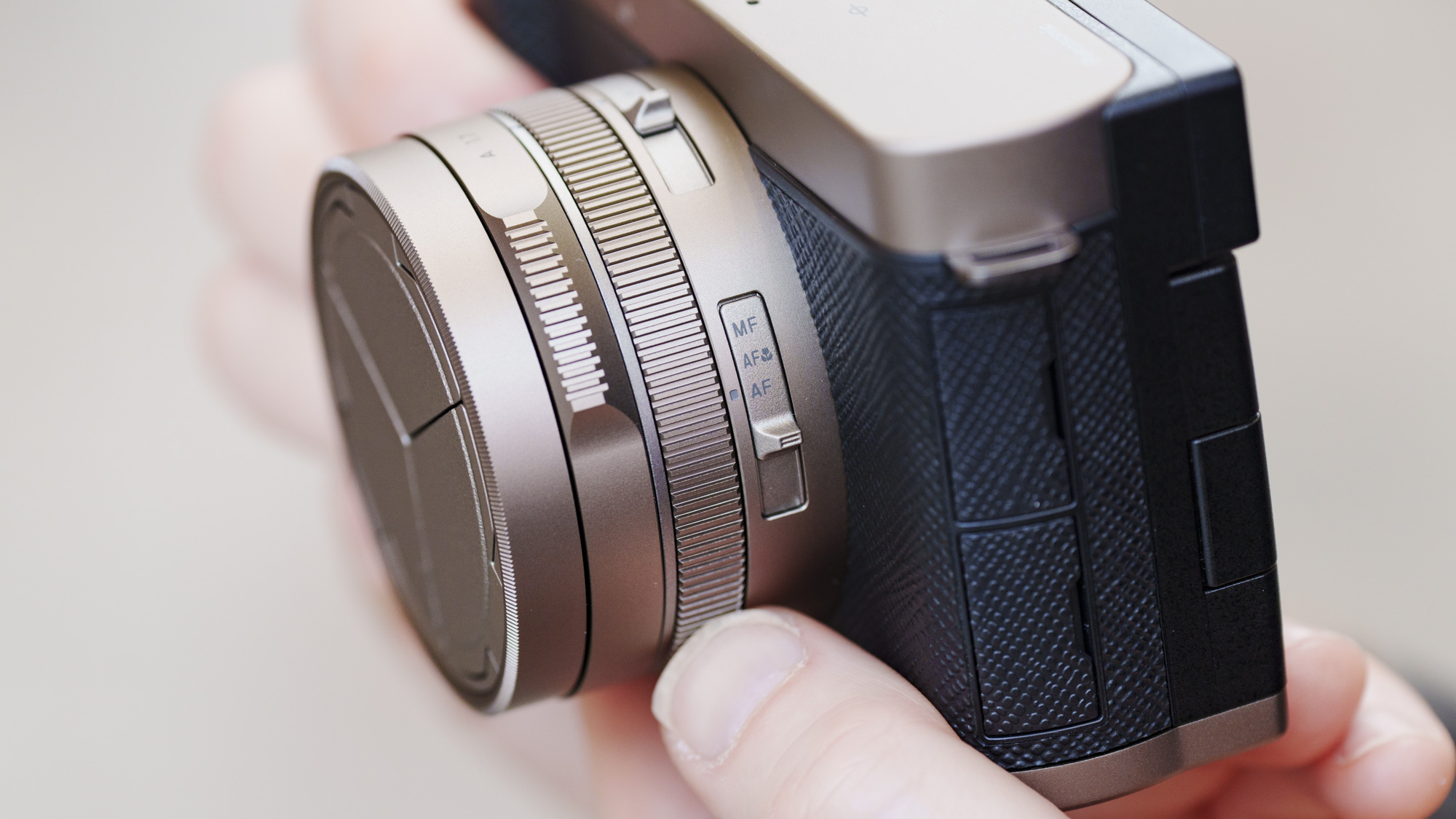
If I'm to make a list of pros and cons based on features and specifications, then each model has distinct advantages over the other.
In favor of the X100VI: its 35mm f/2 prime lens quality, 40MP resolution (which is twice that of the Lumix L10), in-body image stabilization, quicker start-up time, fancier viewfinder, and its next-level retro aesthetics.
There's plenty going for the Lumix L10, mind you: its versatile 3.1x optical zoom lens, superior battery life, Real Time LUTs profiles (which for me outdo Fujifilm's film simulations), superior burst shooting speeds, snappier autofocus, vari-angle screen, plus its video performance has the edge. Oh, and it costs less — depending on which region you live in, the price difference can be pretty sizable.
Speaking objectively, I believe I'd get more use from the Lumix L10, especially the telephoto end of its 24-75mm f1.7 to f/2.8 lens. It is overall a more versatile camera. However, objectivity goes out the window when considering creative tools such as cameras for personal use.
We can talk features all day, but you really need to get a feel for a camera, and the only way to do that is to get properly hands-on, which is exactly what I did with the L10 and X100VI side by side. And in doing this direct comparison, a favorite quickly emerged.
The heart
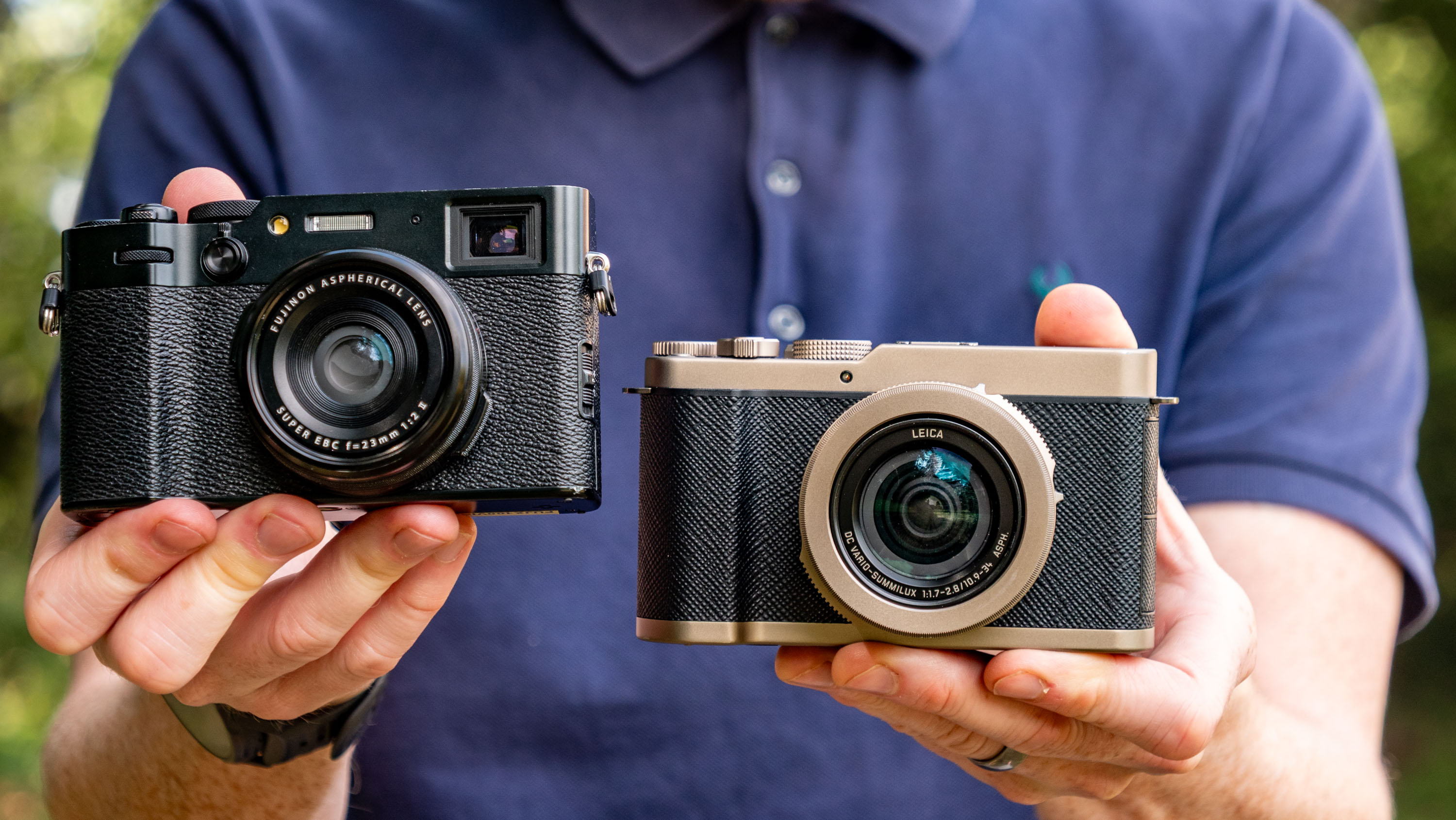
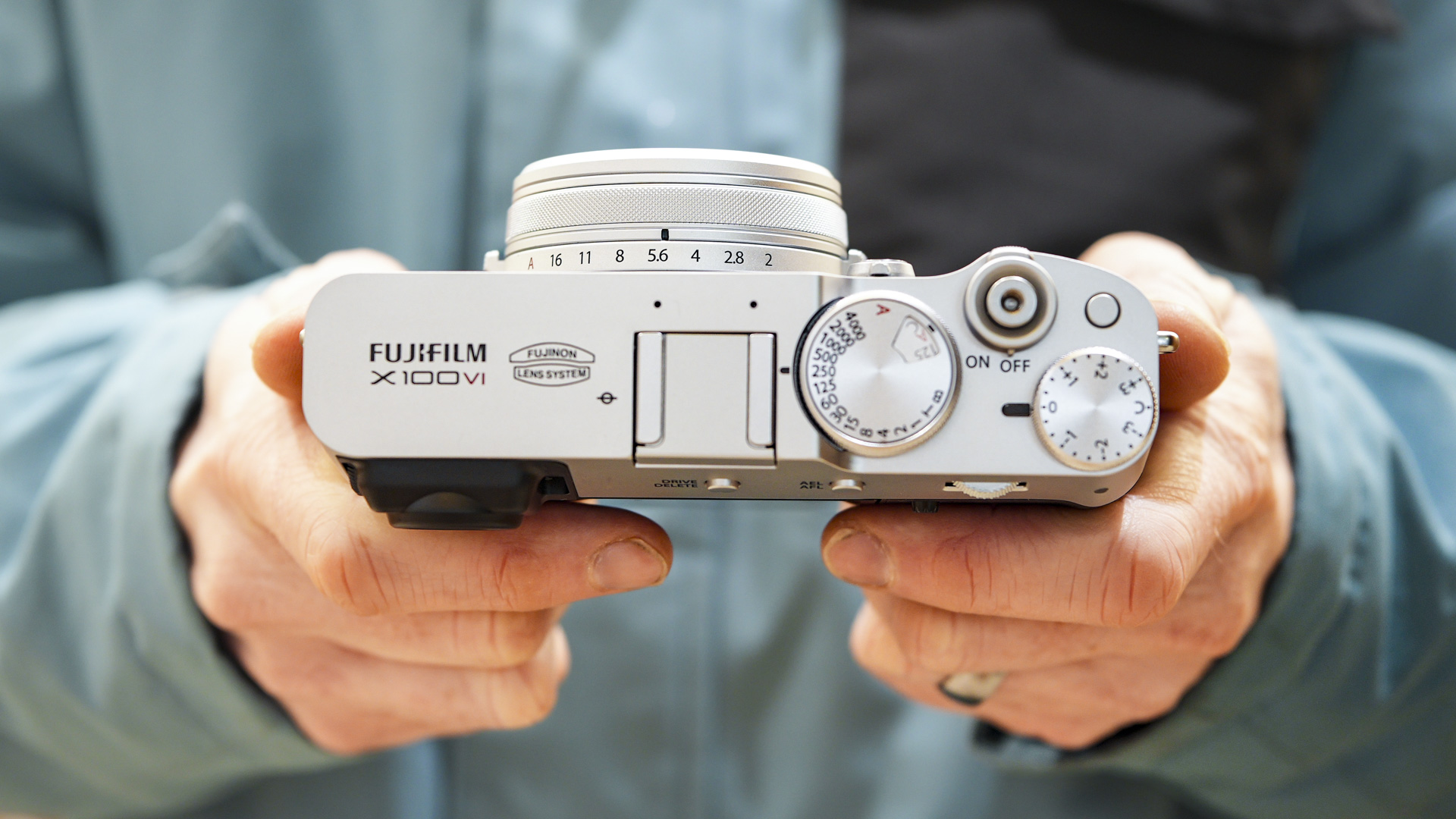
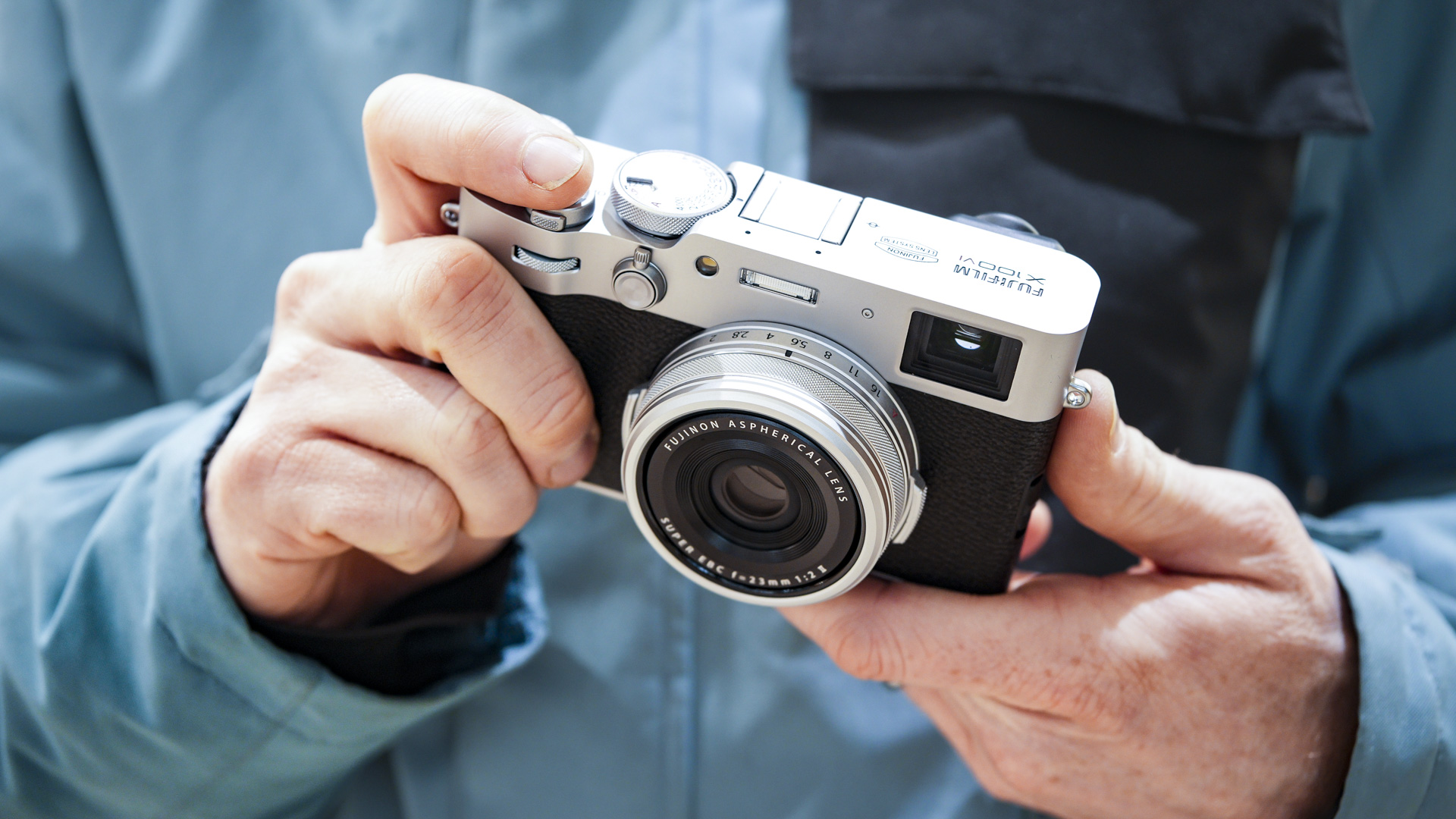

Rather than getting bogged down in features and specifications, I'm going to articulate what it felt like to use each camera, because honestly that's more important in the long run, especially for this kind of premium compact camera designed for personal, daily use. (My workhorse mirrorless camera is another matter — it's there to do a job efficiently and reliably.)
I'm going to come right out and say it — I enjoyed the X100 VI more. Aesthetically, it has the edge: both cameras are retro, but the X100 VI is next-level with its manual exposure dials and hybrid viewfinder. With the two slung over my shoulder, it was the X100VI that I wanted to reach for first.
When I did, the X100 VI required more effort to master; there's more involvement in operating the exposure controls and such, which I actually preferred as a serious photographer. I liked how much more premium it felt in the hand too: the weightiness, the dampened shutter button...the X100VI just felt... better.
I also appreciated its quicker start-up time, and liked how much more compact its prime lens is. The hybrid viewfinder was more enjoyable too, especially since I'm in the small camp of photographers who genuinely enjoy the optical viewfinder.
Sure, I'd rather that autofocus was as good as the Lumix L10's. And for a variety of scenarios, wished that I could zoom the lens. And it's not like I didn't get any feeling with the Lumix L10 — how its lens handles in particular is a delight. But for feeling alone, and that sense of pursuing a craft, the X100VI captured my heart all over again.
Lumix L10 vs Fujfilm X100VI: the images
A collection of Panasonic Lumix L10 pictures. I have matched the Fujifilm X100VI's 35mm focal length in most of these samples, but I have also included some at different focal lengths to show how versatile it can be.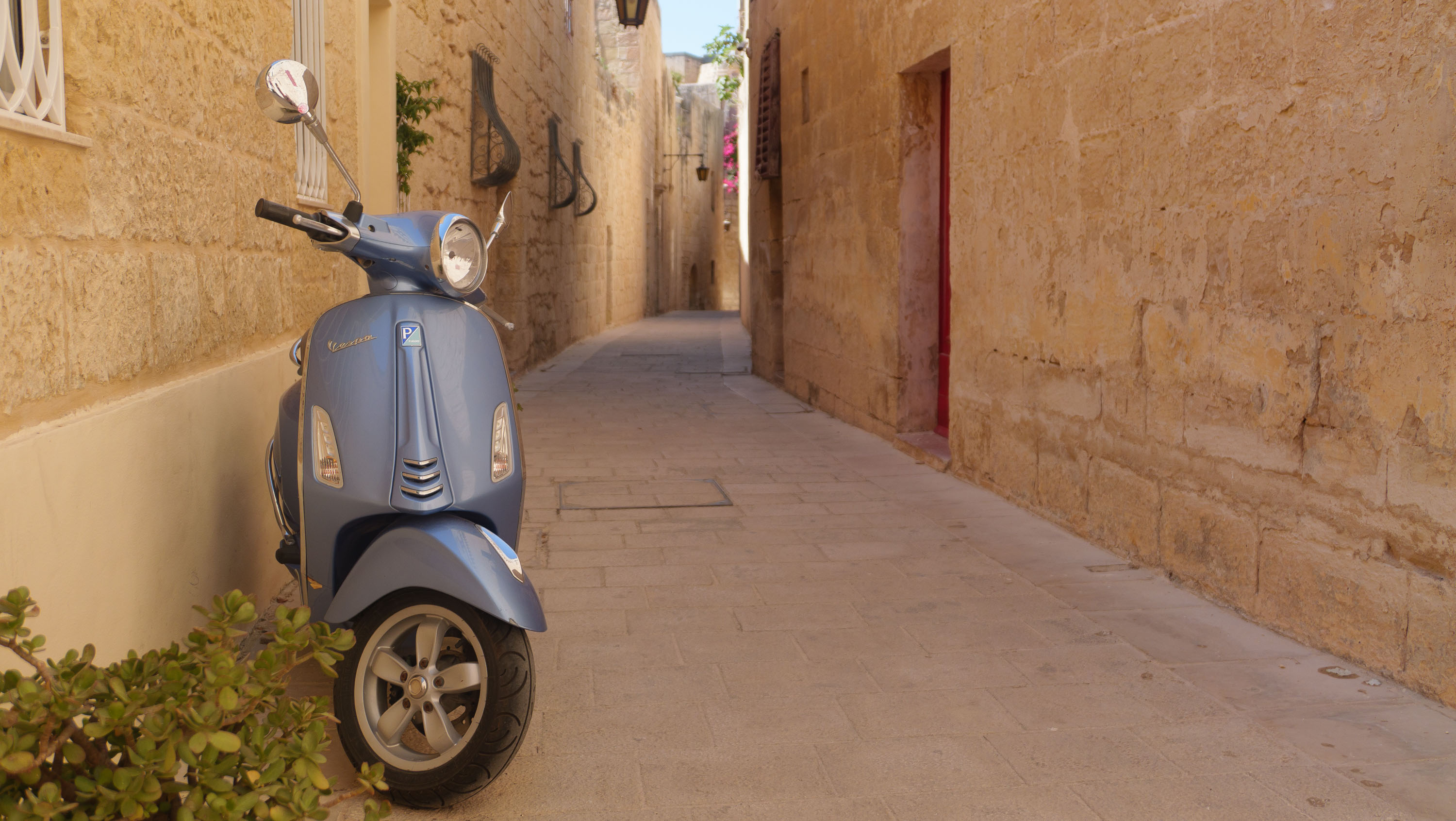
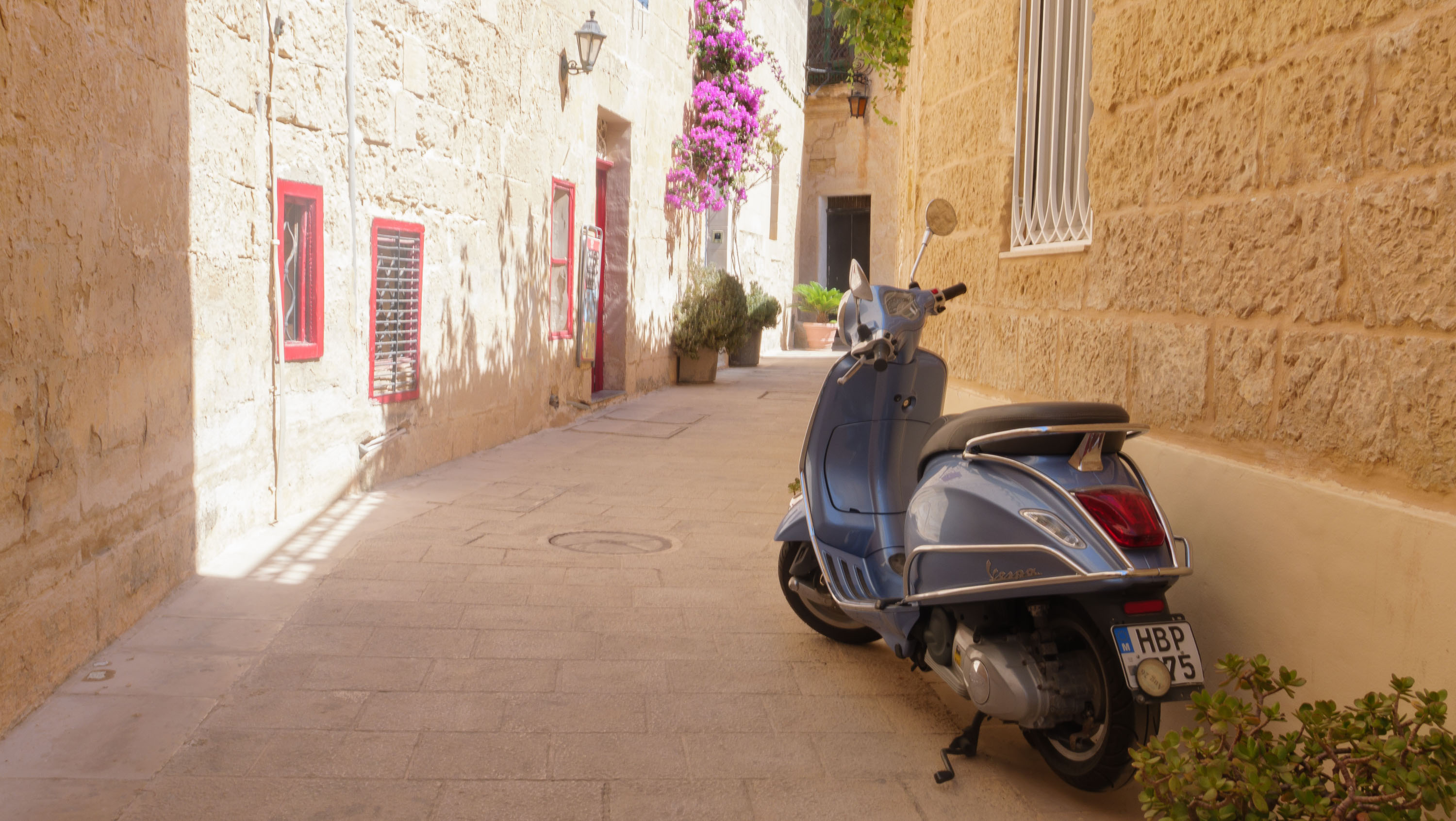
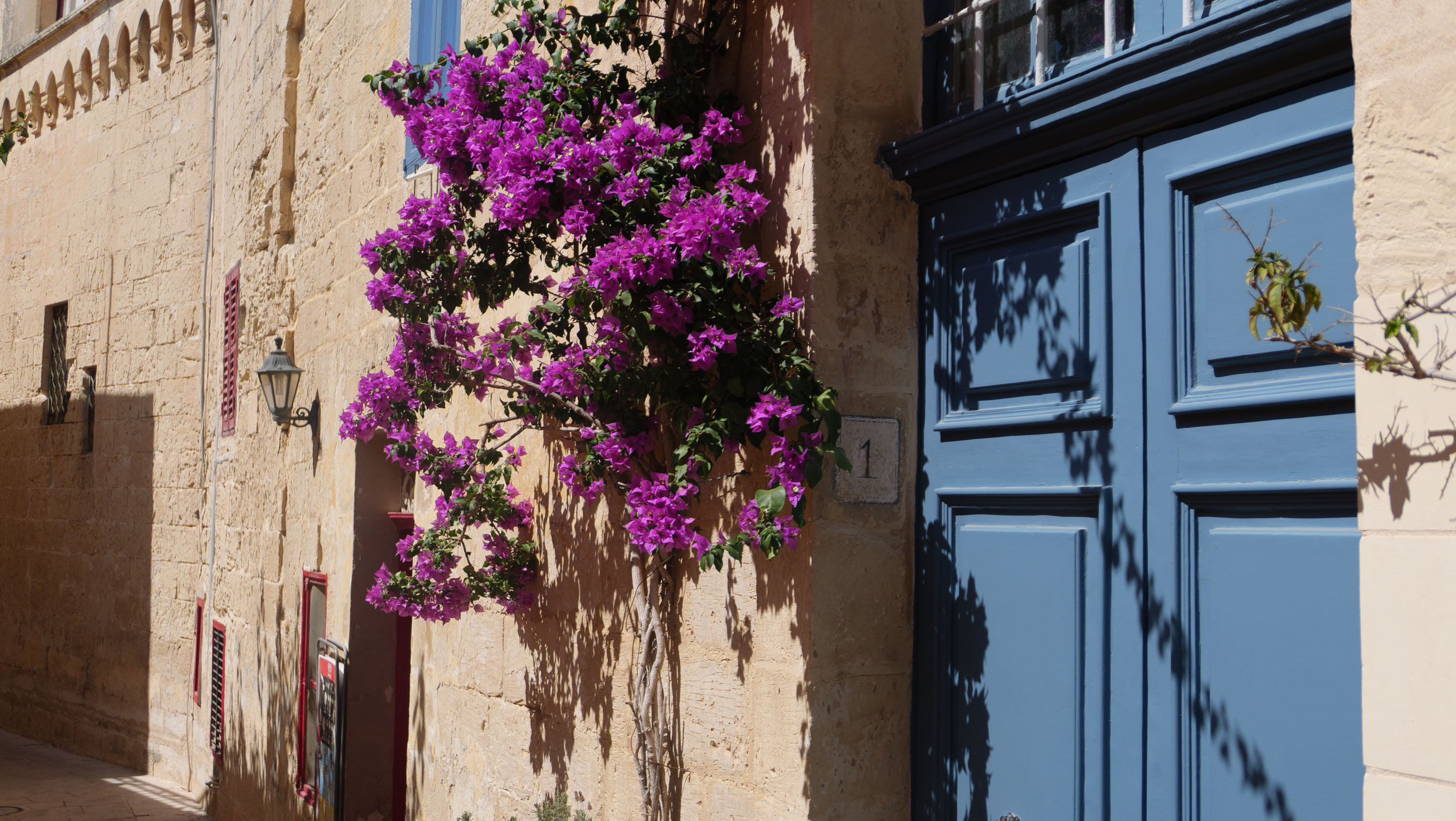


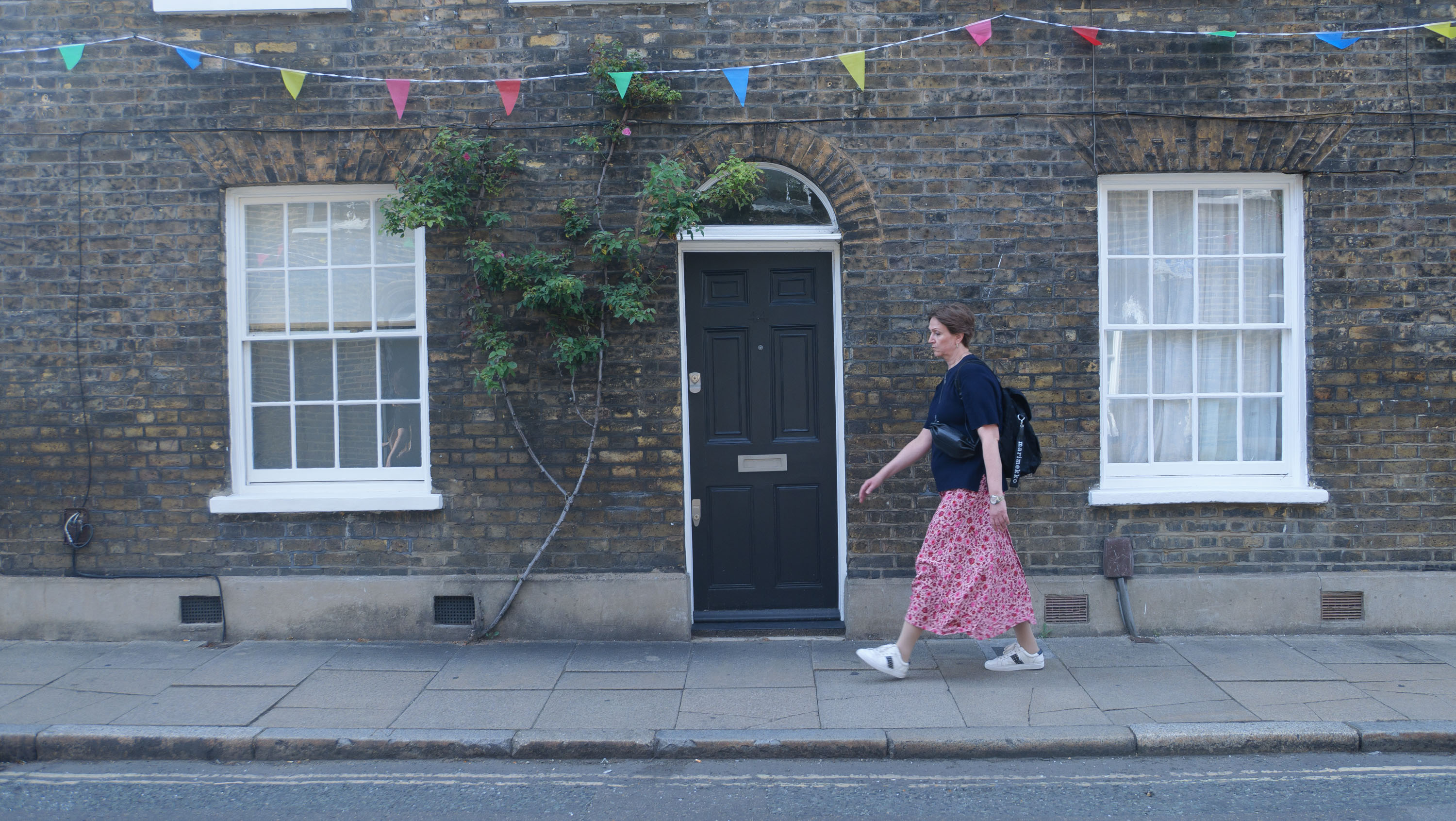
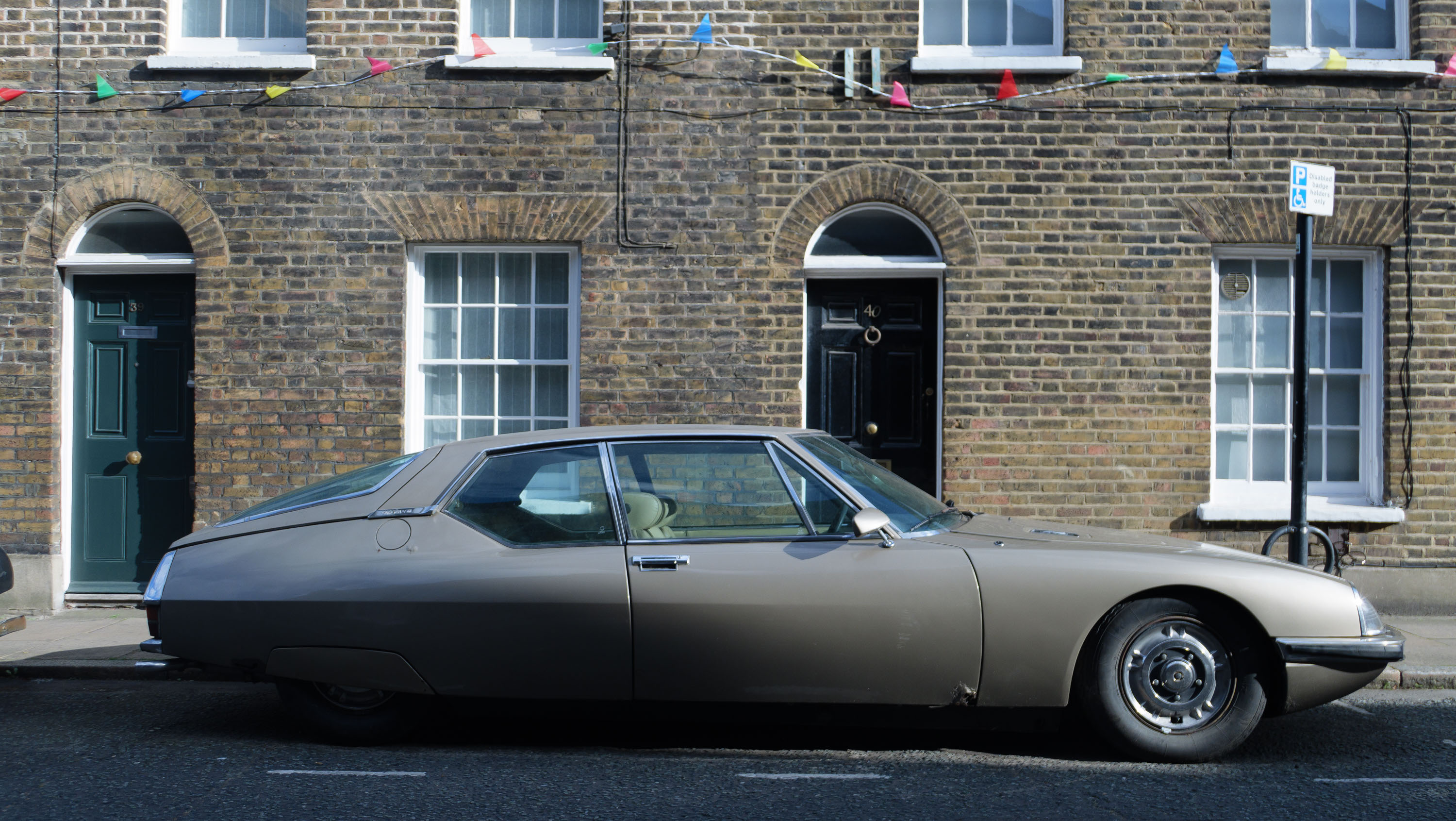
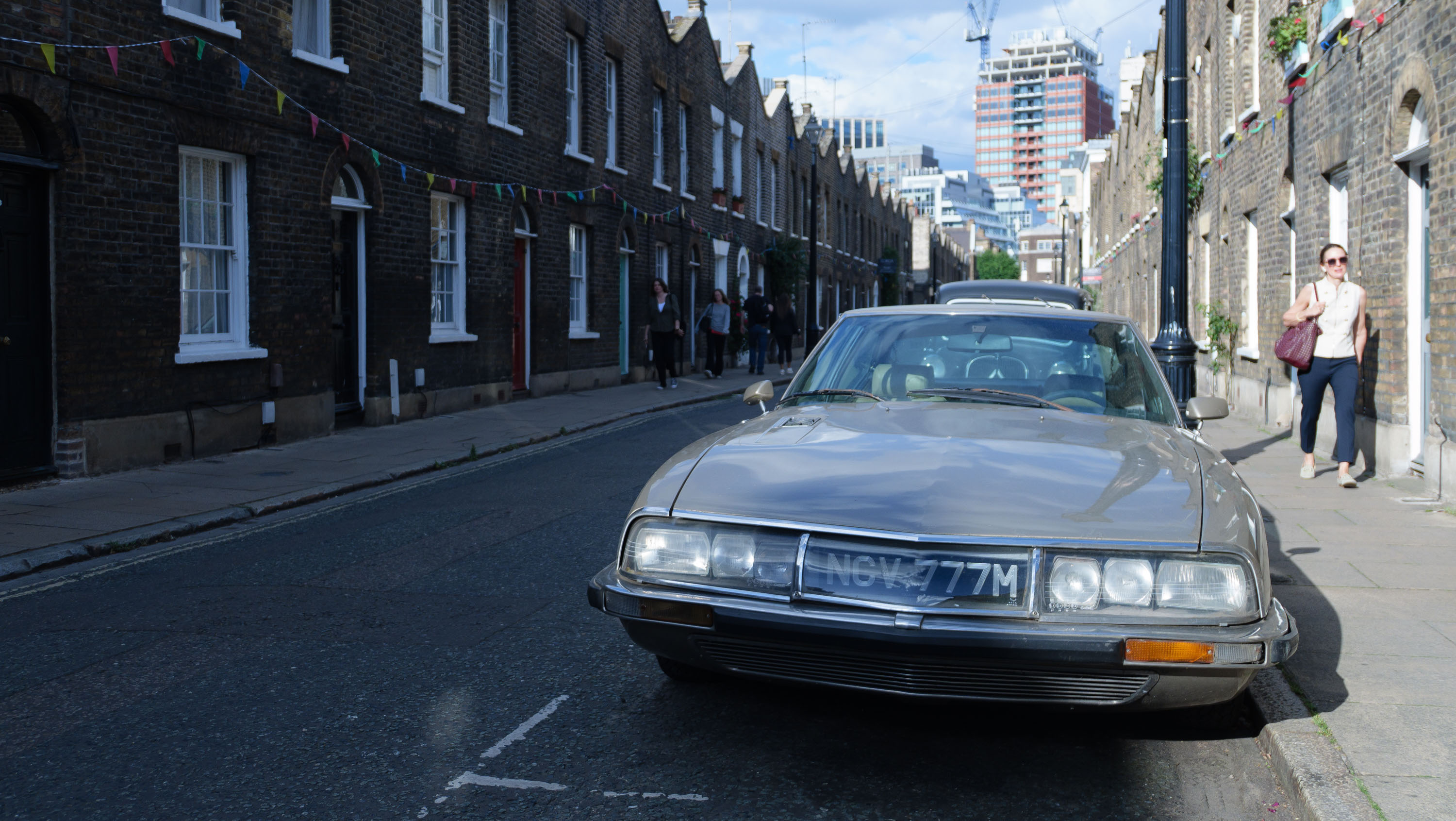
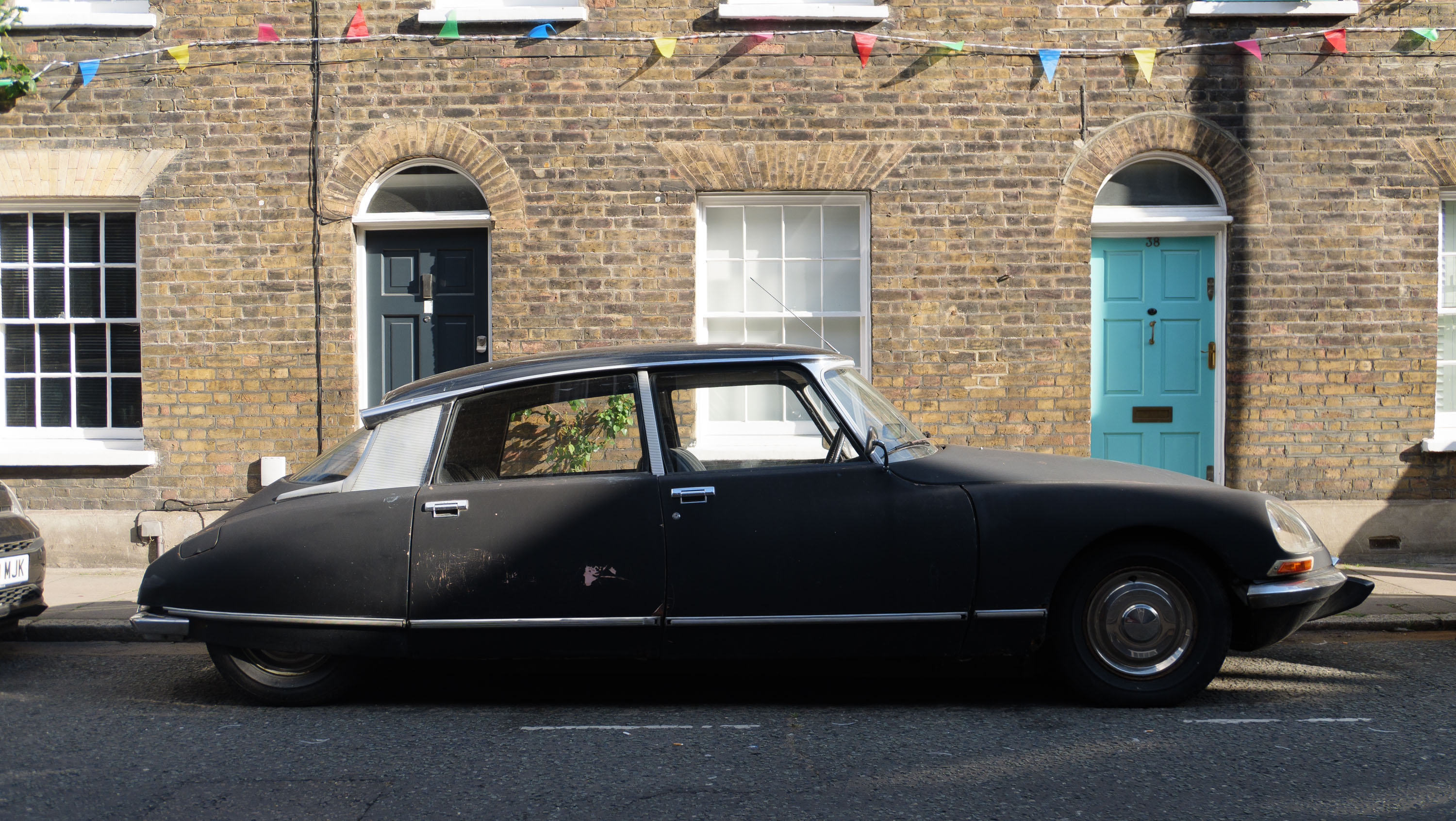





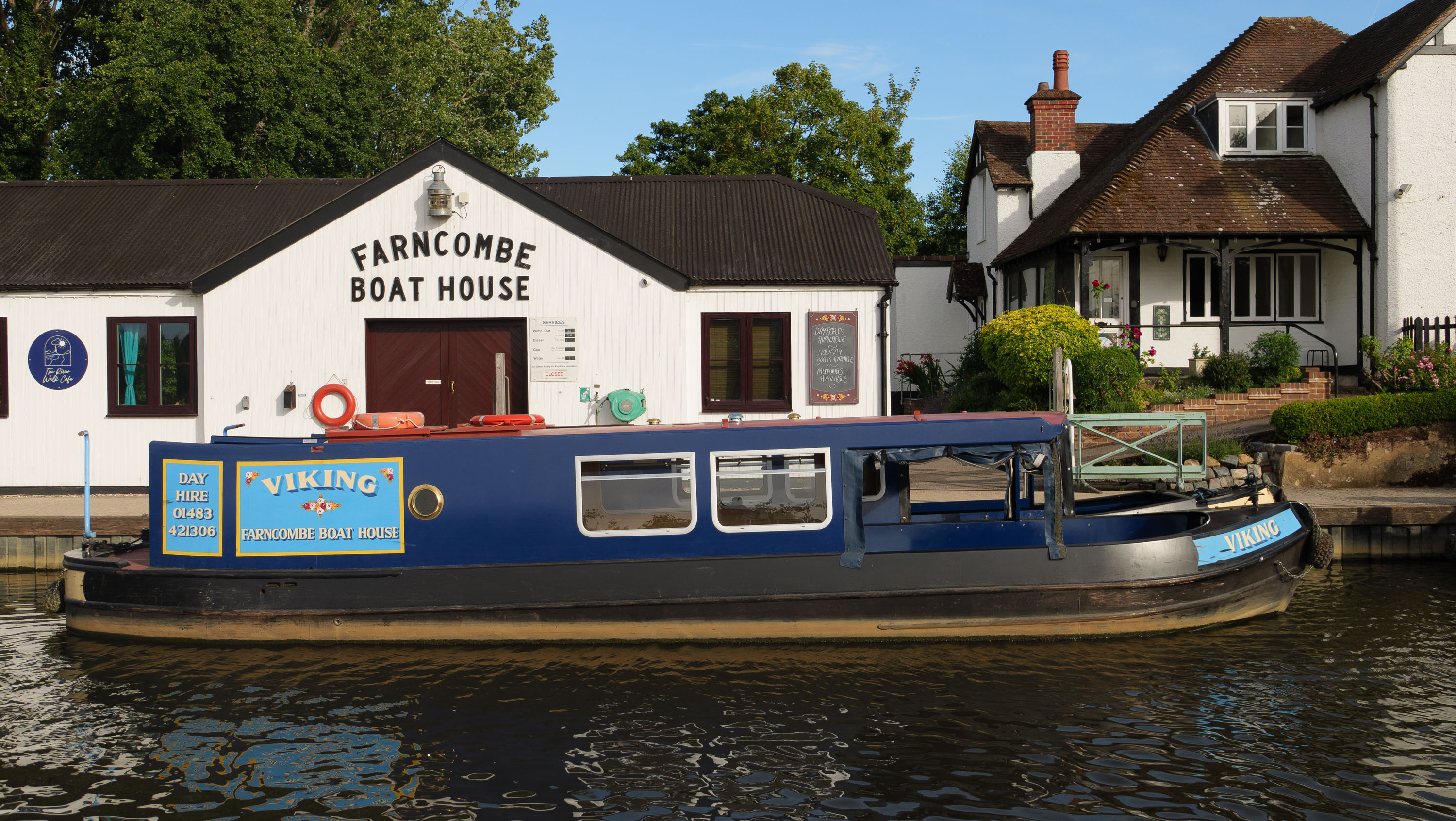

And the comparisons with the Fujifilm X100VI. For both cameras, I set the color profile to the standard setting, but in reality I would be playing around with various looks and making selective exposure adjustments.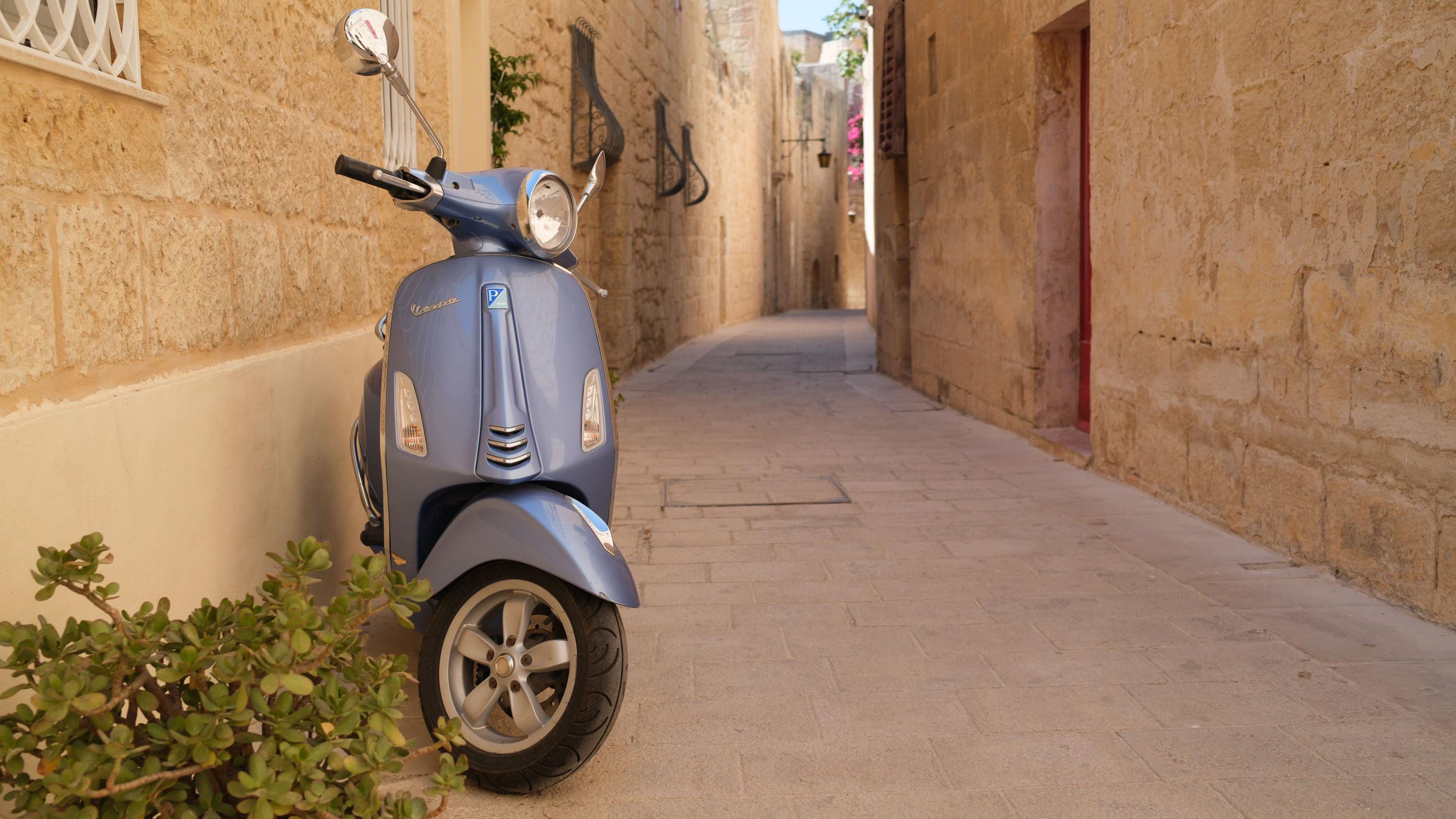
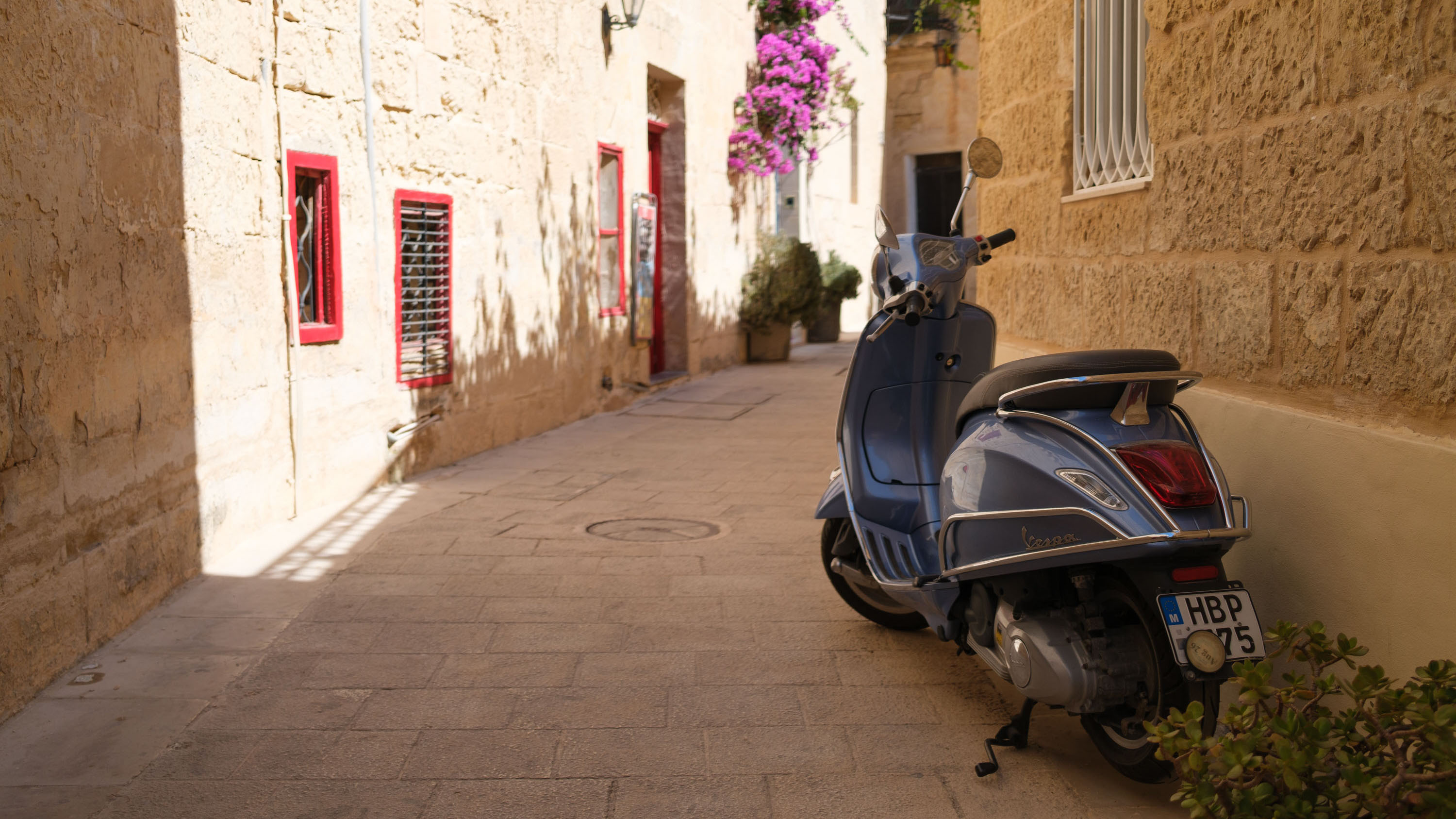
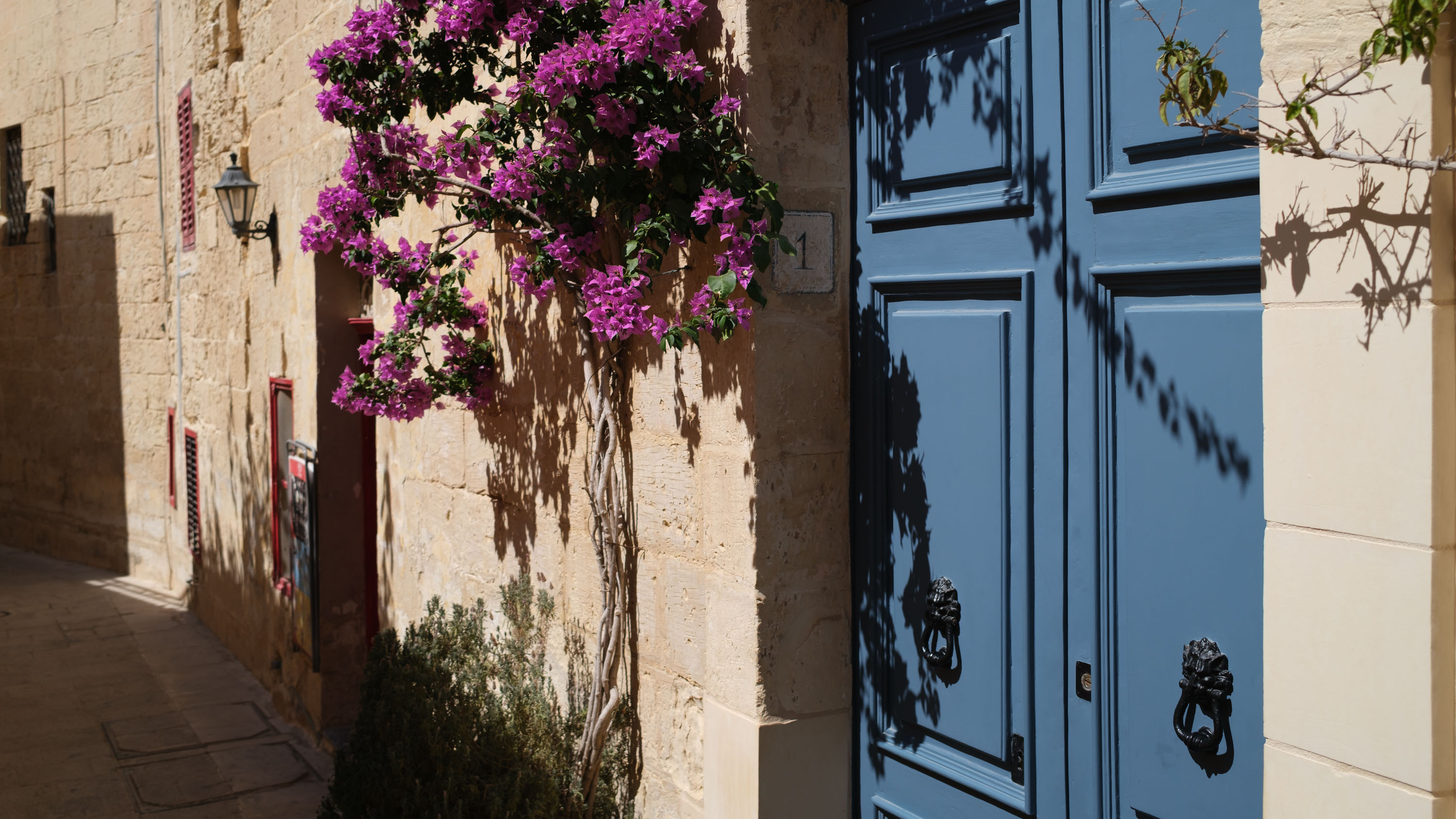


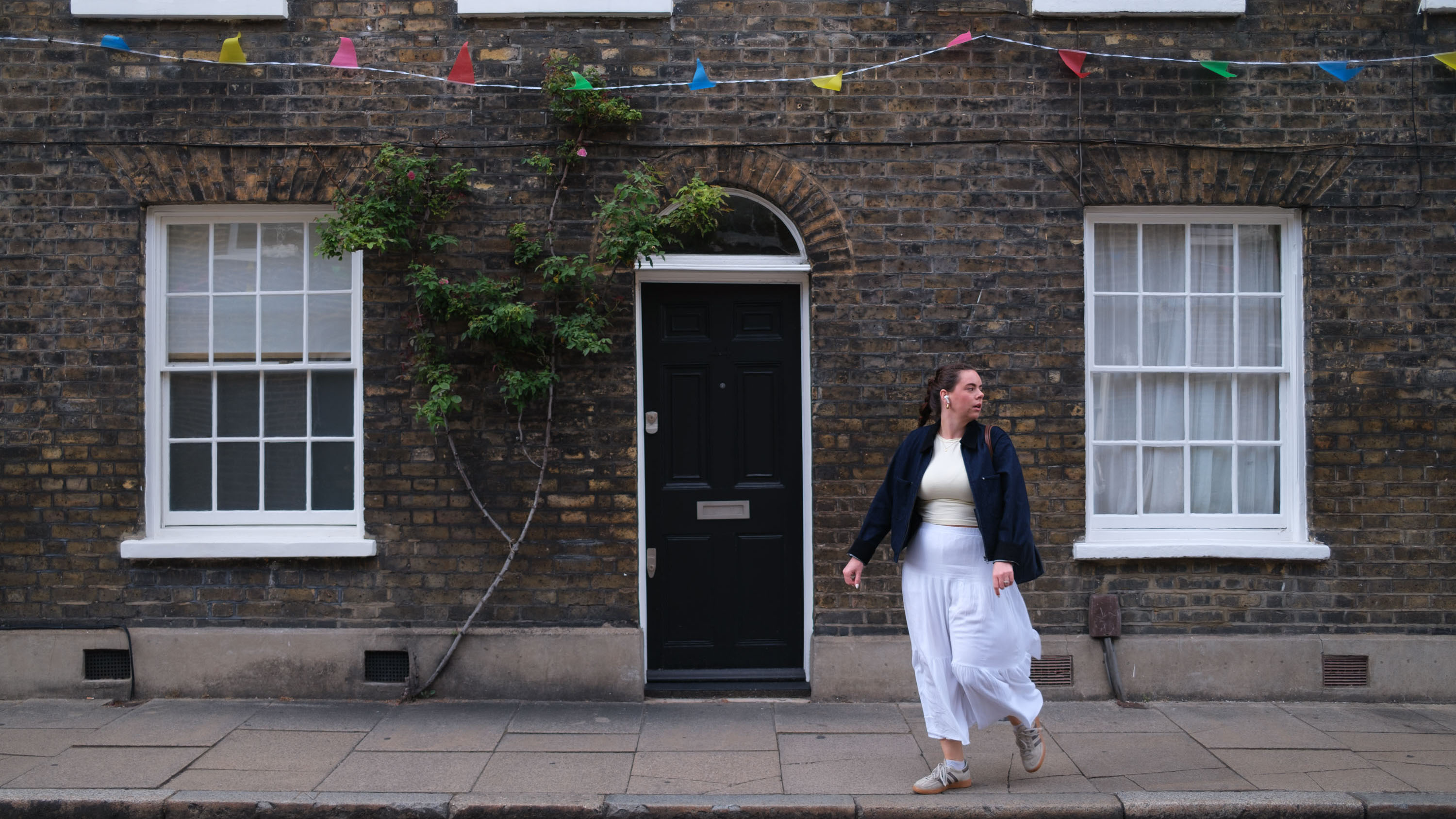

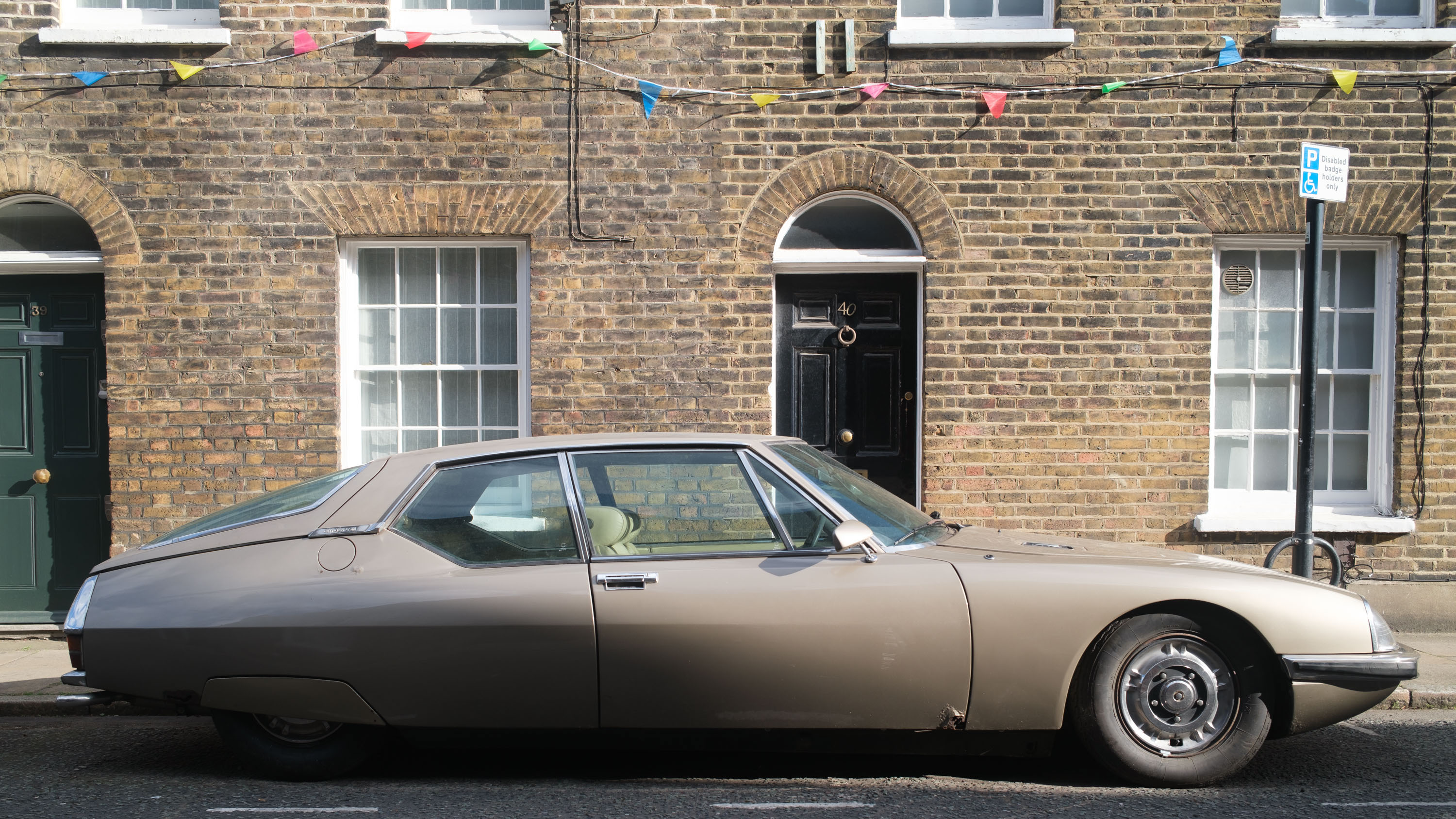
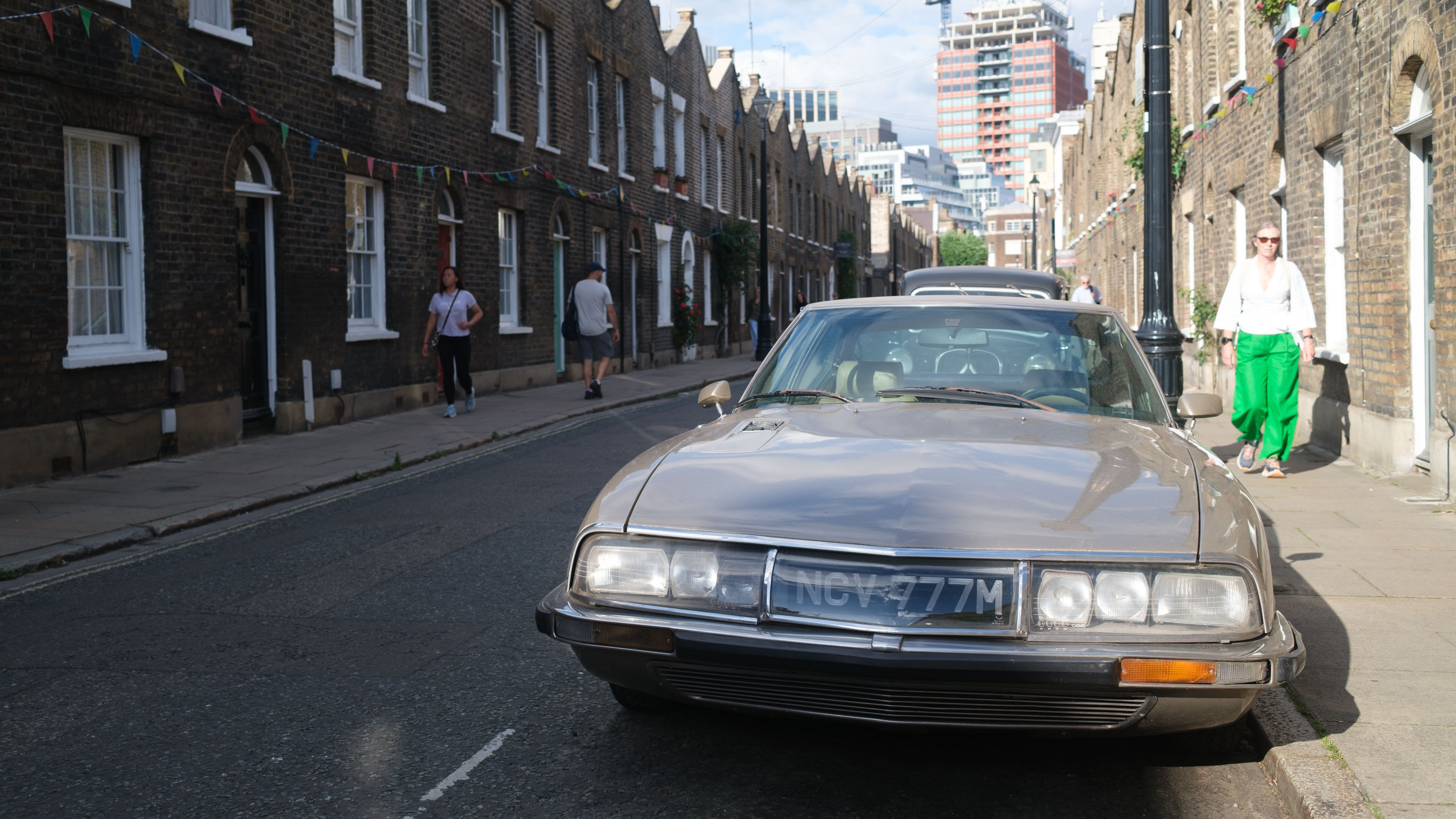
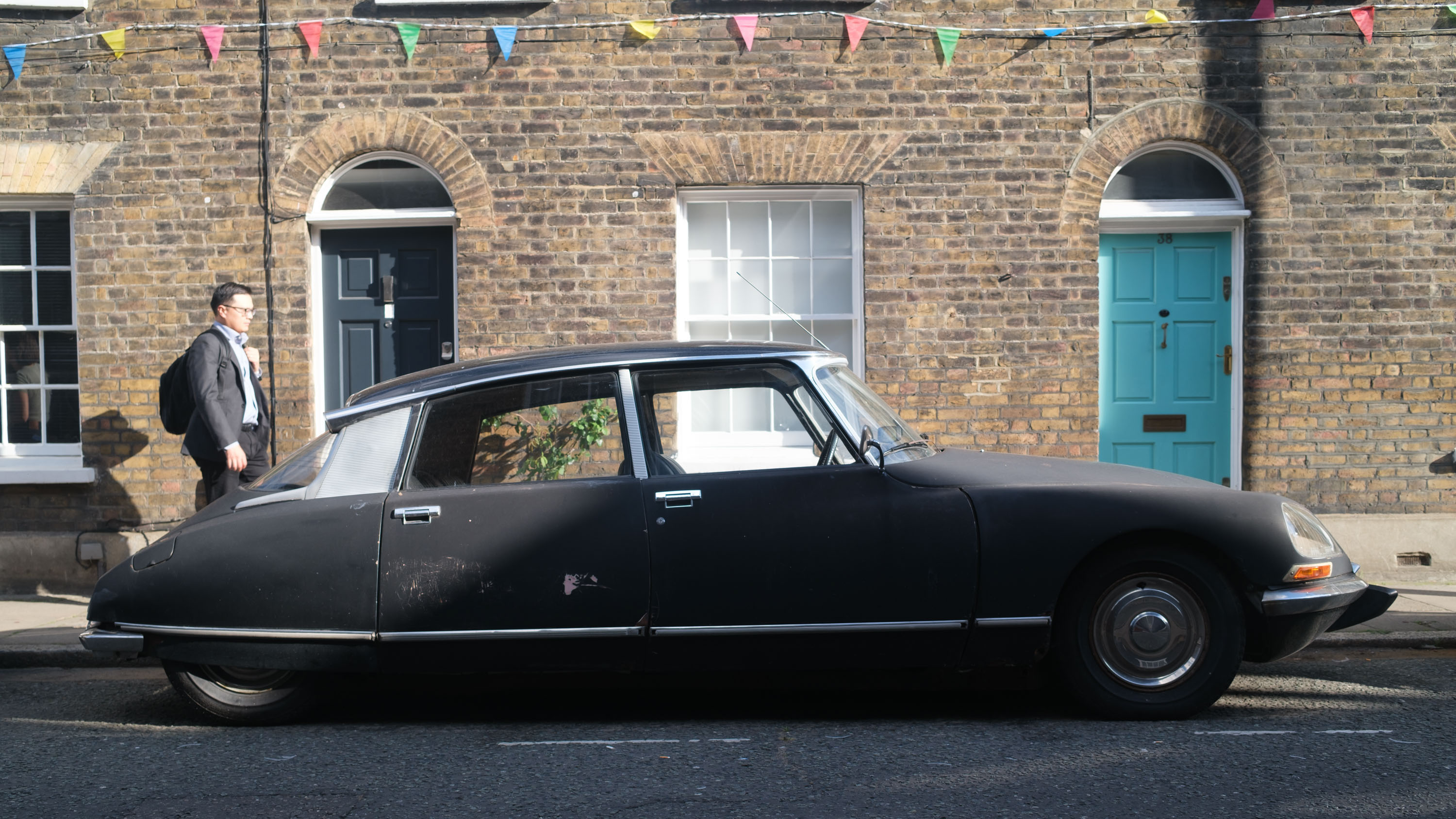






How a camera handles is a major part of the equation — but the resulting images need to be easy on the eye too.
With wildly different sensor sizes, number of pixels, and types of lens, it's tough to pick one camera over the other, plus some assumptions about image quality need to go out the window.
For one, despite having the smaller sensor, the Lumix L10 actually has bigger pixels and light-gathering potential, so don't assume that the X100VI is better in low light. Also, beyond sensor size and pixels, the Lumix L10's autofocus is overall more reliable, so you're more likely to get a sharp image in the first place, depending on the scenario and camera settings.
But for direct comparisons, as in matching the X100VI's 35mm f/2 lens with the Lumix L10 as close as possible (35mm f/2.3), I think what pleased me the most overall is the X100VI's superior control over depth of field.
When I took street portraits at 35mm, the X100VI's images were easier on the eye. I also liked having 40MP to play with and the greater level of detail in the pictures. The X100VI was also less susceptible to lens flare.
That said, the Lumix L10 has that zoom lens versatility, and when set to 75mm and f/2.8, it is very capable of shallow depth of field portraiture too, with a greater compression effect that I prefer.
As for color, I didn't have a strong enough feeling scouring my images to recommend one camera over the other, though the Lumix L10 Real Time LUTs profiles are more versatile.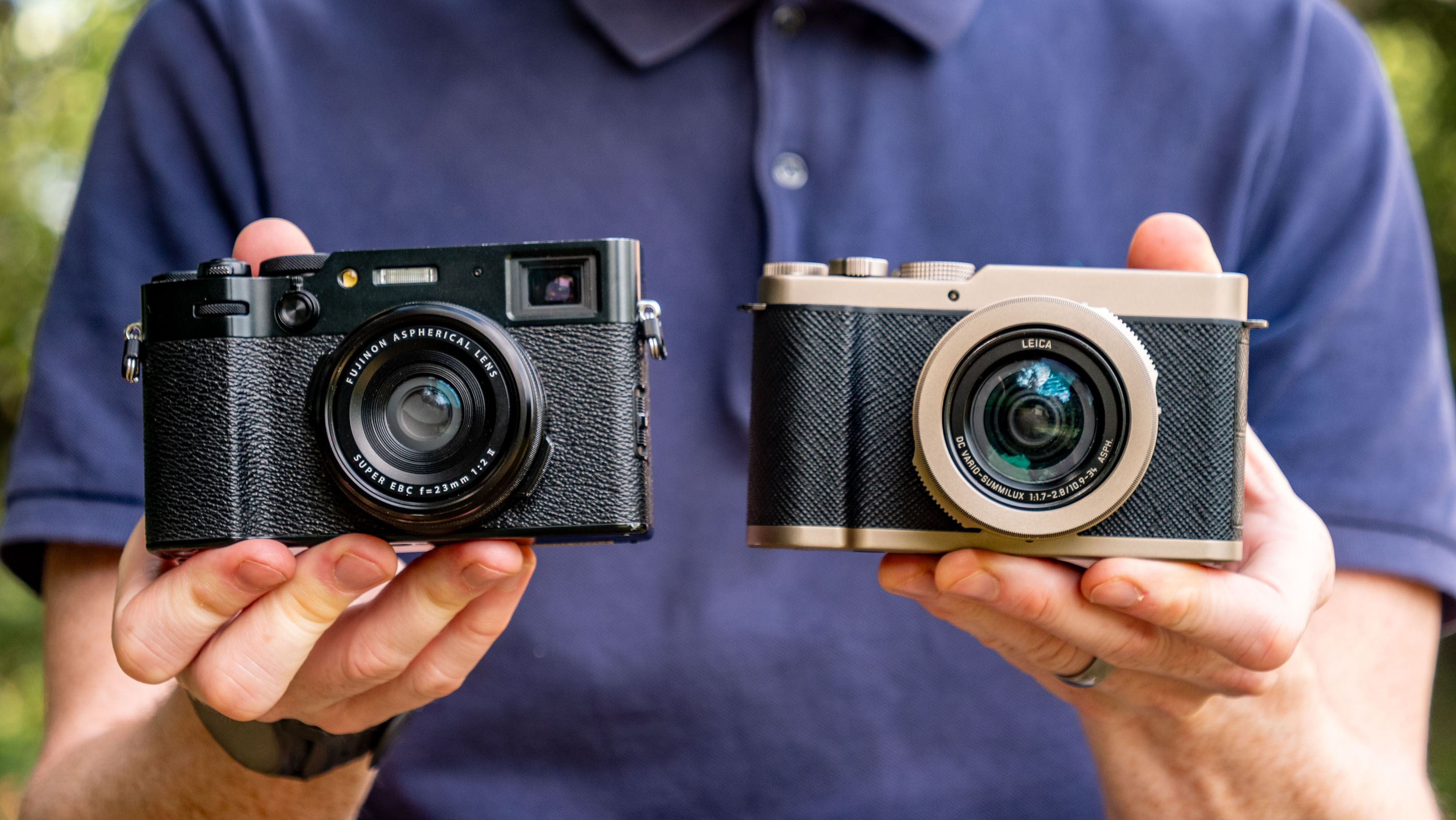
Conclusion
If you're considering the Lumix L10 or the Fujifilm X100VI, then the choice is tough, and, in truth, you'll be happy with either model! They are two of the best premium compact cameras, with a string of unique advantages over the other.
For me, however, the decision goes beyond specifications and features, and to an underlying feeling that I would get more joy in using the X100VI regularly than I would with the Lumix L10, even though the L10 is more practical. My head says Panasonic Lumix L10, my heart says Fujifilm X100VI.
Share
What's Your Reaction?
 Like
0
Like
0
 Dislike
0
Dislike
0
 Love
0
Love
0
 Funny
0
Funny
0
 Angry
0
Angry
0
 Sad
0
Sad
0
 Wow
0
Wow
0