I read Careless People, the Meta tell-all — and it made me want the chapter Sarah Wynn-Williams couldn’t write
Reading Careless People helped me understand how Facebook’s internal culture may have allowed Mark Zuckerberg’s strange metaverse obsession to become Meta’s defining idea.

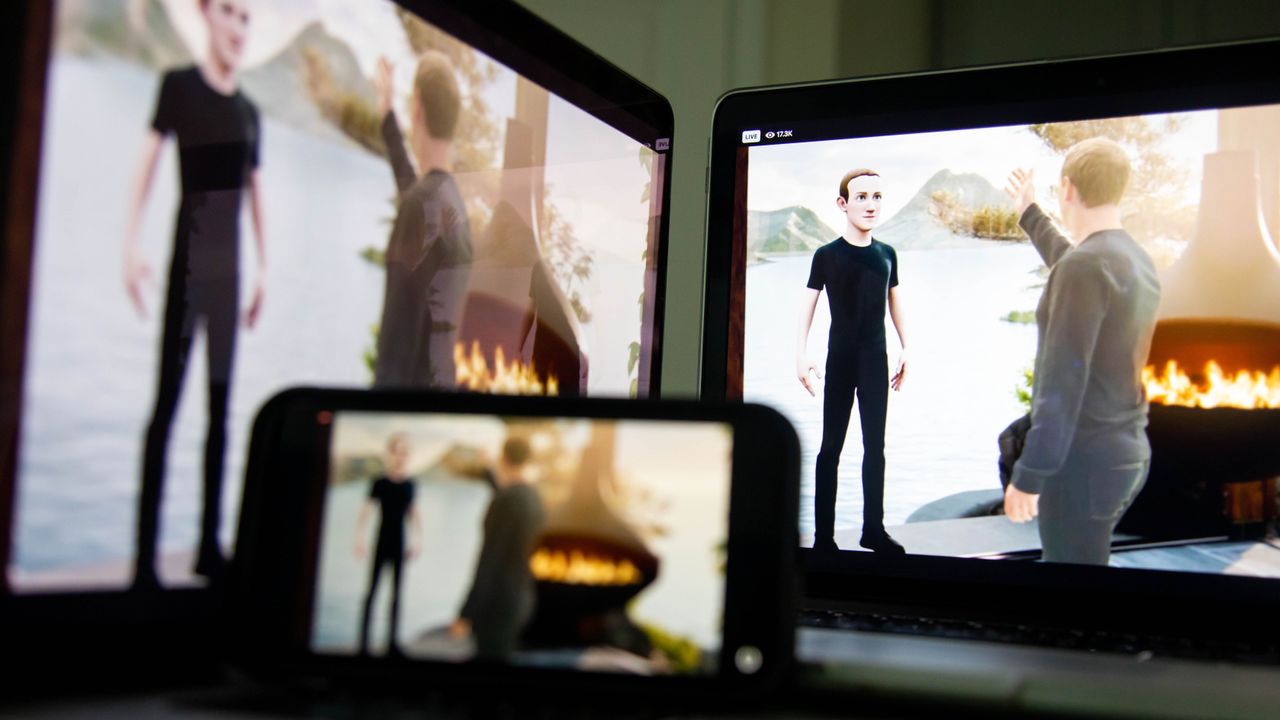
Do you remember the metaverse? If you don’t, don’t worry. In 2026, four years into the AI revolution that’s changing the world forever, you could easily be forgiven for thinking it was a strange fever dream you had back in 2021. You might even have odd memories of seeing a blocky version of Mark Zuckerberg floating about in a Minecraft-inspired hellscape, conducting meetings with people who could walk with no legs, while the real Mark Zuckerberg was looking at the whole thing through VR goggles. At least, that’s my memory of it.
I could be suffering from the Mandela effect, but I distinctly remember something off about the legs. They fixed that in a later version, but that’s my overriding memory — no legs. Oh, and Mark Zuckerberg assuring us that this was the future. He’d spent tens of billions of dollars on it, even changing the company name from Facebook to Meta, just to let us know he was really serious about the metaverse. Even if the legs didn’t work.
The problem was, it looked laughable. While everything in the technology world to do with games and special effects was moving in the direction of hyper-realism, the metaverse was moving in the opposite direction, towards the sort of blocky graphics that small children enjoy. But even that didn’t really answer the most basic question about the metaverse. Why? What possible advantage was there for us all to meet in a VR space where clunky avatars of ourselves could interact… badly?
Then AI happened and Meta abruptly forgot about the metaverse and pivoted towards the mission of putting personal superintelligence in all our hands instead, which sounds as terrifying and dangerous as it actually is, but we are where we are. At least when Zuckerberg was obsessed with the metaverse, we could ignore him. It existed somewhere “over there”, in Meta-land, where we could let him get on with it. Now he’s right up in our business again.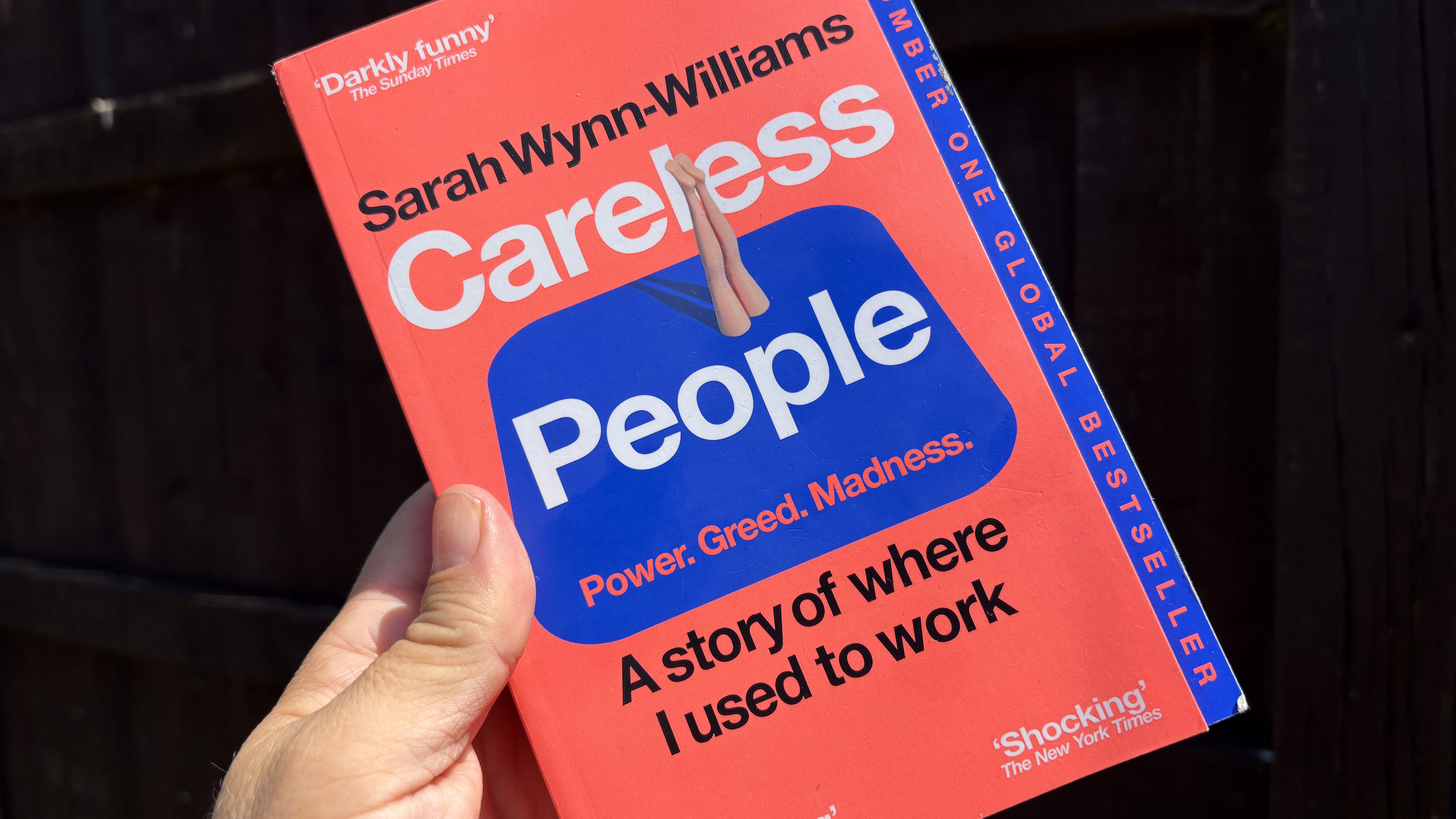
The rise of a bad idea
I’ve always been fascinated by how Zuckerberg got into the metaverse and why he became so obsessed with it. The origins of the metaverse go way back. In March 2014, Facebook bought Oculus, the VR company, for about $2 billion. This was where his passion for VR started. Think of it as the seed, not the full obsession.
By July 2021, Zuckerberg gave a long interview to Casey Newton at The Verge about Facebook becoming a “metaverse company” and described it as an “embodied internet”. Then, on October 28, 2021, his obsession became the company identity. Zuckerberg announced that Facebook the company was becoming Meta at Connect 2021, saying the new company brand would focus on bringing the metaverse to life.
I can see the logic. As a business strategy, that made sense. As a product ordinary people were expected to use, it was much harder to understand. Zuckerberg did not want Meta/Facebook to be trapped inside someone else’s platform again. Facebook had won on social, but on mobile it remained dependent on Apple and Google for distribution, privacy rules, app-store policies and hardware. The metaverse looked like a chance to own the next operating system of social life: hardware, avatars, identity, payments, meetings, gaming, work, commerce — the whole stack. In his 2021 founder’s letter, he framed the metaverse as the “next chapter of the internet” and said Meta would become “metaverse-first, not Facebook-first.”
Facebook had obviously had its problems — it was scandal-ridden. It had let advertisers target vulnerable teenagers, helped fake news spread, and enabled the spread of hate speech linked to atrocities in Myanmar. Perhaps Zuckerberg was looking for a way out of Facebook, and the metaverse offered that.
What I still didn’t understand was why he didn’t see what the rest of us saw — that it looked terrible and offered no real benefit to users. Then I read Sarah Wynn-Williams’ tell-all book about Facebook, Careless People, and it all started to make sense.
To say the book made my jaw hit the floor on several occasions would be an understatement. It’s an absolute page-turner, and your reactions grow from mild amusement to shock, then disbelief, then absolute outrage the further through the book you get. I’m aware of the criticisms of Wynn-Williams: that it is a book written by a disgruntled employee, and that she dodges a lot of personal responsibility for her part in the various misdeeds of the company. However, in another perfect example of the Streisand effect, the fact that Meta obtained a legal order in the United States to prevent her from saying anything negative about the company — at all — made me want to pick it up, and I’m glad I did.
Because now I get it — Zuckerberg seems to have spent years in an environment where too few people were willing to tell him when his ideas weren’t good. According to Wynn-Williams, he was surrounded by sycophants. When he had bad ideas, like the ill-fated Internet.org, he wouldn’t let them go and persisted with them, even when they were obviously going to fail. The people around him enabled him because he was simply too powerful. They even let him win at the board games he liked to play with them at his house or on his jet, and — crucially — he didn’t notice that they were letting him win. I can imagine that in that environment, nobody inside Meta would want to tell Zuckerberg that his metaverse was the equivalent of the emperor’s new clothes, especially if they wouldn’t even risk beating him at Settlers of Catan.
Wynn-Williams only mentions the metaverse in her epilogue. It happened after she was brutally fired from Facebook. Perhaps selfishly, I wish she’d been there for the metaverse period, because I would love to read firsthand accounts of how and why Zuckerberg persisted with such an obviously bad idea.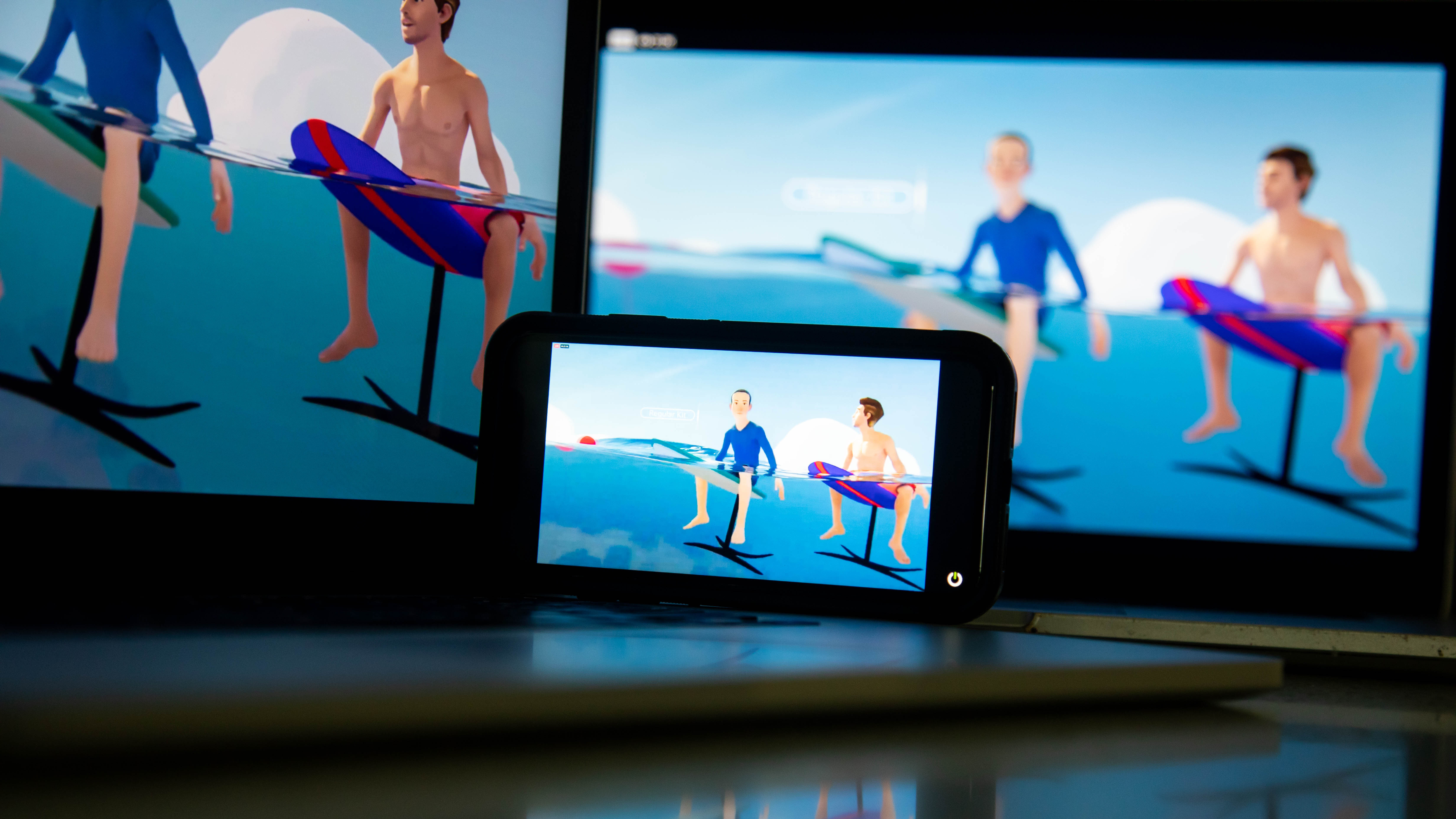
The fall of the metaverse
Maybe I’m being too harsh on Zuckerberg. The metaverse graphics did get better over time and Apple ventured slightly into the same territory with its Apple Vision Pro, even after the metaverse had turned into a smoldering wasteland. The fact is, people don’t enjoy wearing VR goggles for extended periods of time, and for normal people, VR lacks that one killer app. There doesn’t seem to be anything you can do in a VR space that you can’t do elsewhere much more easily.
The metaverse didn’t really die with a bang, but with a whimper. It faded through layoffs, spending cuts and the AI pivot. If I had to put a date on it, I’d say early 2023 was when Meta’s narrative moved on. In February and March 2023, Zuckerberg started talking about Meta’s “year of efficiency” and announced huge layoffs and cost-cutting. OpenAI had launched ChatGPT in November 2022, and by early 2023, generative AI had swallowed the oxygen that ideas like the metaverse need to survive. Every tech company was talking about AI now, not virtual offices and avatar legs.
The metaverse was over. We all forgot about it and moved on.
I’m glad I read Wynn-Williams’ book, because now I can understand how Facebook let the metaverse happen. And if there’s one thing I learned from reading it, it’s that money and power can bring you a lot of things, but common sense requires neither.
Share
What's Your Reaction?
 Like
0
Like
0
 Dislike
0
Dislike
0
 Love
0
Love
0
 Funny
0
Funny
0
 Angry
0
Angry
0
 Sad
0
Sad
0
 Wow
0
Wow
0