Etzioni on AI: What the World Cup tells us about the best roles for humans and machines
The 2026 World Cup has added AI and computer vision to the officiating crew — a sensor inside the ball, semi-automated offside calls, and 16 tracking cameras per stadium. Oren Etzioni explains how the systems work, what they deliberately leave to human referees, and what it says about automation more broadly. Read More



In soccer, a single blown offside call can decide who advances and who goes home. But what can you do? Referees are only human.
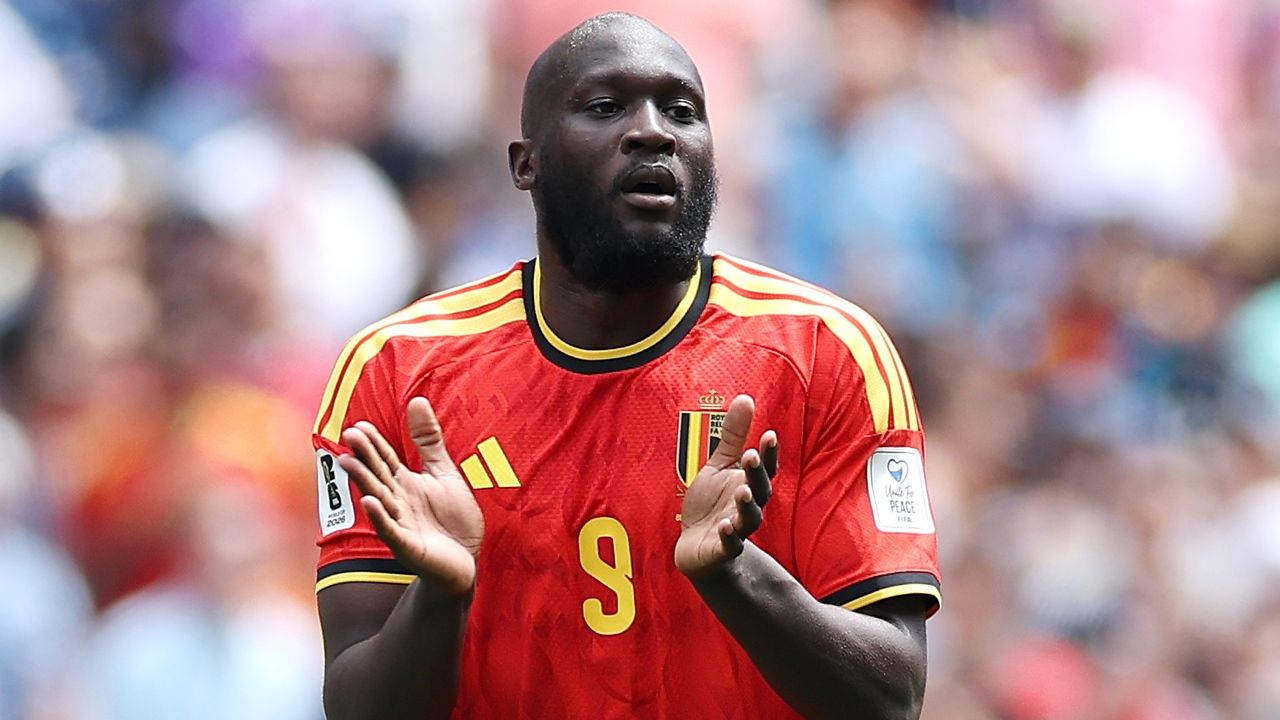
Well, the 2026 World Cup has put computer vision and AI on the officiating crew: video review, a sensor inside the ball, semi-automated offside calls, cameras bolted into every rafter. And the tech has already decided a goal.
On June 15 in Monterrey, Sweden were busy thrashing Tunisia when Mattias Svanberg came off the bench and scored with his first touch. The linesman’s flag shot up. Offside. The goal was gone, until it wasn’t. Video review handed it back, because the ball itself had registered a touch the human eye missed: a faint flick off Alexander Isak that reset the play and left Svanberg onside. Yet the cameras missed the flick. The sensor inside the ball caught it.
How does a ball overrule a linesman? Start with what FIFA has actually wired into the tournament. Sony’s Hawk-Eye underpins the video review, the goal-line decisions, the semi-automated offside system, and a “last touch” feature that settles who knocked the ball out for a corner.
Chenliang Xu, a computer-vision researcher at the University of Rochester, told the university’s news service it’s “a very sophisticated system that glues together multiple computer vision techniques.” Underneath, that means calibrated cameras, models trained to spot the ball and the players and their poses, and a thin layer of logic that decides when a human should take a look.
Player and ball tracking run on neural networks trained on millions of labeled images, the same lineage of models behind face unlock and the perception stack in a self-driving car.
Xu compares the training to “teaching a child how to recognize things”: feed a model enough examples and it learns what matters. Sixteen cameras ring each stadium, because a single angle can be blocked or fooled, and many angles can be triangulated into a three-dimensional picture of the play. It works the way your eyes do.
“If you block one of your eyes,” Xu says, “it’s very hard to perceive depth.” Two eyes recover what one eye cannot. So do 16 cameras. The reconstruction lands in seconds, and a person signs off.
How is it so fast? The system is narrow. According to FIFA, the cameras throw off more than 150 million tracking points per match, more data than any all-purpose model could process in real time. The networks are tuned for one job, recognizing players and a ball, and stripped of everything else, which is precisely what makes them quick.
The narrowness is also a confession. The system measures the one thing a camera and a sensor can measure cleanly, a body’s position at the instant the ball is struck, and it stays out of the call that starts most arguments: whether an offside player was actually interfering with play. The machine gets the measurement. The referee keeps the judgment. A good reminder that currently AI is Assistive Intelligence, not more.
But the quietest AI at this World Cup isn’t on the broadcast.
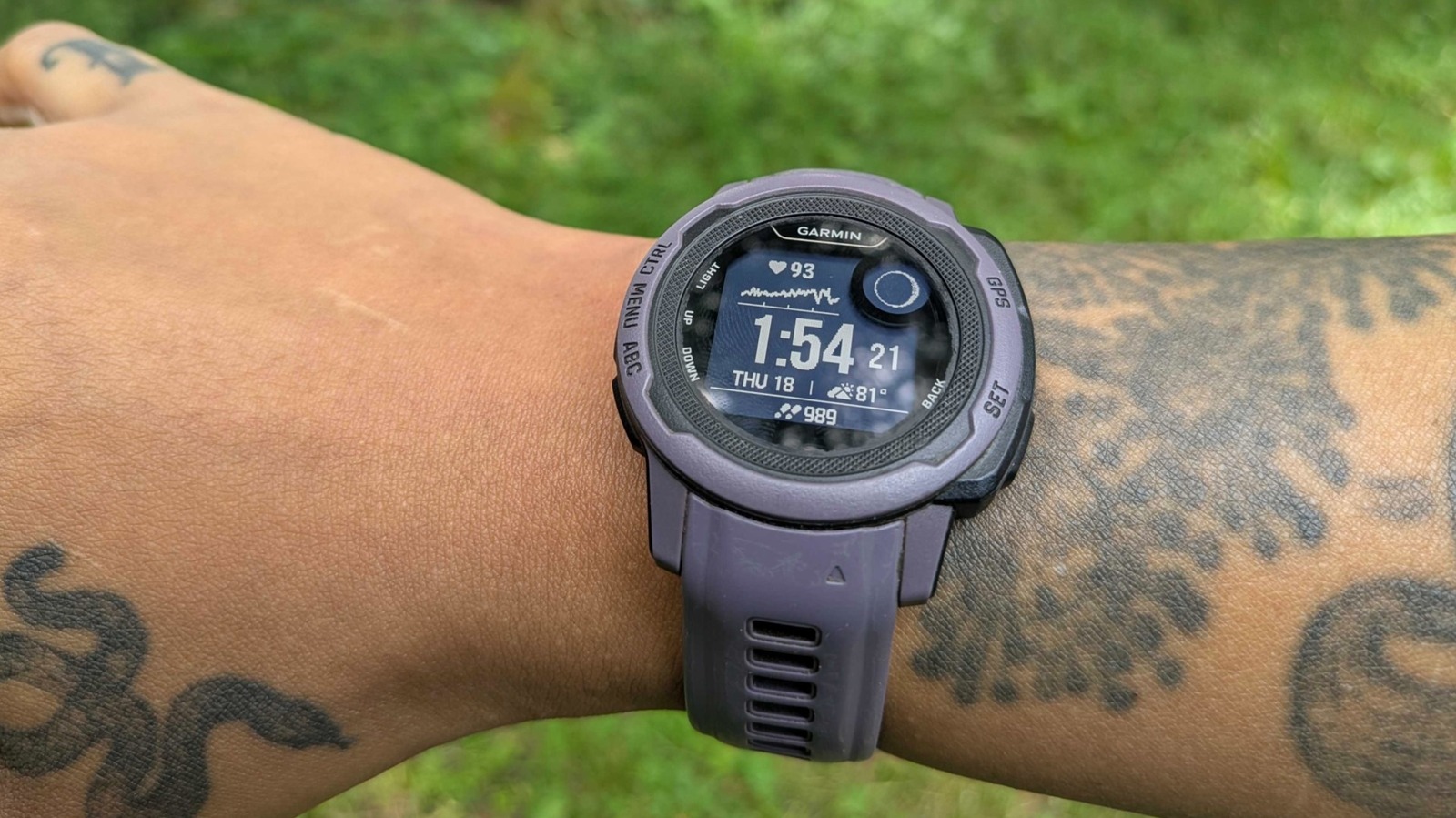
A torn hamstring can end a player’s World Cup, and a contender’s with it. Long before kickoff, clubs pour the data from GPS vests and motion sensors, the gear sold by firms like Catapult and Zone7, into models that flag when a player’s accumulated workload is bending toward injury, sometimes before the athlete feels a thing. It produces no spike on a graphic and no slow-motion replay. It produces a number that tells a coach to rest a hamstring for a day.
The cameras get the highlight, but the hamstring monitor keeps the players from being, well, hamstrung.
Share
What's Your Reaction?
 Like
0
Like
0
 Dislike
0
Dislike
0
 Love
0
Love
0
 Funny
0
Funny
0
 Angry
0
Angry
0
 Sad
0
Sad
0
 Wow
0
Wow
0